From Repost to Legal Risk: How Brands Should Handle UGC Copyright
Reposting UGC without permission is a legal risk most brands don't realize they're taking. Learn what rights you need, how to ask, and when a creator's post becomes your ad.
Published:

Read Time:

3 min

Written by:
Fawwaz
Trend Research and Copywriter
UGC ISN'T FREE TO USE.
permission is not optional, but a real protection for your brand's copyright. beware of public backlash by implementing Copyright Law.
UGC ISN'T FREE TO USE.
permission is not optional, but a real protection for your brand's copyright. beware of public backlash by implementing Copyright Law.
UGC ISN'T FREE TO USE.
permission is not optional, but a real protection for your brand's copyright. beware of public backlash by implementing Copyright Law.
As the recent growth of the creator economy, copyright law is becoming a hidden trap that catches hundreds of brands off guard.
Here is the definitive playbook on who actually owns UGC, the critical difference between paid and unpaid content, and exactly how your brand should handle usage rights to stay legally safe.
⚖️ The Golden Rule: Who Owns UGC Copyright?
The law is incredibly simple: The creator owns the content. Even if a user makes a video entirely about your product, praises your brand, and tags your official account, they retain 100% of the copyright. Public visibility does not equal permission.
Creators are more educated on their rights than ever before, and a brand caught stealing content will quickly find itself the subject of a viral "call-out" video, destroying consumer trust.
🤝 Paid vs. Unpaid UGC: Knowing the Boundaries
To handle copyright safely, brands must understand the two distinct categories of UGC and the usage rights associated with them.

1. Unpaid (Organic) UGC
This is the holy grail of marketing, where a real customer posts a video simply because they love your product.
The Risk | Because no money exchanged hands, brands often feel entitled to repost it. |
|---|---|
The Rule | You still need permission. At a bare minimum, you must secure Organic Usage Rights. This allows you to repost the video on your brand's native social media feeds. It does not give you permission to place paid ad spend behind the video or on your website's homepage. |
2. Paid UGC
This is content commissioned by the brand from a specialized UGC creator.
The Risk | Brands often assume that because they paid a flat fee for the video, they own it forever. |
|---|---|
The Rule | You only own what is written in the contract. Paid Ad Rights are usually sold in time increments. If you run an ad past the expiration date, the creator can legally demand additional compensation. If you want to use the video forever, you must negotiate and pay a premium for In-Perpetuity Rights. |
💬 The "Safe" Reaction: Why Brands Are Flooding the Comments
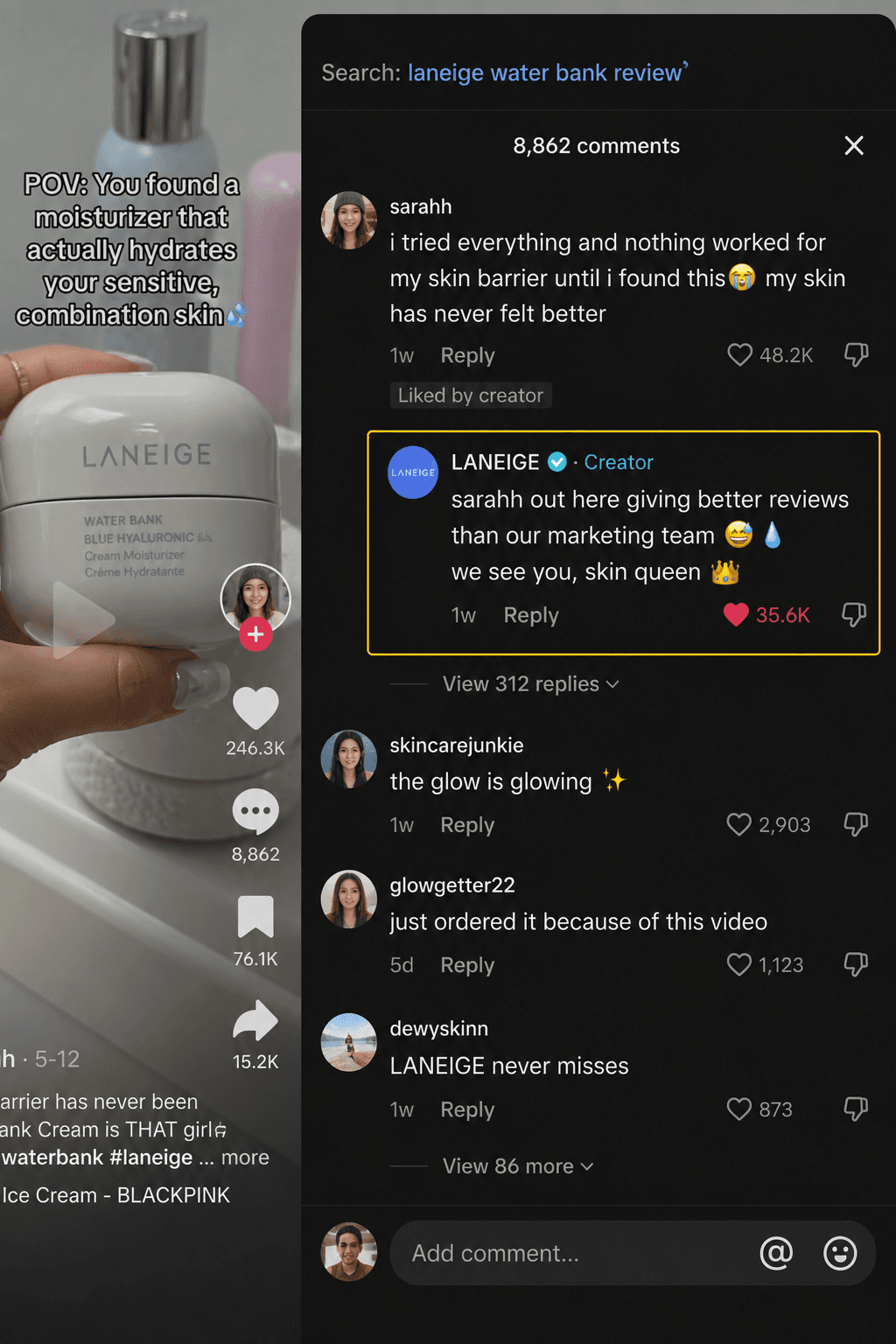
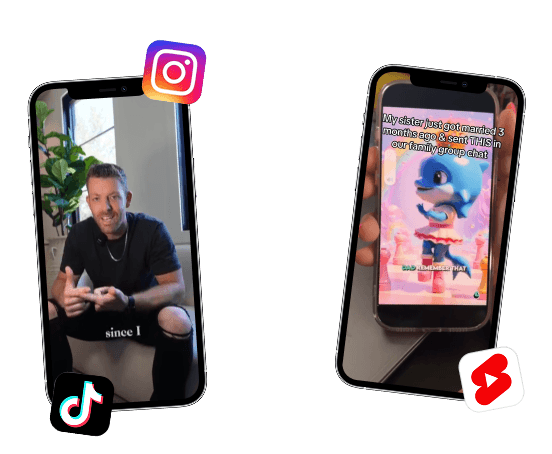
So, what should a brand do when they spot a viral, unpaid UGC video about their product? Before you DM the creator asking for rights, look at the brilliant strategy modern social media managers are using: The Comment Section Hijack.
Currently, a massive trend is emerging where official brand accounts jump into the comments of trending UGC videos
Instead of immediately asking for the video, the brand acts like a regular user. They leave a funny, highly relatable, or self-aware comment.
Why this works: It is 100% legally safe.
By commenting, the brand gains massive organic visibility and impressions from everyone who reads the comment section. It humanizes the brand, builds community goodwill, and establishes a friendly rapport with the creator before the brand slips into their DMs to ask for official usage rights.
📋 The Brand Playbook: What to Do Before You Repost
When you are finally ready to take a piece of content from a user's feed and use it for your own marketing, follow this strict 3-step compliance playbook:
Create a "Permission Script": Never download a video in silence. Send a clear, friendly DM or comment. Example: "We absolutely love this video! We’d love to feature it organically on our Instagram feed. Do we have your permission? Reply YES to agree."
Define the Scope: If you plan to use the video for a paid Meta ad, you must state that explicitly. Do not ask for "organic" permission and then secretly run it as a paid ad. Honesty prevents lawsuits.
Document Everything: The internet moves fast, and verbal agreements don't hold up. Always take screenshots of the creator's written consent, log the date, and track any expiration timelines in a centralized team database.
Protect and Scale Your Brand with Masterhooks
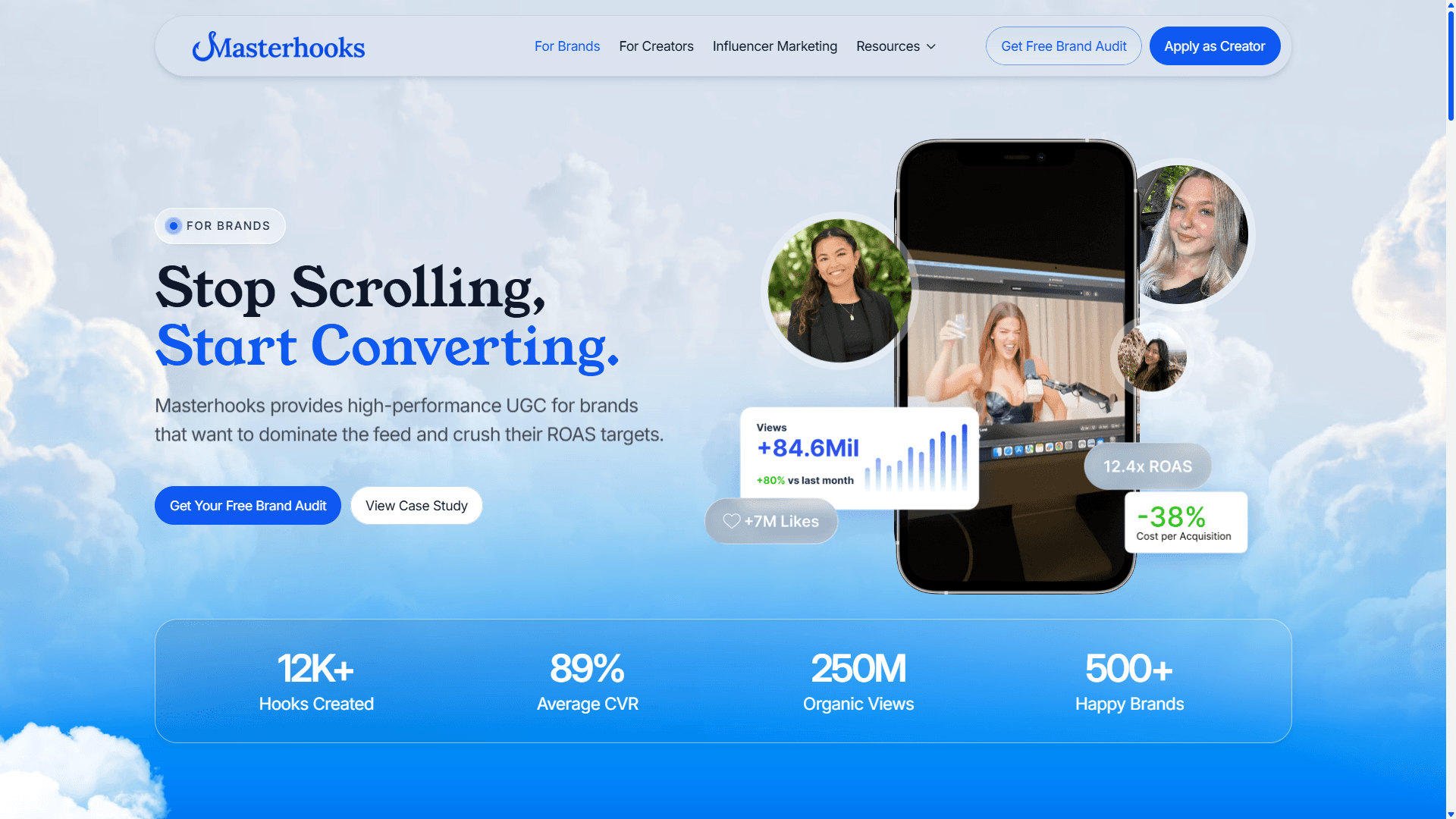
Managing usage rights, creator contracts, and licensing can quickly overwhelm in-house teams, and even small mistakes can create legal and reputational risks.
Masterhooks simplifies the process by handling the full UGC pipeline, from creator sourcing and scripting to licensing and compliance, so every asset is legally cleared, conversion-focused, and ready to scale safely.
No more risking your brand with Copyright Law

No more risking your brand with Copyright Law
As the recent growth of the creator economy, copyright law is becoming a hidden trap that catches hundreds of brands off guard.
Here is the definitive playbook on who actually owns UGC, the critical difference between paid and unpaid content, and exactly how your brand should handle usage rights to stay legally safe.
⚖️ The Golden Rule: Who Owns UGC Copyright?
The law is incredibly simple: The creator owns the content. Even if a user makes a video entirely about your product, praises your brand, and tags your official account, they retain 100% of the copyright. Public visibility does not equal permission.
Creators are more educated on their rights than ever before, and a brand caught stealing content will quickly find itself the subject of a viral "call-out" video, destroying consumer trust.
🤝 Paid vs. Unpaid UGC: Knowing the Boundaries
To handle copyright safely, brands must understand the two distinct categories of UGC and the usage rights associated with them.
1. Unpaid (Organic) UGC
This is the holy grail of marketing, where a real customer posts a video simply because they love your product.
The Risk | Because no money exchanged hands, brands often feel entitled to repost it. |
|---|---|
The Rule | You still need permission. At a bare minimum, you must secure Organic Usage Rights. This allows you to repost the video on your brand's native social media feeds. It does not give you permission to place paid ad spend behind the video or on your website's homepage. |
2. Paid UGC
This is content commissioned by the brand from a specialized UGC creator.
The Risk | Brands often assume that because they paid a flat fee for the video, they own it forever. |
|---|---|
The Rule | You only own what is written in the contract. Paid Ad Rights are usually sold in time increments. If you run an ad past the expiration date, the creator can legally demand additional compensation. If you want to use the video forever, you must negotiate and pay a premium for In-Perpetuity Rights. |
💬 The "Safe" Reaction: Why Brands Are Flooding the Comments
So, what should a brand do when they spot a viral, unpaid UGC video about their product? Before you DM the creator asking for rights, look at the brilliant strategy modern social media managers are using: The Comment Section Hijack.
Currently, a massive trend is emerging where official brand accounts jump into the comments of trending UGC videos
Instead of immediately asking for the video, the brand acts like a regular user. They leave a funny, highly relatable, or self-aware comment.
Why this works: It is 100% legally safe.
By commenting, the brand gains massive organic visibility and impressions from everyone who reads the comment section. It humanizes the brand, builds community goodwill, and establishes a friendly rapport with the creator before the brand slips into their DMs to ask for official usage rights.
📋 The Brand Playbook: What to Do Before You Repost
When you are finally ready to take a piece of content from a user's feed and use it for your own marketing, follow this strict 3-step compliance playbook:
Create a "Permission Script": Never download a video in silence. Send a clear, friendly DM or comment. Example: "We absolutely love this video! We’d love to feature it organically on our Instagram feed. Do we have your permission? Reply YES to agree."
Define the Scope: If you plan to use the video for a paid Meta ad, you must state that explicitly. Do not ask for "organic" permission and then secretly run it as a paid ad. Honesty prevents lawsuits.
Document Everything: The internet moves fast, and verbal agreements don't hold up. Always take screenshots of the creator's written consent, log the date, and track any expiration timelines in a centralized team database.
Protect and Scale Your Brand with Masterhooks
Managing usage rights, creator contracts, and licensing can quickly overwhelm in-house teams, and even small mistakes can create legal and reputational risks.
Masterhooks simplifies the process by handling the full UGC pipeline, from creator sourcing and scripting to licensing and compliance, so every asset is legally cleared, conversion-focused, and ready to scale safely.
No more risking your brand with Copyright Law
Related Reading
Related Reading

UGC and Influencer Marketing Pricing Guide for Brands in 2026
4 min
|
UGC and Influencer Marketing Pricing Guide for Brands in 2026
Compare UGC rates, influencer fees, usage rights, and agency costs, with published pricing references and an example creator campaign budget for 2026.
4 min
|

How to Find the Right Influencer Marketing Agency for Your Brand (Without Wasting Budget)
6 min
|
How to Find the Right Influencer Marketing Agency for Your Brand (Without Wasting Budget)
Learn how to choose an influencer marketing agency using a practical scorecard, performance criteria, red flags, and pre-contract checks.
6 min
|

AI Video Ad Agencies: A Buyer's Guide for DTC Brands (2026)
4 min
|
AI Video Ad Agencies: A Buyer's Guide for DTC Brands (2026)
Compare AI video ad agency types, pricing, performance metrics, ownership rights, and seven questions DTC brands should ask before hiring.
4 min
|


Need help scaling?
Book a strategy call with our expert team to audit your current UGC setup.