



How Levi's, Beats, and Heinz Won the World Cup Without Paying FIFA a Single Dollar
How Levi's, Beats, and Heinz Won the World Cup Without Paying FIFA a Single Dollar
Levi's, Beats, and Heinz weren't FIFA World Cup sponsors. Yet they generated more attention than brands paying millions for sponsorship rights.
Published:

Read Time:

5 min

Written by:
Fawwaz
Trend Research and Copywriter
FIFA WORLD CUP OFFERING UP TO $200 M FOR SPONSORSHIP
The sponsorship deals offered brands exclusive rights to display their logos, run campaigns, and associate themselves with the ongoing tournament. But something unique happens, where some of the most talked-about brands are not official sponsors at all.
FIFA WORLD CUP OFFERING UP TO $200 M FOR SPONSORSHIP
The sponsorship deals offered brands exclusive rights to display their logos, run campaigns, and associate themselves with the ongoing tournament. But something unique happens, where some of the most talked-about brands are not official sponsors at all.
FIFA WORLD CUP OFFERING UP TO $200 M FOR SPONSORSHIP
The sponsorship deals offered brands exclusive rights to display their logos, run campaigns, and associate themselves with the ongoing tournament. But something unique happens, where some of the most talked-about brands are not official sponsors at all.
They are Levi’s, Beats by Dre, and Heinz, which none of them paid FIFA sponsorship fees, meaning none of them received official tournament branding rights. Yet somehow, they ended up generating massive attention online.
The reason has less to do with sponsorship and more to do with a concept marketers have been discussing for years: the Streisand Effect. When people try to hide, censor, or remove something, they often end up drawing even more attention to it.
This article will explore what happened surrounding FIFA’s branding restrictions and how this case can offer valuable lessons for brands without large advertising budgets.
What Actually Happened?
As part of FIFA World Cup operations, host venues must comply with what is commonly known as the “Clean Stadium Policy.”
The purpose of this policy is to ensure that only official FIFA partners are visible within tournament venues. As a result, existing branding inside the stadium often must be covered, removed, or temporarily concealed. Among the brands already present in the stadium prior to the 2026 FIFA World Cup that are affected include:
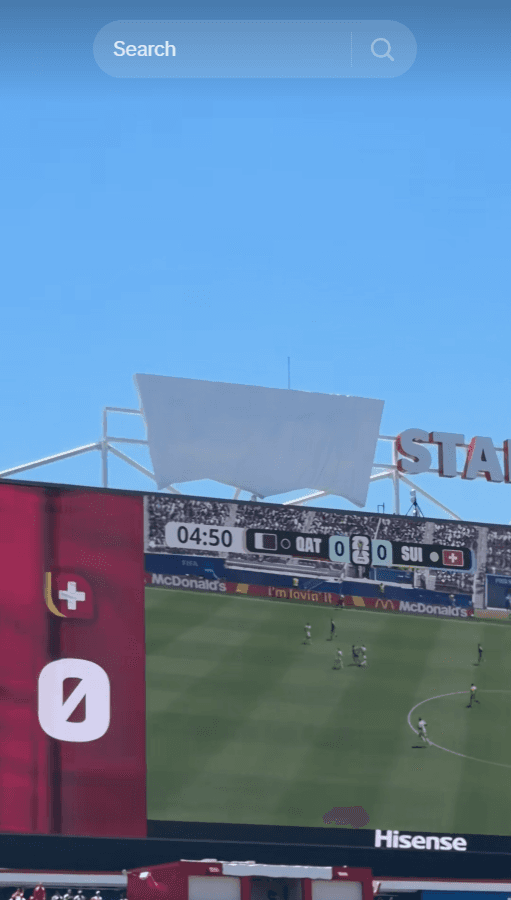
Levi’s branding at the stadium
The Beats by Dre logo visible on athletes’ gear

The Heinz logo on some of their products in the stadium pantry

Levi’s branding at the stadium
The Beats by Dre logo visible on athletes’ gear
The Heinz logo on some of their products in the stadium pantry
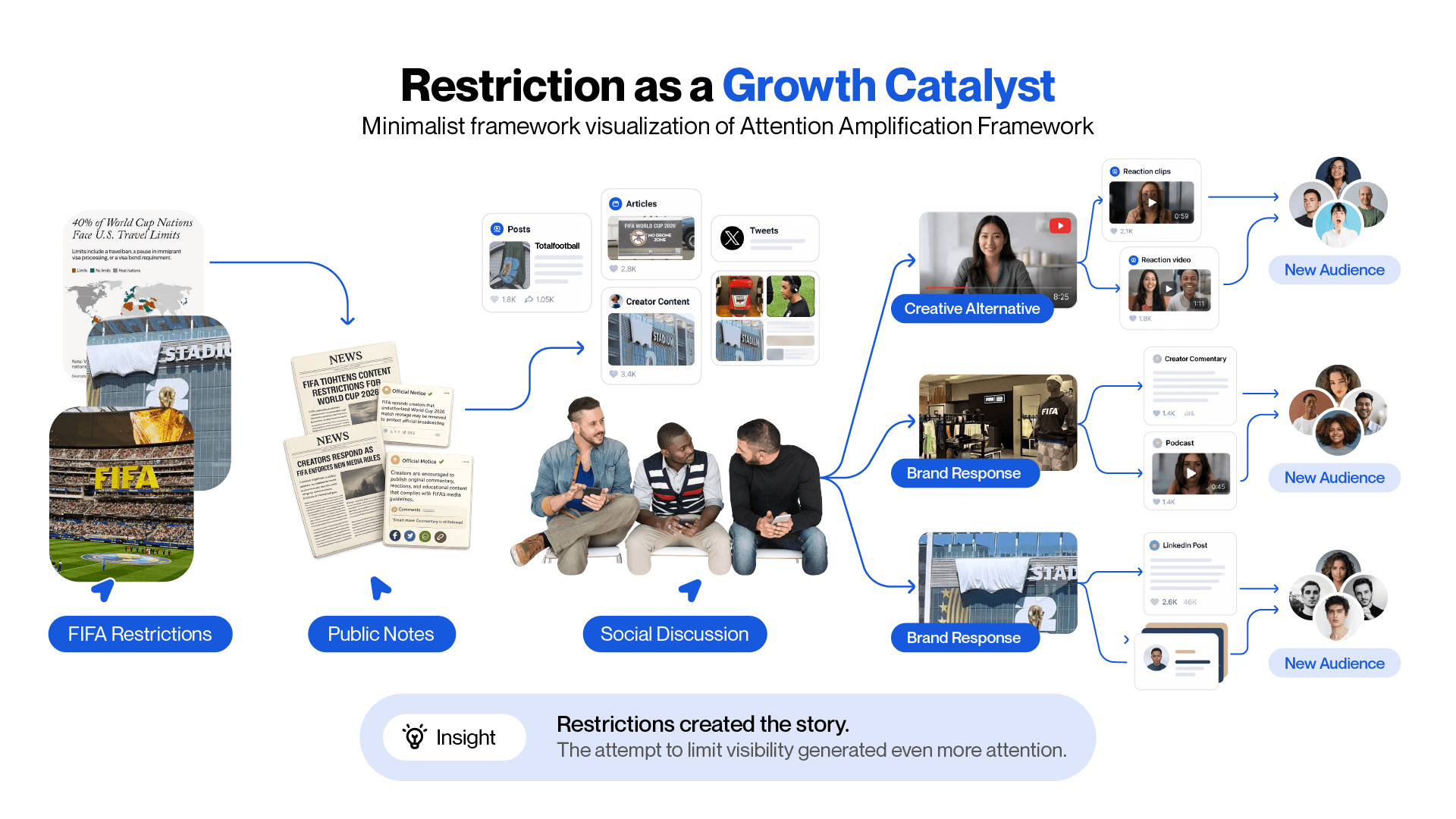
This pre-existing commercial branding faces strict restrictions because, from FIFA’s perspective, these restrictions are an effort to protect sponsorship value. However, from the perspective of the online public, these restrictions have created a narrative that spreads far more quickly than a mere logo
Three Brands, Three Different Responses
The interesting part wasn't the restriction, but how these brands responded to FIFA.
Levi's: Turned Removal Into A Campaign
Perhaps the most visible example involved Levi's Stadium.
Ahead of the 2026 FIFA World Cup, workers reportedly covered the Levi’s signage throughout the stadium with a white cloth. People who witnessed this documented it and uploaded the images, which then spread rapidly online because a globally recognized stadium suddenly appeared to be nameless
Faced with this, Levi’s neither denied nor complained.
Instead, Levi’s capitalized on the moment by launching a campaign in seven countries to celebrate the fact that people already knew exactly which stadium FIFA was trying to hide. From this campaign, a TikTok video reportedly generated over 9 million views.
An incident that was initially seen as ironic by the public was successfully turned into a marketing strategy by Levi’s. They knew full well that the more people talked about the covered-up logo, the more visibility the brand would receive.
Beats By Dre: Let The Tape Tell The Story
Unlike Levi’s, which has been part of the stadium from the start, Beats is not part of the stadium but faced a similar challenge when German soccer star Jamal Musiala was seen wearing headphones with the Beats logo covered in tape due to FIFA’s branding rules.
Normally, this would be an easily overlooked operational detail, but the image of the tape-covered headphones subsequently went viral on social media. This sparked a discussion among online audiences, where instead of discussing FIFA sponsors, they ended up discussing the tape-covered Beats logo.
The tape-covered logo effectively became an advertisement because the audience understood what lay beneath the tape. This is because, in many ways, the tape became more recognizable than the logo itself. Some commentators even speculated that this visibility helped fuel discussions surrounding Beats’ latest products.
Whether intentional or not, covering the Beats logo on the headphones with tape sparked more conversation, sharing, and media coverage.
Heinz: Turning Restriction Into Participation
Heinz also faced a similar issue with the two previous brands, but they handled the situation using a different approach.
Instead of focusing on what was removed, the brand created content that invited the audience to join in on the joke. Heinz ran a campaign that acknowledged existing limitations while making consumers feel like they were part of the group.
Heinz chose an approach that engaged the audience rather than simply promoting a product. This distinction is important because people rarely share ads, but they will willingly share jokes they feel they are a part of.
Why Did These Responses Work?
At first glance, you may see that the campaigns look very different, even when they actually share the same principles.
Principle #1: Response Speed
These brands react when people are already paying attention because they know that attention is fleeting. To capitalize on this moment of heightened attention, they must respond quickly because the faster a brand responds, the easier it is for them to join the conversation.
That’s why Levi’s didn’t wait weeks, Beats didn’t issue an official statement, and Heinz immediately launched their campaign. They knew it was crucial to enter the discussion while it was still ongoing.
Principle #2: Don't Complain, Play With It
Many brands might consider the situation unfair, but these brands treat it as material instead. This strategy changes everything because audiences rarely enjoy hearing companies complain. Audiences prefer a brand’s clever response, especially when it can turn the constraints it faces into content itself.
Principle #3: Create Content That Belongs To The Audience
People hate ads and tend to skip them, so the most successful content is that which doesn’t feel like an ad but rather like internet culture. This kind of content encourages people to share screenshots, create memes, leave comments, and even make reaction videos. In this way, the audience becomes a distribution channel, multiplying the brand’s reach.
Lessons For Brands Without A Big Budget
One reason these campaigns are important is that they challenge the common assumption held by many marketers that visibility can be bought. The 2026 FIFA World Cup serves as an example of something different where visibility can also be gained through participation.
Levi’s, Beats, and Heinz didn’t spend more money than FIFA’s sponsors, buy more billboards, or secure exclusive rights. Instead, they created content that people wanted to talk about.
For small brands, this lesson is certainly encouraging news. From this case, small brands can learn that what they need is a reason for people to care about their brand and a creative response when opportunities arise, not a $200 million sponsorship package.
When Distribution Becomes More Valuable Than Placement
The FIFA World Cup 2026 examples demonstrate a broader shift happening across marketing.It may be true that the traditional sponsorships still matter, but distribution increasingly comes from people rather than placements.
The brands that benefited most weren't necessarily the brands with the largest budgets. They were the brands that understood how attention moves across social platforms and how audiences participate in stories.
This is one reason Masterhooks frequently studies earned media, creator-driven distribution, and shareable content systems. The goal isn't simply to create advertisements. The goal is to create content that audiences willingly carry into their own feeds, communities, and conversations. As Levi's, Beats, and Heinz demonstrated, sometimes the most valuable media placement is the one people distribute for you.
Interested in applying the same strategy for your brand?

Interested in applying the same strategy for your brand?
They are Levi’s, Beats by Dre, and Heinz, which none of them paid FIFA sponsorship fees, meaning none of them received official tournament branding rights. Yet somehow, they ended up generating massive attention online.
The reason has less to do with sponsorship and more to do with a concept marketers have been discussing for years: the Streisand Effect. When people try to hide, censor, or remove something, they often end up drawing even more attention to it.
This article will explore what happened surrounding FIFA’s branding restrictions and how this case can offer valuable lessons for brands without large advertising budgets.
What Actually Happened?
As part of FIFA World Cup operations, host venues must comply with what is commonly known as the “Clean Stadium Policy.”
The purpose of this policy is to ensure that only official FIFA partners are visible within tournament venues. As a result, existing branding inside the stadium often must be covered, removed, or temporarily concealed. Among the brands already present in the stadium prior to the 2026 FIFA World Cup that are affected include:
Levi’s branding at the stadium
The Beats by Dre logo visible on athletes’ gear
The Heinz logo on some of their products in the stadium pantry
This pre-existing commercial branding faces strict restrictions because, from FIFA’s perspective, these restrictions are an effort to protect sponsorship value. However, from the perspective of the online public, these restrictions have created a narrative that spreads far more quickly than a mere logo
Three Brands, Three Different Responses
The interesting part wasn't the restriction, but how these brands responded to FIFA.
Levi's: Turned Removal Into A Campaign
Perhaps the most visible example involved Levi's Stadium.
Ahead of the 2026 FIFA World Cup, workers reportedly covered the Levi’s signage throughout the stadium with a white cloth. People who witnessed this documented it and uploaded the images, which then spread rapidly online because a globally recognized stadium suddenly appeared to be nameless
Faced with this, Levi’s neither denied nor complained.
Instead, Levi’s capitalized on the moment by launching a campaign in seven countries to celebrate the fact that people already knew exactly which stadium FIFA was trying to hide. From this campaign, a TikTok video reportedly generated over 9 million views.
An incident that was initially seen as ironic by the public was successfully turned into a marketing strategy by Levi’s. They knew full well that the more people talked about the covered-up logo, the more visibility the brand would receive.
Beats By Dre: Let The Tape Tell The Story
Unlike Levi’s, which has been part of the stadium from the start, Beats is not part of the stadium but faced a similar challenge when German soccer star Jamal Musiala was seen wearing headphones with the Beats logo covered in tape due to FIFA’s branding rules.
Normally, this would be an easily overlooked operational detail, but the image of the tape-covered headphones subsequently went viral on social media. This sparked a discussion among online audiences, where instead of discussing FIFA sponsors, they ended up discussing the tape-covered Beats logo.
The tape-covered logo effectively became an advertisement because the audience understood what lay beneath the tape. This is because, in many ways, the tape became more recognizable than the logo itself. Some commentators even speculated that this visibility helped fuel discussions surrounding Beats’ latest products.
Whether intentional or not, covering the Beats logo on the headphones with tape sparked more conversation, sharing, and media coverage.
Heinz: Turning Restriction Into Participation
Heinz also faced a similar issue with the two previous brands, but they handled the situation using a different approach.
Instead of focusing on what was removed, the brand created content that invited the audience to join in on the joke. Heinz ran a campaign that acknowledged existing limitations while making consumers feel like they were part of the group.
Heinz chose an approach that engaged the audience rather than simply promoting a product. This distinction is important because people rarely share ads, but they will willingly share jokes they feel they are a part of.
Why Did These Responses Work?
At first glance, you may see that the campaigns look very different, even when they actually share the same principles.
Principle #1: Response Speed
These brands react when people are already paying attention because they know that attention is fleeting. To capitalize on this moment of heightened attention, they must respond quickly because the faster a brand responds, the easier it is for them to join the conversation.
That’s why Levi’s didn’t wait weeks, Beats didn’t issue an official statement, and Heinz immediately launched their campaign. They knew it was crucial to enter the discussion while it was still ongoing.
Principle #2: Don't Complain, Play With It
Many brands might consider the situation unfair, but these brands treat it as material instead. This strategy changes everything because audiences rarely enjoy hearing companies complain. Audiences prefer a brand’s clever response, especially when it can turn the constraints it faces into content itself.
Principle #3: Create Content That Belongs To The Audience
People hate ads and tend to skip them, so the most successful content is that which doesn’t feel like an ad but rather like internet culture. This kind of content encourages people to share screenshots, create memes, leave comments, and even make reaction videos. In this way, the audience becomes a distribution channel, multiplying the brand’s reach.
Lessons For Brands Without A Big Budget
One reason these campaigns are important is that they challenge the common assumption held by many marketers that visibility can be bought. The 2026 FIFA World Cup serves as an example of something different where visibility can also be gained through participation.
Levi’s, Beats, and Heinz didn’t spend more money than FIFA’s sponsors, buy more billboards, or secure exclusive rights. Instead, they created content that people wanted to talk about.
For small brands, this lesson is certainly encouraging news. From this case, small brands can learn that what they need is a reason for people to care about their brand and a creative response when opportunities arise, not a $200 million sponsorship package.
When Distribution Becomes More Valuable Than Placement
The FIFA World Cup 2026 examples demonstrate a broader shift happening across marketing.It may be true that the traditional sponsorships still matter, but distribution increasingly comes from people rather than placements.
The brands that benefited most weren't necessarily the brands with the largest budgets. They were the brands that understood how attention moves across social platforms and how audiences participate in stories.
This is one reason Masterhooks frequently studies earned media, creator-driven distribution, and shareable content systems. The goal isn't simply to create advertisements. The goal is to create content that audiences willingly carry into their own feeds, communities, and conversations. As Levi's, Beats, and Heinz demonstrated, sometimes the most valuable media placement is the one people distribute for you.
Interested in applying the same strategy for your brand?
Related Reading
Related Reading
How to Find the Right Influencer Marketing Agency for Your Brand (Without Wasting Budget)
6 min
|
How to Find the Right Influencer Marketing Agency for Your Brand (Without Wasting Budget)
Learn how to choose an influencer marketing agency using a practical scorecard, performance criteria, red flags, and pre-contract checks.
6 min
|

AI Video Ad Agencies: A Buyer's Guide for DTC Brands (2026)
4 min
|
AI Video Ad Agencies: A Buyer's Guide for DTC Brands (2026)
Compare AI video ad agency types, pricing, performance metrics, ownership rights, and seven questions DTC brands should ask before hiring.
4 min
|

How Taylor Swift Engineered a UGC Wave With 13 Seconds of Video and One Awards Show
4 min
|
How Taylor Swift Engineered a UGC Wave With 13 Seconds of Video and One Awards Show
How Taylor Swift turned a 13-second teaser, Easter eggs, and a live VMA premiere into a UGC engine brands can adapt for organic distribution.
4 min
|


Need help scaling?
Book a strategy call with our expert team to audit your current UGC setup.

