This is the Hook Formula from 100+ Viral Videos (The AI Brand Playbook)
5 min
read
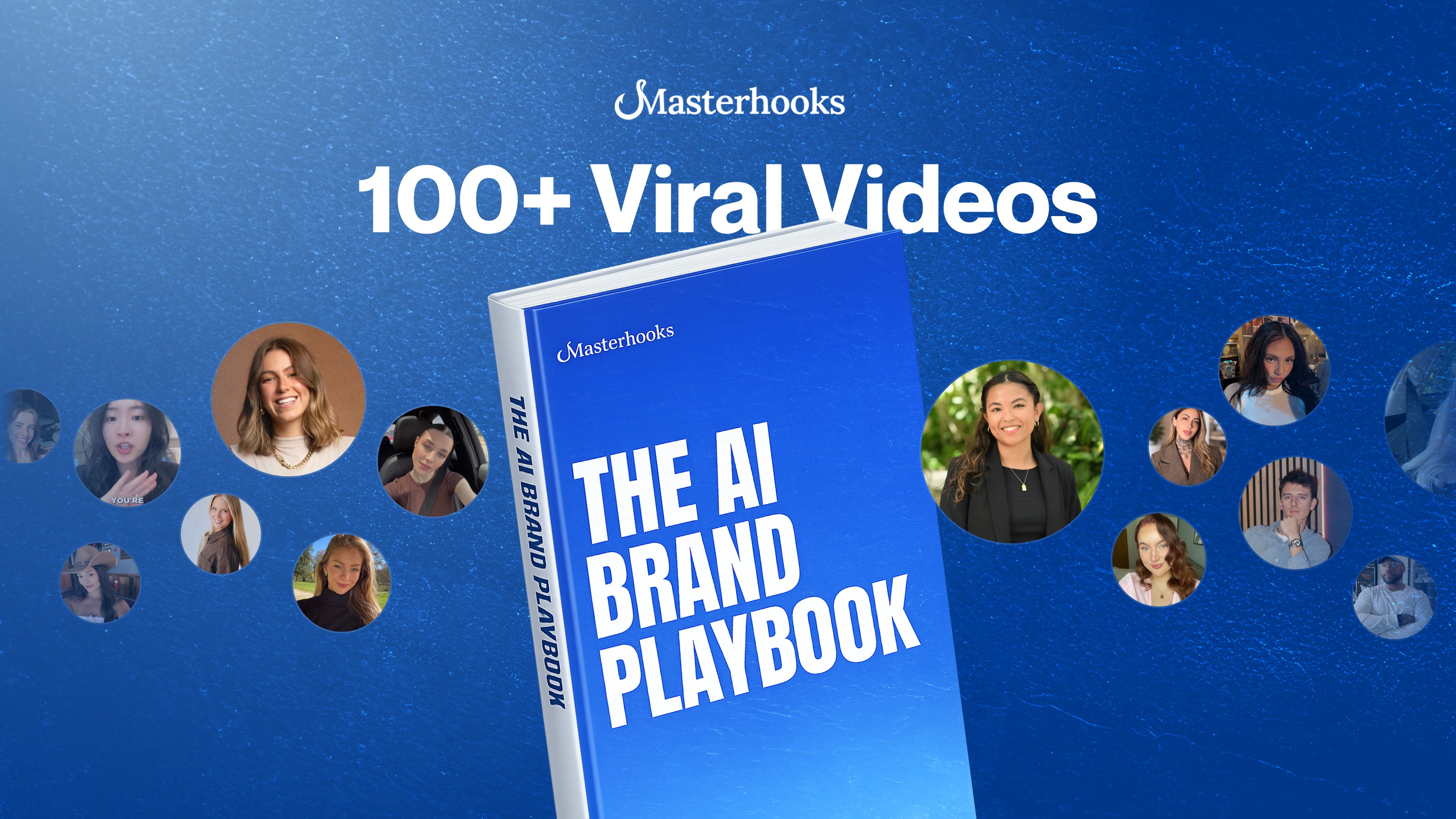
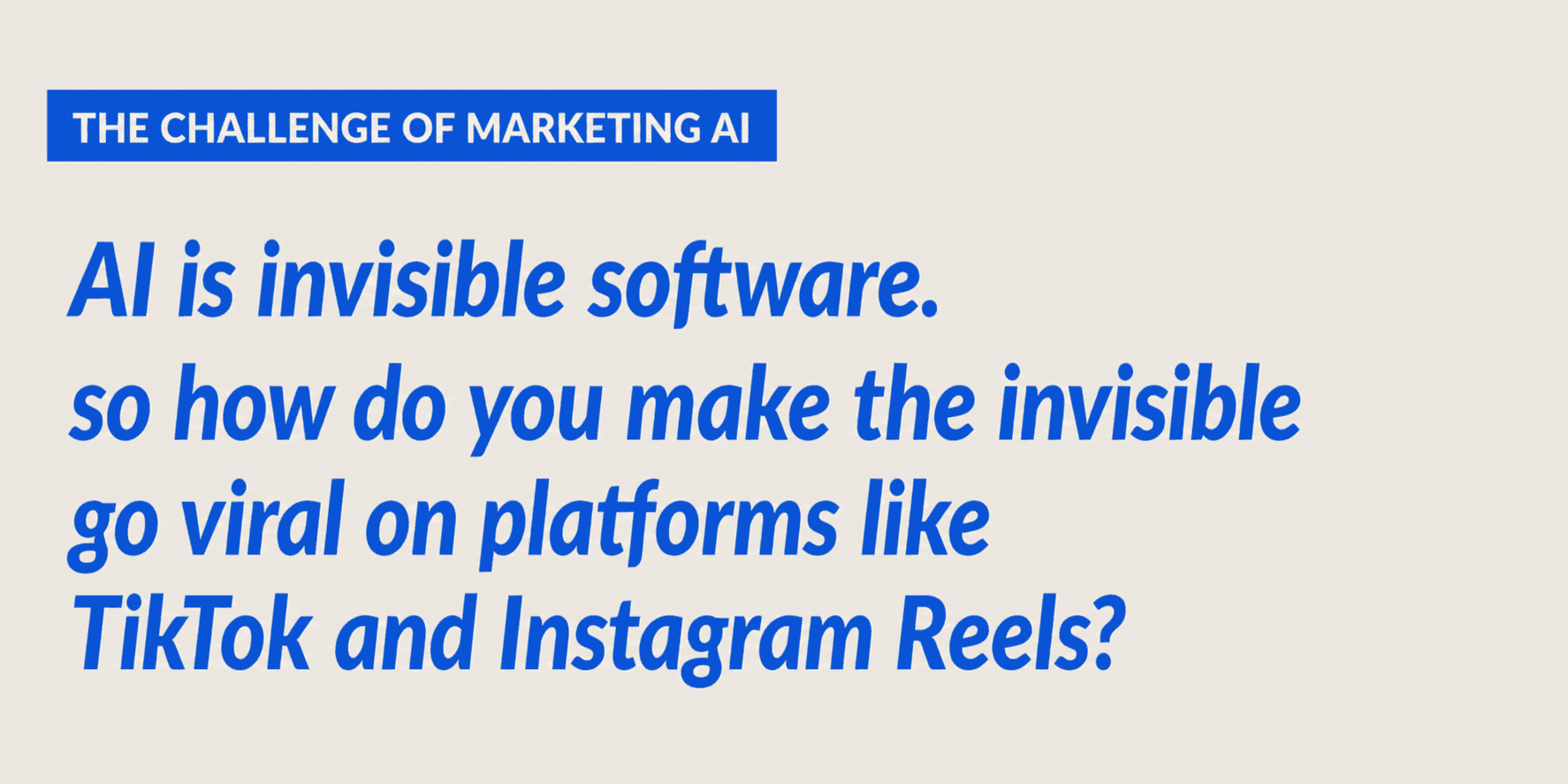
We analyzed over 100 viral videos in the tech and app space, uncovering the secret of every viral content. Where it's more than just high-budget production or celebrity endorsements, but the true power of the hooks.
If you are trying to scale an AI app or software, here is the ultimate playbook on User-Generated Content (UGC) hooks, the psychology behind why they work, and the exact formulas you can steal today.
🧠 What is a Hook in UGC?
If you are new to the creator economy, you might be asking: "What is a Hook?"
In UGC, a hook is the first 1–3 seconds that stop someone from scrolling. If it fails, the rest of your video doesn’t matter. This is because the hook doesn’t sell the product, it sells the rest of the content.
For AI brands, strong hooks highlight relatable pain points, like burnout or wasted time, before positioning the AI as the solution.
📈 The 3 Viral Hook Formulas Every AI Brand Needs
Based on the analysis of top-performing content, here are the three dominant hook formulas that are currently breaking the algorithm, complete with how to execute them.
Play 1: The Meme Hook
The internet runs on memes because they’re instant, relatable, and easy to understand. Using meme formats in UGC is one of the fastest ways to connect with a cold audience.
How it works: Instead of a boring product demo, start with a trending meme or audio to highlight a common struggle.
For AI brands: Show a relatable pain point first, then introduce the AI as the simple solution.
Play 2: The Visual Hook
Not all hooks need loud delivery, some of them work purely through visuals. A recent app even climbed the App Store using a simple, nostalgic slideshow format.
How it works: An aesthetic or unique video grabs attention through visual appeal alone.
For AI brands: Show a clear transformation, start with a plain image, then reveal the AI-enhanced version. The contrast becomes the hook, no words needed.
Play 3: Rage Bait
“Rage bait” is controversial, but it crazily works. It’s content designed to provoke viewers into commenting, which boosts engagement and reach.
How it works: The creator does something obviously wrong or frustrating in the first few seconds, triggering people to react and correct them.
For AI brands: Start with an inefficient or painful process, then reveal the AI tool as the faster solution. The frustration hooks attention, and the comments drive distribution.
🚀 Scale Your AI Brand with Masterhooks
Knowing the formula is step one, executing it at scale is what drives real growth.
Many AI brands struggle to find creators who can apply these hooks naturally without sounding like ads.
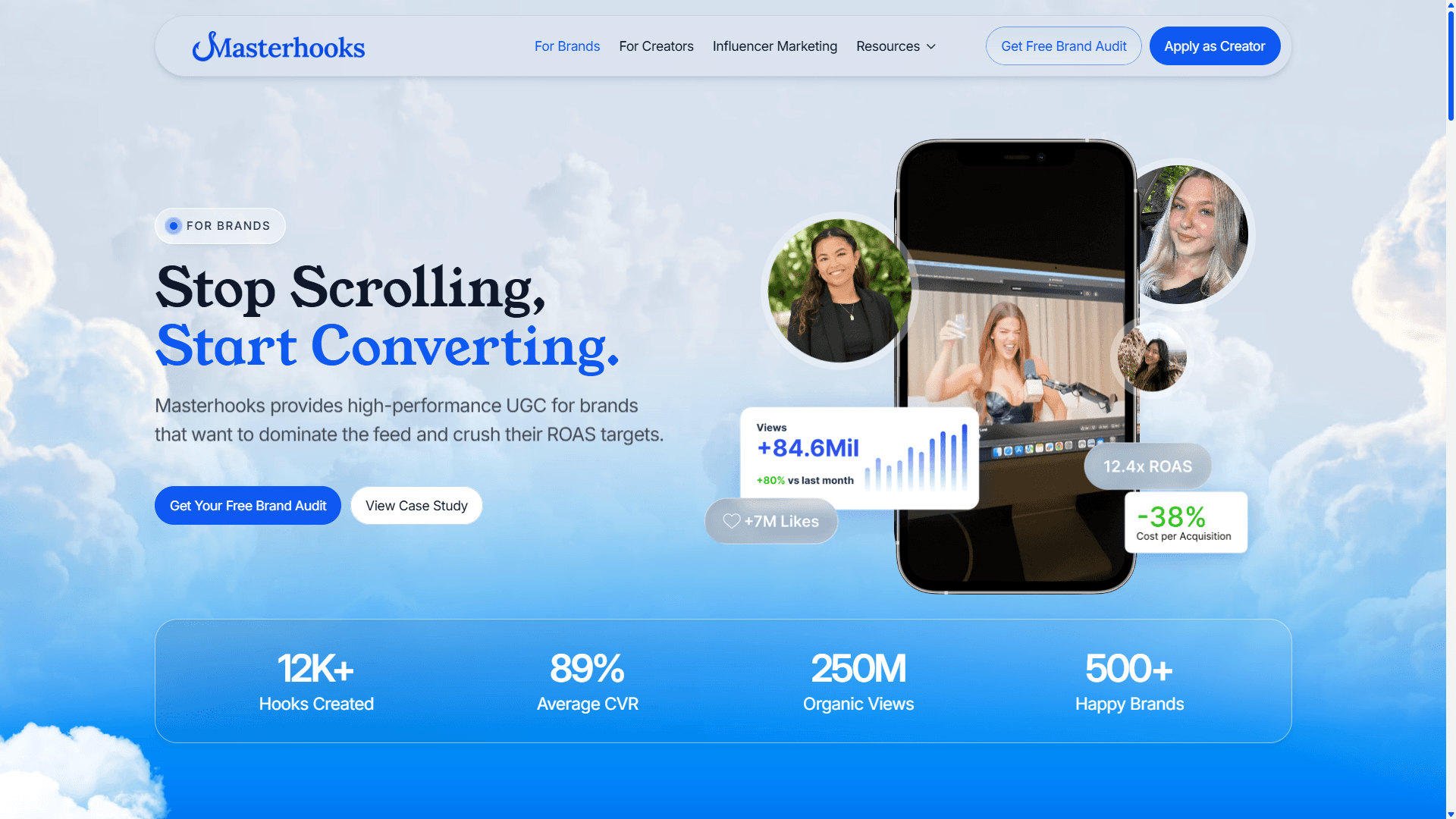
That’s where Masterhooks comes in. As a performance-driven UGC engine, it combines proven hook strategies with a vetted creator network to produce high-converting content.
Instead of guessing what works, Masterhooks delivers ad-ready assets that lower CPI and help brands scale profitably.
It is your turn to increase your brand's visibility!

It is your turn to increase your brand's visibility!
We analyzed over 100 viral videos in the tech and app space, uncovering the secret of every viral content. Where it's more than just high-budget production or celebrity endorsements, but the true power of the hooks.
If you are trying to scale an AI app or software, here is the ultimate playbook on User-Generated Content (UGC) hooks, the psychology behind why they work, and the exact formulas you can steal today.
🧠 What is a Hook in UGC?
If you are new to the creator economy, you might be asking: "What is a Hook?"
In UGC, a hook is the first 1–3 seconds that stop someone from scrolling. If it fails, the rest of your video doesn’t matter. This is because the hook doesn’t sell the product, it sells the rest of the content.
For AI brands, strong hooks highlight relatable pain points, like burnout or wasted time, before positioning the AI as the solution.
📈 The 3 Viral Hook Formulas Every AI Brand Needs
Based on the analysis of top-performing content, here are the three dominant hook formulas that are currently breaking the algorithm, complete with how to execute them.
Play 1: The Meme Hook
The internet runs on memes because they’re instant, relatable, and easy to understand. Using meme formats in UGC is one of the fastest ways to connect with a cold audience.
How it works: Instead of a boring product demo, start with a trending meme or audio to highlight a common struggle.
For AI brands: Show a relatable pain point first, then introduce the AI as the simple solution.
Play 2: The Visual Hook
Not all hooks need loud delivery, some of them work purely through visuals. A recent app even climbed the App Store using a simple, nostalgic slideshow format.
How it works: An aesthetic or unique video grabs attention through visual appeal alone.
For AI brands: Show a clear transformation, start with a plain image, then reveal the AI-enhanced version. The contrast becomes the hook, no words needed.
Play 3: Rage Bait
“Rage bait” is controversial, but it crazily works. It’s content designed to provoke viewers into commenting, which boosts engagement and reach.
How it works: The creator does something obviously wrong or frustrating in the first few seconds, triggering people to react and correct them.
For AI brands: Start with an inefficient or painful process, then reveal the AI tool as the faster solution. The frustration hooks attention, and the comments drive distribution.
🚀 Scale Your AI Brand with Masterhooks
Knowing the formula is step one, executing it at scale is what drives real growth.
Many AI brands struggle to find creators who can apply these hooks naturally without sounding like ads.
That’s where Masterhooks comes in. As a performance-driven UGC engine, it combines proven hook strategies with a vetted creator network to produce high-converting content.
Instead of guessing what works, Masterhooks delivers ad-ready assets that lower CPI and help brands scale profitably.
It is your turn to increase your brand's visibility!
Need help scaling?
Book a strategy call with our expert team to audit your current UGC setup.