



How Ferrari Turned Fan Fiction Into a Marketing Campaign (and Where the Line Is)
How Ferrari Turned Fan Fiction Into a Marketing Campaign (and Where the Line Is)
Ferrari's fanfiction campaign sparked millions of views and heated debate. Here's what brands can learn about using fan culture without crossing the line.
Published:

Read Time:

4 min

Written by:
Fawwaz
Trend Research and Copywriter
NOT ALL CAMPAIGNS NEED A NEW CULTURE
Most marketing campaigns try to create a culture, but not Ferrari, which capitalizes on an existing one
NOT ALL CAMPAIGNS NEED A NEW CULTURE
Most marketing campaigns try to create a culture, but not Ferrari, which capitalizes on an existing one
NOT ALL CAMPAIGNS NEED A NEW CULTURE
Most marketing campaigns try to create a culture, but not Ferrari, which capitalizes on an existing one
Shortly after Lewis Hamilton joined Ferrari, the team’s social media channels posted a video featuring Hamilton and Charles Leclerc reading and guessing the plot of a fanfiction story about them from Archive of Our Own (AO3), one of the largest fanfiction communities on the internet.
It didn’t take long for the video to go viral on TikTok, Instagram, Reddit, and X. Some viewers called it one of Ferrari’s funniest social media campaigns, while others argued that it crossed an unspoken line. The issue wasn’t that the content was offensive, but that it violates a space many fans consider private.
The debate over this boundary-crossing continued to grow until it became a topic that seemed more interesting than the video itself. This eventually brought to light an important question that every brand ultimately faces: “How can you celebrate fan culture without exploiting it?”
What Ferrari Did Right
If you’ve noticed, the strongest aspect of this campaign isn’t the production itself, but the research behind it.
Shoutout to Ferrari’s research team for finding that fan fiction, which shows they clearly understand that their audience has created its own cultural language around the drivers. In this context, fans don’t just support Hamilton and Leclerc, but also have been building a community, sharing jokes, circulating memes, and making inside references for years. Ferrari didn’t come up with these ideas, but it’s clear they recognize them.
This video references the term “Archive of Our Own,” fan fiction culture, the long-standing “Brocedes” community surrounding Lewis Hamilton and Nico Rosberg, as well as internet humor that has evolved and become familiar to Formula 1 fans.
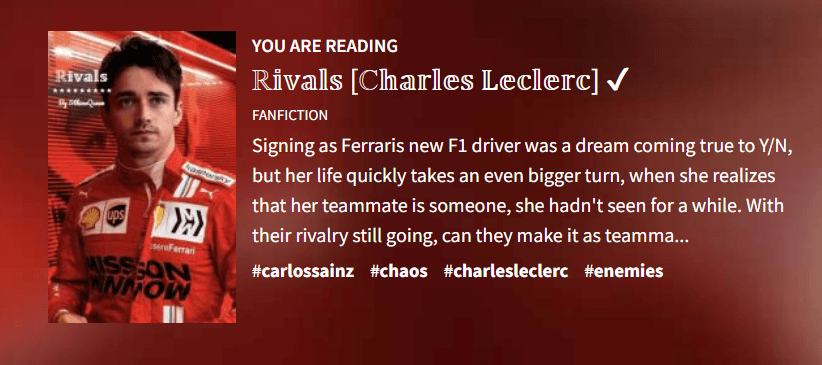
The video campaign aims to speak the audience’s language, making it sound familiar to fans. This familiarity lowers the barrier for fans to engage because they don’t need to learn new jokes, just simply tap into existing ones that the brand itself acknowledges.
Where Ferrari Lost Part of the Community
Unfortunately, the decisions that made the campaign successful also drew the most criticism.
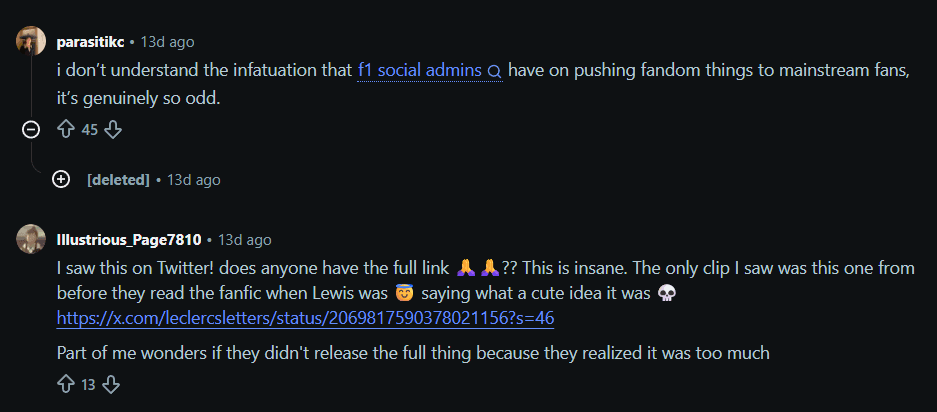
For a long time, fanfiction has occupied a unique space in the online world. Although it is publicly accessible, many writers still view it as community content rather than brand content. This leads them to believe that the audience for fanfiction should be other fans, not companies, the media, or the people featured in the stories. Some fans even argue that reading fanfiction publicly can alter the relationship between creators and readers.
This criticism escalated when a discussion emerged claiming that one of the stories referenced in the content was shared from a post set to private with restricted audience access. Thus, whether intentional or not, this became controversial because Ferrari shared content that was supposed to be private, thereby drawing attention away from the campaign they were running.
Discussions surrounding this controversy continue to evolve, with people debating the boundaries of fan culture and determining when brand participation is permissible. This is an important topic to discuss, given that communities often operate under unwritten social norms. Disregarding these norms can reduce public trust, even when no formal rules have actually been broken.
Why The Debate Helped The Campaign Spread
Although it may sound ironic, there’s no denying that the resulting controversy and criticism also boosted the campaign’s reach.
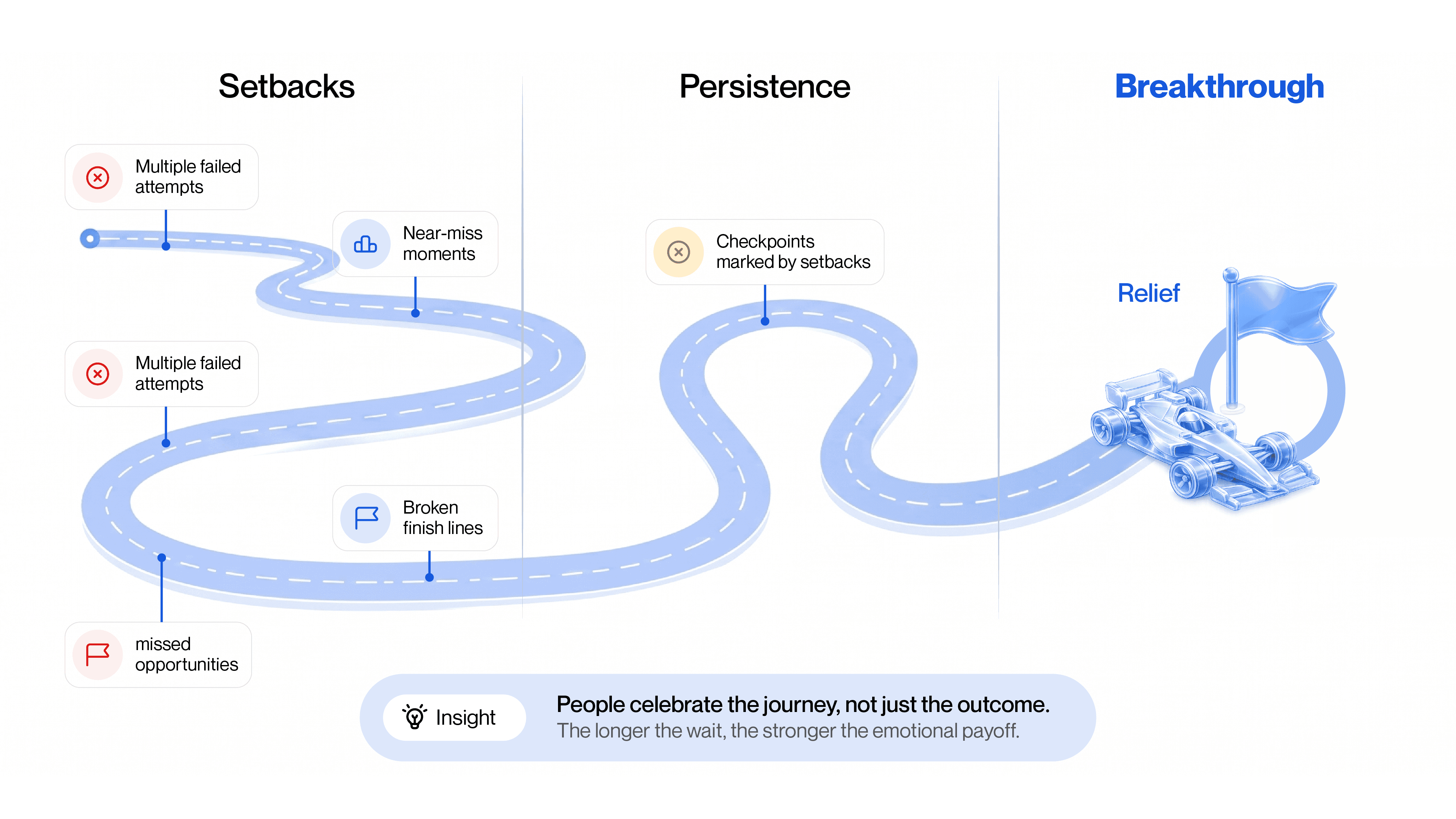
This is because not only did people who liked the campaign share it, but so did those who disliked it. As a result, people who had never heard of Archive of Our Own suddenly wanted to understand the discussion, causing the campaign to spread beyond Formula 1 fans.
The campaign created by Ferrari has expanded to include conversations about internet culture, privacy, fandom, and marketing ethics. As discussed in a previous Masterhooks article, content that sparks thoughtful debate often spreads more widely than content that everyone immediately agrees with.
However, it’s important to note that this case doesn’t necessarily teach you that controversy should be a strategy. It simply explains why debates often generate more attention than consensus, since every opinion becomes another piece of the viral puzzle.
The Better Framework For Brands
Despite the controversy that followed, Ferrari’s campaign highlights a distinction that brands would do well to understand.
There’s a difference between drawing inspiration from fan behavior and directly using fan-created content. The former approach can typically strengthen relationships, while the latter requires far greater caution to avoid clashing with the community.
Here’s a practical framework you can follow as a brand:
Observe BehaviorsLearn how the community interacts, the inside jokes they share, established rituals, and the language that feels natural. By understanding these patterns, you can craft the best campaigns, as they often serve as a safer source of inspiration. |
Respect Community SpacesJust because content is technically public doesn’t always mean the audience expects brands to use it. This is because communities often have unwritten expectations, and understanding those expectations is just as important as understanding the platform’s rules. |
Build With The CommunityInstead of extracting fan-generated content, create opportunities for fans to participate voluntarily by inviting them to submit their work. This can be done by organizing collaborative campaigns aimed at recognizing creators with the community’s permission. This approach can have a very positive impact on your brand because participation typically fosters stronger relationships than appropriation. |
Leave Room For DiscoveryOne reason Ferrari’s campaign was a creative success is that it rewarded people who already understood its references. That sense of discovery is so valuable that brands can recreate it without directly taking content from the community |
Building With Communities Instead of Borrowing From Them
Ferrari demonstrated that fan culture can become powerful creative inspiration. The campaign felt fresh because it reflected a language fans had already built over years of interaction. At the same time, the debate surrounding the video showed that communities also have expectations about how their spaces should be treated.
For marketers, this is a valuable lesson. Authentic engagement starts with understanding not only what communities create but also why they create it. Masterhooks frequently studies creator ecosystems, fan behavior, and participatory culture because successful community marketing depends on more than spotting trends. It depends on recognizing the boundaries that allow audiences to feel respected while still inviting them into the story.
Want to know how to create a community-driven campaign?

Want to know how to create a community-driven campaign?
Shortly after Lewis Hamilton joined Ferrari, the team’s social media channels posted a video featuring Hamilton and Charles Leclerc reading and guessing the plot of a fanfiction story about them from Archive of Our Own (AO3), one of the largest fanfiction communities on the internet.
It didn’t take long for the video to go viral on TikTok, Instagram, Reddit, and X. Some viewers called it one of Ferrari’s funniest social media campaigns, while others argued that it crossed an unspoken line. The issue wasn’t that the content was offensive, but that it violates a space many fans consider private.
The debate over this boundary-crossing continued to grow until it became a topic that seemed more interesting than the video itself. This eventually brought to light an important question that every brand ultimately faces: “How can you celebrate fan culture without exploiting it?”
What Ferrari Did Right
If you’ve noticed, the strongest aspect of this campaign isn’t the production itself, but the research behind it.
Shoutout to Ferrari’s research team for finding that fan fiction, which shows they clearly understand that their audience has created its own cultural language around the drivers. In this context, fans don’t just support Hamilton and Leclerc, but also have been building a community, sharing jokes, circulating memes, and making inside references for years. Ferrari didn’t come up with these ideas, but it’s clear they recognize them.
This video references the term “Archive of Our Own,” fan fiction culture, the long-standing “Brocedes” community surrounding Lewis Hamilton and Nico Rosberg, as well as internet humor that has evolved and become familiar to Formula 1 fans.
The video campaign aims to speak the audience’s language, making it sound familiar to fans. This familiarity lowers the barrier for fans to engage because they don’t need to learn new jokes, just simply tap into existing ones that the brand itself acknowledges.
Where Ferrari Lost Part of the Community
Unfortunately, the decisions that made the campaign successful also drew the most criticism.
For a long time, fanfiction has occupied a unique space in the online world. Although it is publicly accessible, many writers still view it as community content rather than brand content. This leads them to believe that the audience for fanfiction should be other fans, not companies, the media, or the people featured in the stories. Some fans even argue that reading fanfiction publicly can alter the relationship between creators and readers.
This criticism escalated when a discussion emerged claiming that one of the stories referenced in the content was shared from a post set to private with restricted audience access. Thus, whether intentional or not, this became controversial because Ferrari shared content that was supposed to be private, thereby drawing attention away from the campaign they were running.
Discussions surrounding this controversy continue to evolve, with people debating the boundaries of fan culture and determining when brand participation is permissible. This is an important topic to discuss, given that communities often operate under unwritten social norms. Disregarding these norms can reduce public trust, even when no formal rules have actually been broken.
Why The Debate Helped The Campaign Spread
Although it may sound ironic, there’s no denying that the resulting controversy and criticism also boosted the campaign’s reach.
This is because not only did people who liked the campaign share it, but so did those who disliked it. As a result, people who had never heard of Archive of Our Own suddenly wanted to understand the discussion, causing the campaign to spread beyond Formula 1 fans.
The campaign created by Ferrari has expanded to include conversations about internet culture, privacy, fandom, and marketing ethics. As discussed in a previous Masterhooks article, content that sparks thoughtful debate often spreads more widely than content that everyone immediately agrees with.
However, it’s important to note that this case doesn’t necessarily teach you that controversy should be a strategy. It simply explains why debates often generate more attention than consensus, since every opinion becomes another piece of the viral puzzle.
The Better Framework For Brands
Despite the controversy that followed, Ferrari’s campaign highlights a distinction that brands would do well to understand.
There’s a difference between drawing inspiration from fan behavior and directly using fan-created content. The former approach can typically strengthen relationships, while the latter requires far greater caution to avoid clashing with the community.
Here’s a practical framework you can follow as a brand:
Observe BehaviorsLearn how the community interacts, the inside jokes they share, established rituals, and the language that feels natural. By understanding these patterns, you can craft the best campaigns, as they often serve as a safer source of inspiration. |
Respect Community SpacesJust because content is technically public doesn’t always mean the audience expects brands to use it. This is because communities often have unwritten expectations, and understanding those expectations is just as important as understanding the platform’s rules. |
Build With The CommunityInstead of extracting fan-generated content, create opportunities for fans to participate voluntarily by inviting them to submit their work. This can be done by organizing collaborative campaigns aimed at recognizing creators with the community’s permission. This approach can have a very positive impact on your brand because participation typically fosters stronger relationships than appropriation. |
Leave Room For DiscoveryOne reason Ferrari’s campaign was a creative success is that it rewarded people who already understood its references. That sense of discovery is so valuable that brands can recreate it without directly taking content from the community |
Building With Communities Instead of Borrowing From Them
Ferrari demonstrated that fan culture can become powerful creative inspiration. The campaign felt fresh because it reflected a language fans had already built over years of interaction. At the same time, the debate surrounding the video showed that communities also have expectations about how their spaces should be treated.
For marketers, this is a valuable lesson. Authentic engagement starts with understanding not only what communities create but also why they create it. Masterhooks frequently studies creator ecosystems, fan behavior, and participatory culture because successful community marketing depends on more than spotting trends. It depends on recognizing the boundaries that allow audiences to feel respected while still inviting them into the story.
Want to know how to create a community-driven campaign?
Related Reading
Related Reading

Why Pretty Little Liars and The Love Hypothesis Are Going Viral in the Same Week
5 min
|
Why Pretty Little Liars and The Love Hypothesis Are Going Viral in the Same Week
Learn how Pretty Little Liars and The Love Hypothesis turn fans into engines for fan-generated content, and what brands can learn about community-led growth.
5 min
|

What Is a Content Pillar? (And How to Build One That Actually Works for UGC)
4 min
|
What Is a Content Pillar? (And How to Build One That Actually Works for UGC)
Learn what a content pillar is, why it matters for UGC, and how to build a practical content pillar strategy with creator briefs and real examples.
4 min
|

First Day of Fall, First Day of Content: The UGC Formats That Win in October
4 min
|
First Day of Fall, First Day of Content: The UGC Formats That Win in October
Discover five October UGC formats brands can use this fall, from seasonal transitions and cozy routines to Halloween teasers and reset content.
4 min
|


Need help scaling?
Book a strategy call with our expert team to audit your current UGC setup.

