The Haaland Paradox: Why the World Cup's Best Striker Went Viral for Everything Except Football
The Haaland Paradox: Why the World Cup's Best Striker Went Viral for Everything Except Football
Haaland scored goals at the World Cup, but fans shared his personality. Here's what brands can learn about authenticity and organic reach.
Published:

Read Time:

4 min

Written by:
Fawwaz
Trend Research and Copywriter
A HIGHLIGHT IN MATCH, BUT NOT ON SOCIAL MEDIA
He scored four goals in his first two games at the 2026 World Cup, but what’s trending online isn’t about the goals
A HIGHLIGHT IN MATCH, BUT NOT ON SOCIAL MEDIA
He scored four goals in his first two games at the 2026 World Cup, but what’s trending online isn’t about the goals
A HIGHLIGHT IN MATCH, BUT NOT ON SOCIAL MEDIA
He scored four goals in his first two games at the 2026 World Cup, but what’s trending online isn’t about the goals
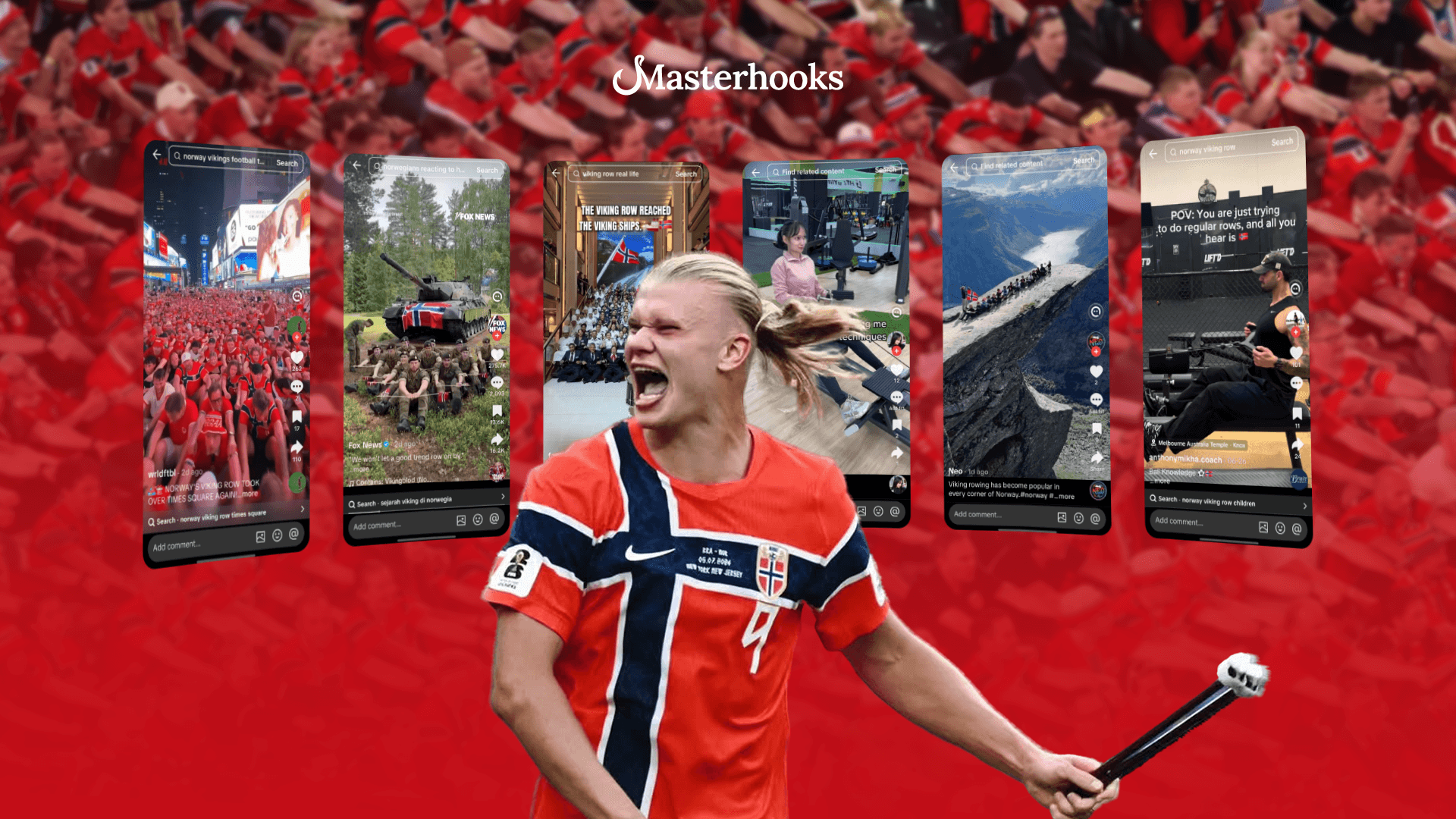
As someone who delivered an extraordinary performance at the World Cup, the most widely shared content about Erling Haaland is not about his goals, but his personality. This article will attempt to uncover how this occurrence is not a coincidence but rather a pattern, and understanding why it happened will tell you something important about how organic distribution will actually work in 2026.
Three Categories of Content, One Common Thread
The viral content around Haaland during this World Cup falls into three distinct categories, each operating through a different mechanism but all rooted in the same underlying dynamic: he consistently subverts what people expect from someone in his position.
Category 1: The Unfiltered Self — Snapchat, Silk Pajamas, and the WALOVI Campaign
One of the most talked-about aspects of Haaland’s online presence during the World Cup was his Snapchat, which has 4 million followers, with contents that do not look like a superstar athlete's social media presence.
Nose-hole selfies taken in what appears to be a hotel bathroom, infrared sauna updates with captions that make no obvious sense, a photo of silk pajamas, also random hotel room details that no PR team would ever approve for public posting.
The WALOVI campaign, his partnership with Wang Lao Ji, operated on the same logic but at a brand level. The campaign seemed unusual from the start, with Haaland appearing to speak Mandarin.
Rather than a polished celebrity endorsement announcement, the campaign leaked in stages. Initially, Haaland followed the brand on Weibo, then announced the partnership elsewhere through a phased campaign.
Fans pieced the story together themselves, which created the impression of discovery rather than broadcast. The result spread like internet culture, not like advertising, because it borrowed the same aesthetic of unfiltered authenticity that his Snapchat had already established.
What these pieces of content share is the absence of obvious curation. Modern audiences have developed a reliable sense for content that has passed through approval layers, and they respond to it accordingly. Content that bypasses that filter, even if it is technically produced, generates a fundamentally different kind of attention.
Category 2: The Meme Format — When Personality Becomes a Template
The "Ha Ha Ha Ha Ha" running meme is different from the Snapchat content because it is not just about Haaland, it is something audiences can participate in. During the World Cup, countless TikTok and Instagram videos began pairing clips of Haaland running with the now-famous “Ha Ha Ha Ha Ha” audio.
Fans compared his movements to a glitch in a video game, an ostrich running too late, or a giant running down a hill. The descriptions varied, but they all shared the same structure, making the format easy to replicate.
The critical decision that extended this cycle is that Haaland did not shut it down, but he embraced it. When the subject participates in the joke, the audience loses the social risk of making more jokes. This allows the format to last longer, with content continuing to multiply as the community keeps getting creative.
Category 3: The Unexpected Detail — Birkin Bags, Tom Holland, and the Insider Information Dynamic
The third category is what might be called revelation content: facts about Haaland that contradict the audience's mental model of who he is. A man widely considered one of the most physically imposing athletes in the world quietly collects rare Hermès Birkin bags. He received a direct message from Tom Holland inviting him to dinner at the Monaco Grand Prix and never replied, apparently because he did not know who Tom Holland was.
Each new revelation about Haaland fuels the content cycle, as people share these facts because they feel like they’ve uncovered insider information. In this case, the audience becomes the source of the information not because they’re asked to, but because they want to be the first to reveal something interesting.
What's Really Happening Psychologically?
These individual examples may seem unrelated, but they actually follow the same mechanism. Here are the common mechanisms found in these examples:
Mechanism #1: Constant Information GapsEvery audience forms assumptions about public figures, and Haaland constantly subverts those assumptions. The most fearsome striker in this World Cup posts awkward selfies and acts like an internet troll. Each of these contradictions sparks curiosity that grabs attention, prompting people to willingly share the content. |
Mechanism #2: Low Perceived CurationModern audiences instinctively filter out polished content. People expect strategic planning, media training, or optimization, whereas most of Haaland’s content appears untouched by such systems. Whether intentional or not, this perception builds trust, making the content feel human. |
Mechanism #3: Identity SignalingPerhaps the most important factor is what sharing says about the person doing the sharing. When someone posts, “Did you know that Haaland collects Birkin bags?”, they’re communicating more than just information. They’re signaling cultural awareness, demonstrating deep knowledge, and becoming part of the story. That’s why personality-driven content spreads so effectively. |
What Brands and Creators Can Actually Take From This
No brand can create a personality like Haaland's. And honestly, they shouldn't try.
The structure behind why his content spreads is something any brand or creator can learn from. The most shareable content usually has one specific thing people can remember and repeat. Not a long list of features. Not a mission statement. Just one thing that creates a gap between what people expect and what they actually get. Most brands try to communicate too much at once, but people will retell the surprising things.
For creators, the Haaland case shows that consistency in persona matters more than consistency in format. His content ranges from Snapchat selfies to brand campaigns to running memes, yet they all feel like the same person. That's because the underlying persona never changes: someone who doesn't perform for the camera. When that is clear, every new piece of content feels like a genuine glimpse, not a content strategy.
For UGC specifically, the running meme is a direct example of what happens when a format is easy to replicate, the subject openly participates, and sharing it makes the creator look good. All three of those conditions are things a brand can engineer intentionally. The format doesn't have to happen by accident.
The Content People Carry Forward
The Haaland phenomenon highlights an important shift in how distribution works online. Audiences increasingly create content around people rather than around accomplishments. Goals matter. Achievements matter. But personality often creates longer distribution cycles because it gives communities more material to remix, discuss, and reinterpret.
For brands and creators, that distinction is valuable. The strongest organic UGC frequently emerges from traits, behaviors, and moments that feel unexpectedly human. This is one reason Masterhooks continues to study audience psychology, information gaps, and identity-driven sharing. Understanding why people carry certain stories forward often reveals more about distribution than studying reach alone.
Ready to Apply the Haaland’s Viral Structure?

Ready to Apply the Haaland’s Viral Structure?
As someone who delivered an extraordinary performance at the World Cup, the most widely shared content about Erling Haaland is not about his goals, but his personality. This article will attempt to uncover how this occurrence is not a coincidence but rather a pattern, and understanding why it happened will tell you something important about how organic distribution will actually work in 2026.
Three Categories of Content, One Common Thread
The viral content around Haaland during this World Cup falls into three distinct categories, each operating through a different mechanism but all rooted in the same underlying dynamic: he consistently subverts what people expect from someone in his position.
Category 1: The Unfiltered Self — Snapchat, Silk Pajamas, and the WALOVI Campaign
One of the most talked-about aspects of Haaland’s online presence during the World Cup was his Snapchat, which has 4 million followers, with contents that do not look like a superstar athlete's social media presence.
Nose-hole selfies taken in what appears to be a hotel bathroom, infrared sauna updates with captions that make no obvious sense, a photo of silk pajamas, also random hotel room details that no PR team would ever approve for public posting.
The WALOVI campaign, his partnership with Wang Lao Ji, operated on the same logic but at a brand level. The campaign seemed unusual from the start, with Haaland appearing to speak Mandarin.
Rather than a polished celebrity endorsement announcement, the campaign leaked in stages. Initially, Haaland followed the brand on Weibo, then announced the partnership elsewhere through a phased campaign.
Fans pieced the story together themselves, which created the impression of discovery rather than broadcast. The result spread like internet culture, not like advertising, because it borrowed the same aesthetic of unfiltered authenticity that his Snapchat had already established.
What these pieces of content share is the absence of obvious curation. Modern audiences have developed a reliable sense for content that has passed through approval layers, and they respond to it accordingly. Content that bypasses that filter, even if it is technically produced, generates a fundamentally different kind of attention.
Category 2: The Meme Format — When Personality Becomes a Template
The "Ha Ha Ha Ha Ha" running meme is different from the Snapchat content because it is not just about Haaland, it is something audiences can participate in. During the World Cup, countless TikTok and Instagram videos began pairing clips of Haaland running with the now-famous “Ha Ha Ha Ha Ha” audio.
Fans compared his movements to a glitch in a video game, an ostrich running too late, or a giant running down a hill. The descriptions varied, but they all shared the same structure, making the format easy to replicate.
The critical decision that extended this cycle is that Haaland did not shut it down, but he embraced it. When the subject participates in the joke, the audience loses the social risk of making more jokes. This allows the format to last longer, with content continuing to multiply as the community keeps getting creative.
Category 3: The Unexpected Detail — Birkin Bags, Tom Holland, and the Insider Information Dynamic
The third category is what might be called revelation content: facts about Haaland that contradict the audience's mental model of who he is. A man widely considered one of the most physically imposing athletes in the world quietly collects rare Hermès Birkin bags. He received a direct message from Tom Holland inviting him to dinner at the Monaco Grand Prix and never replied, apparently because he did not know who Tom Holland was.
Each new revelation about Haaland fuels the content cycle, as people share these facts because they feel like they’ve uncovered insider information. In this case, the audience becomes the source of the information not because they’re asked to, but because they want to be the first to reveal something interesting.
What's Really Happening Psychologically?
These individual examples may seem unrelated, but they actually follow the same mechanism. Here are the common mechanisms found in these examples:
Mechanism #1: Constant Information GapsEvery audience forms assumptions about public figures, and Haaland constantly subverts those assumptions. The most fearsome striker in this World Cup posts awkward selfies and acts like an internet troll. Each of these contradictions sparks curiosity that grabs attention, prompting people to willingly share the content. |
Mechanism #2: Low Perceived CurationModern audiences instinctively filter out polished content. People expect strategic planning, media training, or optimization, whereas most of Haaland’s content appears untouched by such systems. Whether intentional or not, this perception builds trust, making the content feel human. |
Mechanism #3: Identity SignalingPerhaps the most important factor is what sharing says about the person doing the sharing. When someone posts, “Did you know that Haaland collects Birkin bags?”, they’re communicating more than just information. They’re signaling cultural awareness, demonstrating deep knowledge, and becoming part of the story. That’s why personality-driven content spreads so effectively. |
What Brands and Creators Can Actually Take From This
No brand can create a personality like Haaland's. And honestly, they shouldn't try.
The structure behind why his content spreads is something any brand or creator can learn from. The most shareable content usually has one specific thing people can remember and repeat. Not a long list of features. Not a mission statement. Just one thing that creates a gap between what people expect and what they actually get. Most brands try to communicate too much at once, but people will retell the surprising things.
For creators, the Haaland case shows that consistency in persona matters more than consistency in format. His content ranges from Snapchat selfies to brand campaigns to running memes, yet they all feel like the same person. That's because the underlying persona never changes: someone who doesn't perform for the camera. When that is clear, every new piece of content feels like a genuine glimpse, not a content strategy.
For UGC specifically, the running meme is a direct example of what happens when a format is easy to replicate, the subject openly participates, and sharing it makes the creator look good. All three of those conditions are things a brand can engineer intentionally. The format doesn't have to happen by accident.
The Content People Carry Forward
The Haaland phenomenon highlights an important shift in how distribution works online. Audiences increasingly create content around people rather than around accomplishments. Goals matter. Achievements matter. But personality often creates longer distribution cycles because it gives communities more material to remix, discuss, and reinterpret.
For brands and creators, that distinction is valuable. The strongest organic UGC frequently emerges from traits, behaviors, and moments that feel unexpectedly human. This is one reason Masterhooks continues to study audience psychology, information gaps, and identity-driven sharing. Understanding why people carry certain stories forward often reveals more about distribution than studying reach alone.
Ready to Apply the Haaland’s Viral Structure?
Related Reading
Related Reading
Why Pretty Little Liars and The Love Hypothesis Are Going Viral in the Same Week
5 min
|
Why Pretty Little Liars and The Love Hypothesis Are Going Viral in the Same Week
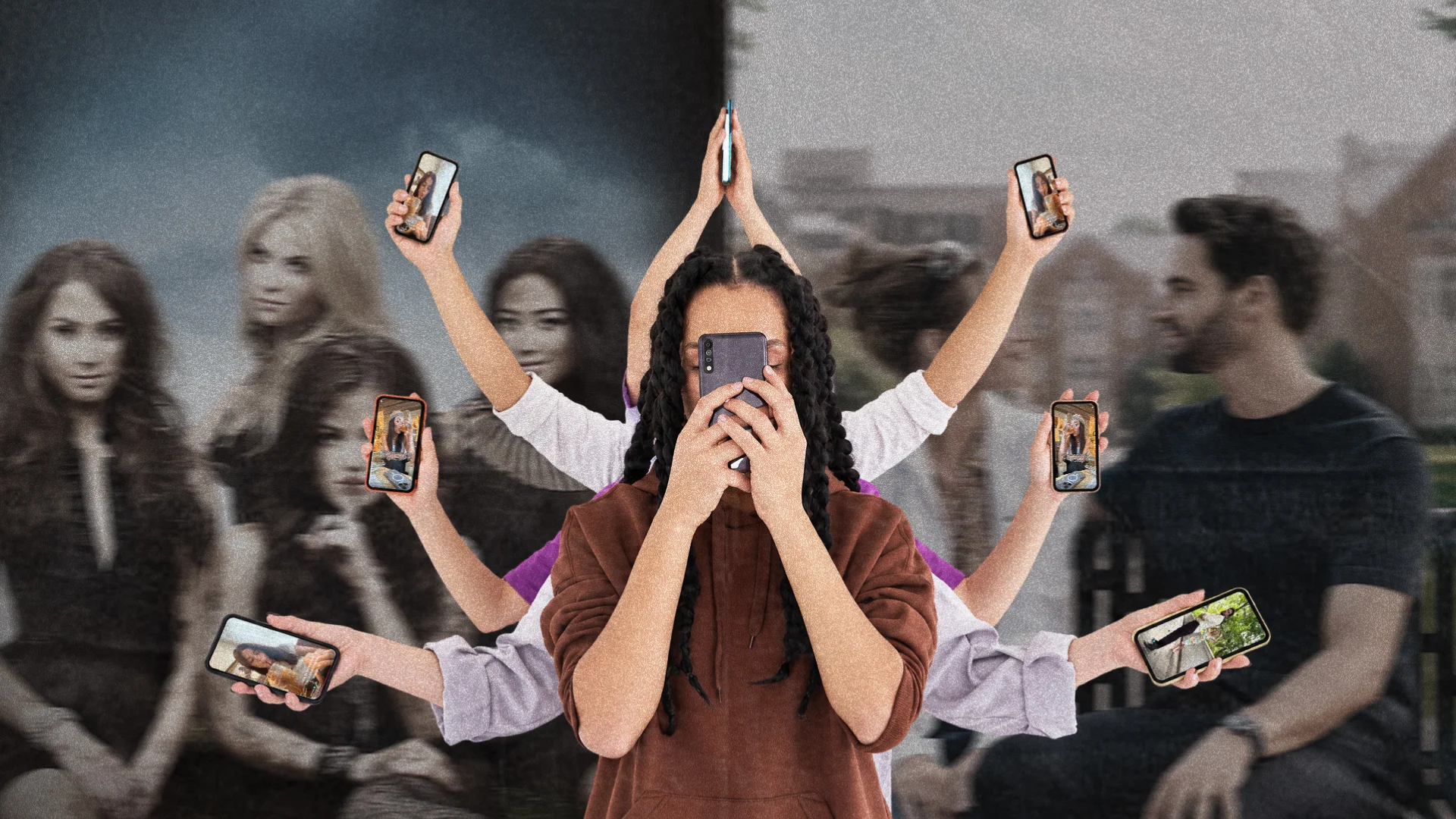
Learn how Pretty Little Liars and The Love Hypothesis turn fans into engines for fan-generated content, and what brands can learn about community-led growth.
5 min
|

What Is a Content Pillar? (And How to Build One That Actually Works for UGC)
4 min
|
What Is a Content Pillar? (And How to Build One That Actually Works for UGC)
Learn what a content pillar is, why it matters for UGC, and how to build a practical content pillar strategy with creator briefs and real examples.
4 min
|

First Day of Fall, First Day of Content: The UGC Formats That Win in October
4 min
|
First Day of Fall, First Day of Content: The UGC Formats That Win in October
Discover five October UGC formats brands can use this fall, from seasonal transitions and cozy routines to Halloween teasers and reset content.
4 min
|


Need help scaling?
Book a strategy call with our expert team to audit your current UGC setup.