



Top 10 Best UGC Agencies in America (2026)
Top 10 Best UGC Agencies in America (2026)
We ranked the top 10 UGC agencies in the US by model type creator quality and paid social performance. See who made the cut and why.
Published:

Read Time:

7 min

Written by:
Fawwaz
Trend Research and Copywriter
THE UGC AGENCY MARKET HAS FRAGMENTED SIGNIFICANTLY.
What used to be a handful of generalist content shops has expanded into dozens of specialized operators, each built around a different theory of what makes creator content actually convert.
THE UGC AGENCY MARKET HAS FRAGMENTED SIGNIFICANTLY.
What used to be a handful of generalist content shops has expanded into dozens of specialized operators, each built around a different theory of what makes creator content actually convert.
THE UGC AGENCY MARKET HAS FRAGMENTED SIGNIFICANTLY.
What used to be a handful of generalist content shops has expanded into dozens of specialized operators, each built around a different theory of what makes creator content actually convert.
Choosing the wrong one means either paying for raw video files that never get used in ads, or getting locked into a platform that doesn't match your production needs. This list is organized by model type so you can match the agency to what your brand actually needs, not just what sounds good in a sales call.
How to Read This List
No single agency is the best fit for every brand. The right choice depends on your stage, your channel mix, your product category, and whether you need strategic direction or execution capacity. Each entry below specifies the model, the approach, and the brand profile it fits best.
1. Masterhooks
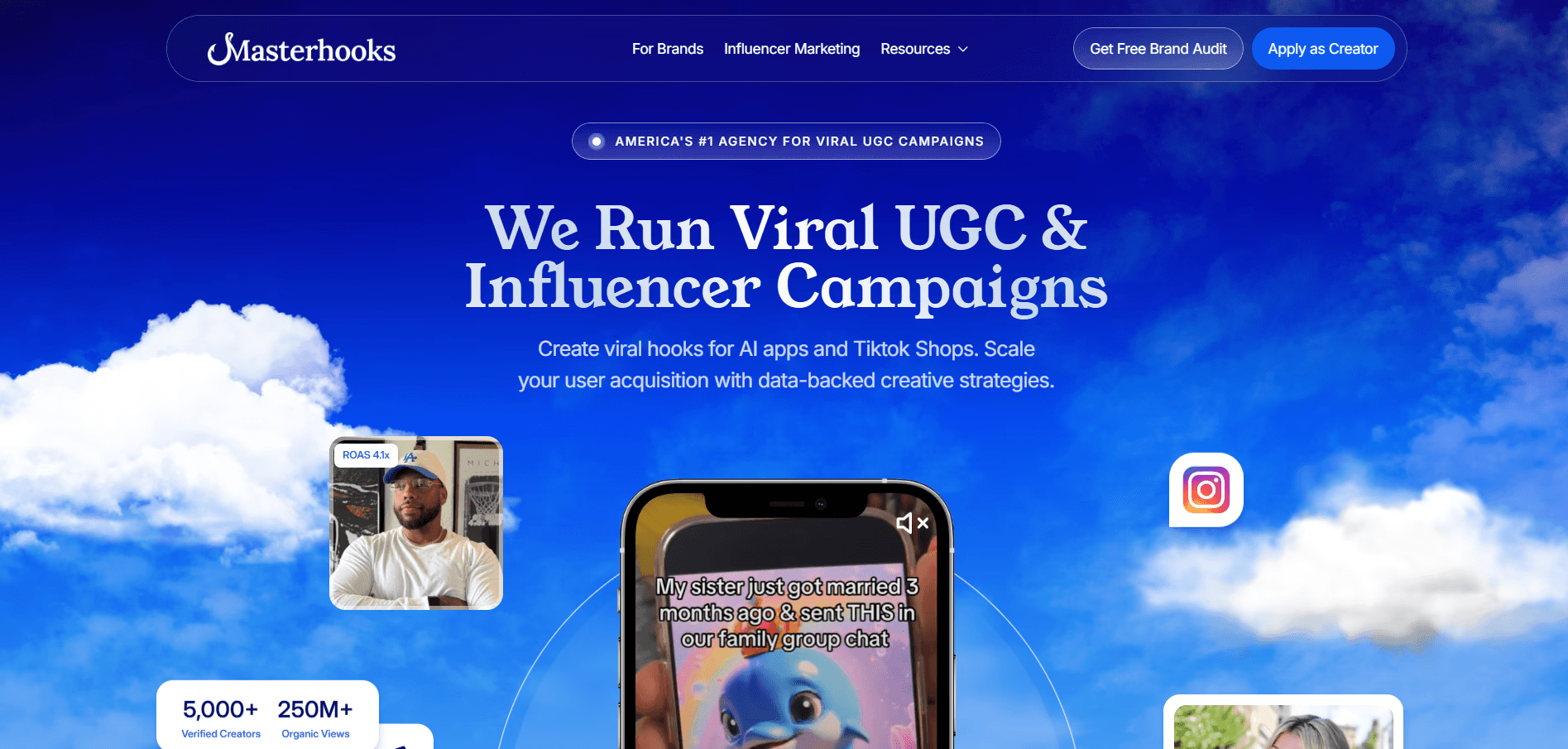
Model: Direct-response UGC with hook engineering at the core
Approach: Masterhooks builds content around conversion psychology rather than brand aesthetics. The team engineers hook variations, tests them against performance data, and iterate based on what actually moves CAC on Meta and TikTok. The focus is paid social performance, specifically for DTC brands and mobile apps where cost-per-install and cost-per-acquisition are the primary metrics.
Best for: App brands and DTC operators who need a content partner that treats creative as a performance variable, not a deliverable.
2. Quimby Digital
Model: Full-funnel strategic integration
Approach: Quimby integrates creator-led content into broader paid media strategies rather than treating UGC as a standalone deliverable. The agency is built for brands that need their content assets to connect with a larger omnichannel system.
Best for: Brands with existing paid media infrastructure that need a UGC partner who understands how content fits into the full funnel.
3. Brighter Click
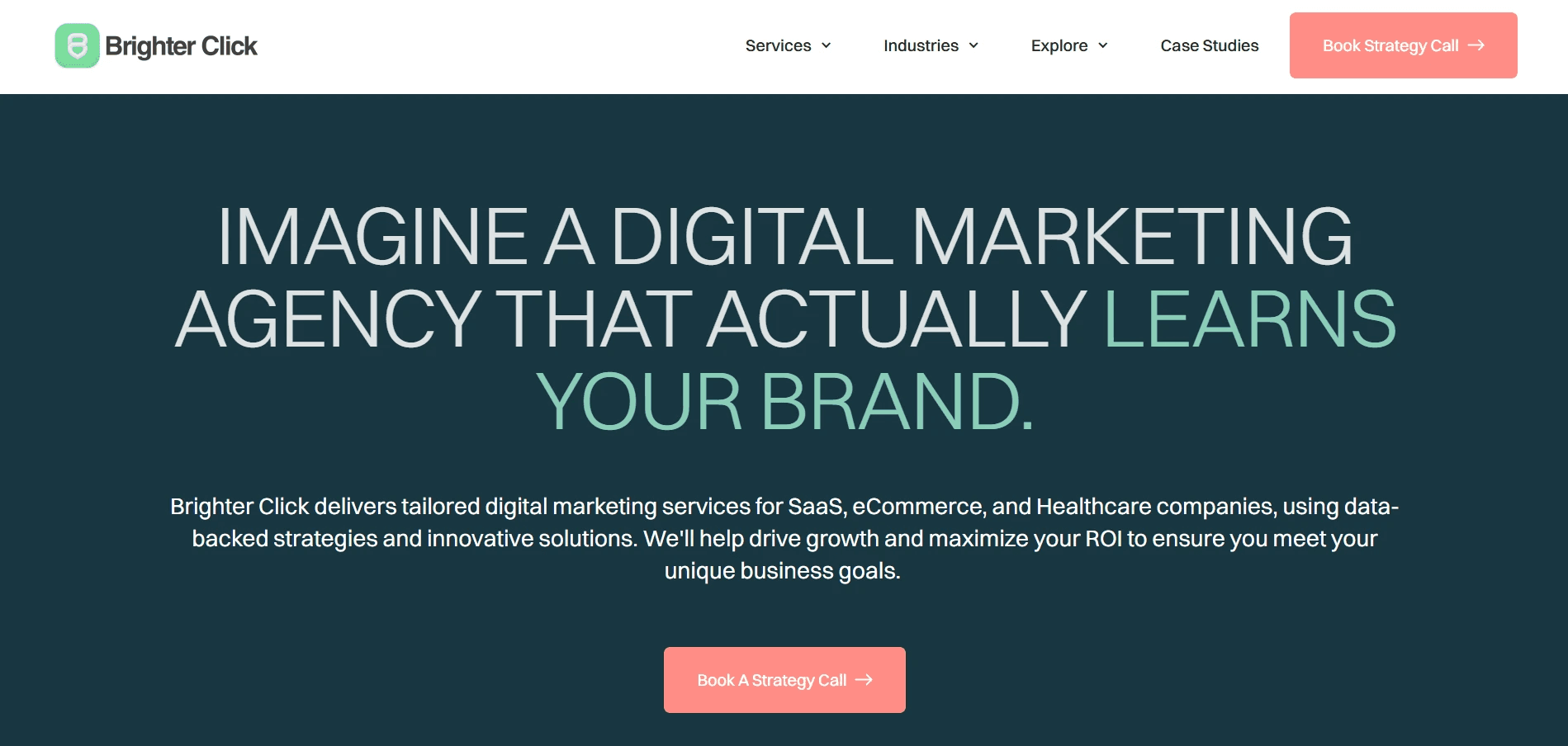
Model: Paid ads optimization with creator sourcing
Approach: Brighter Click is built almost entirely around paid social testing and iteration. Creator sourcing is data-driven, and the cadence of content production is tied directly to active ad testing cycles.
Best for: Performance teams running continuous paid social experiments who need creative production matched to their testing rhythm.
4. Minisocial
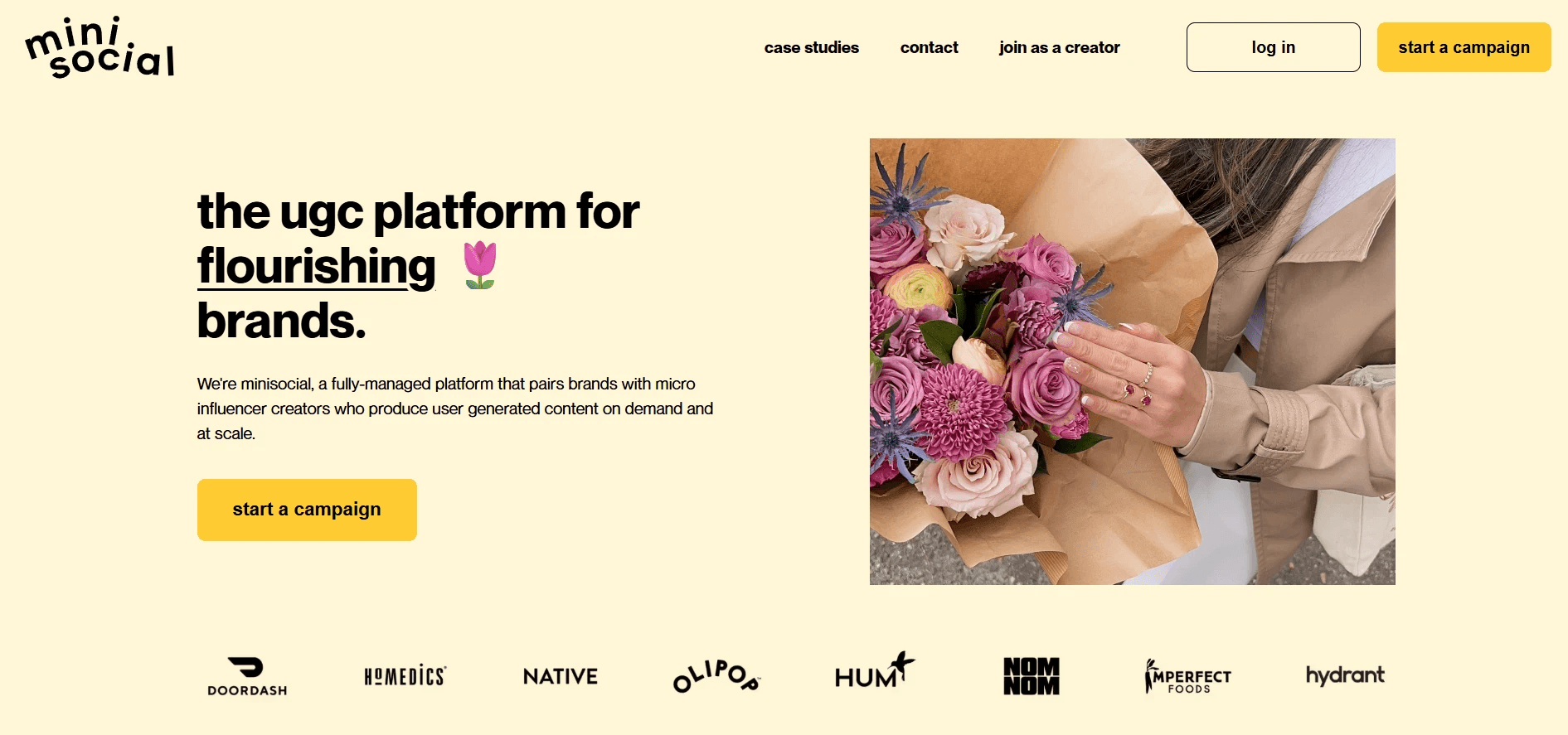
Model: Micro-influencer seeding at volume
Approach: Minisocial seeds physical products to dozens of micro-influencers simultaneously, generating a high volume of fully licensed lifestyle content. The content is authentic by design because the creators are genuinely using the product.
Best for: CPG and consumer goods brands that need top-of-funnel brand awareness content at scale.
5. The Social Savannah
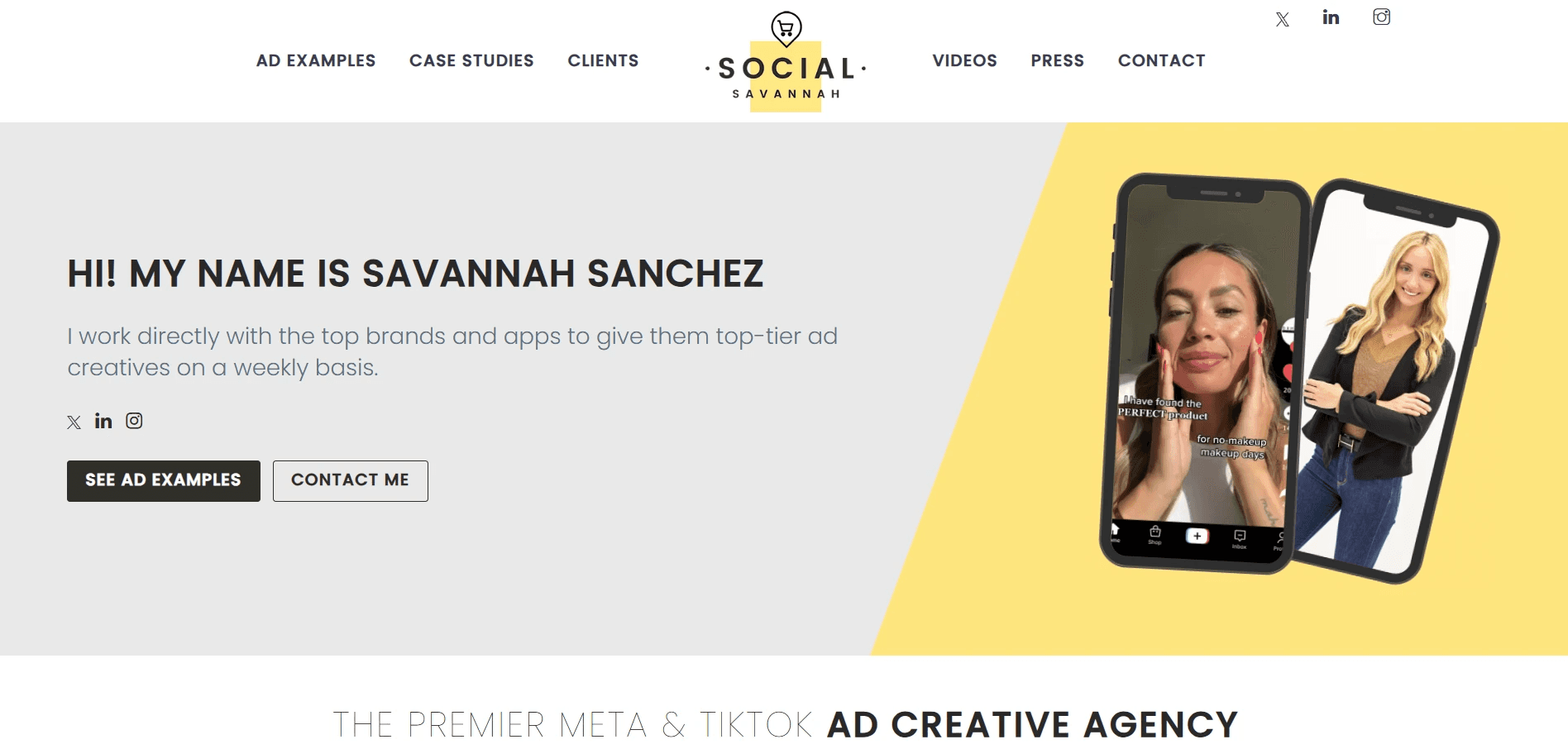
Model: Premium unboxing and product visual content
Approach: The Social Savannah specializes in tactile, sensory-driven content: unboxing videos, ASMR-adjacent product reveals, and visual hooks built around the physical experience of receiving and opening a product.
Best for: Established eCommerce brands with a strong physical product where the unboxing moment is part of the brand experience.
6. inBeat Agency
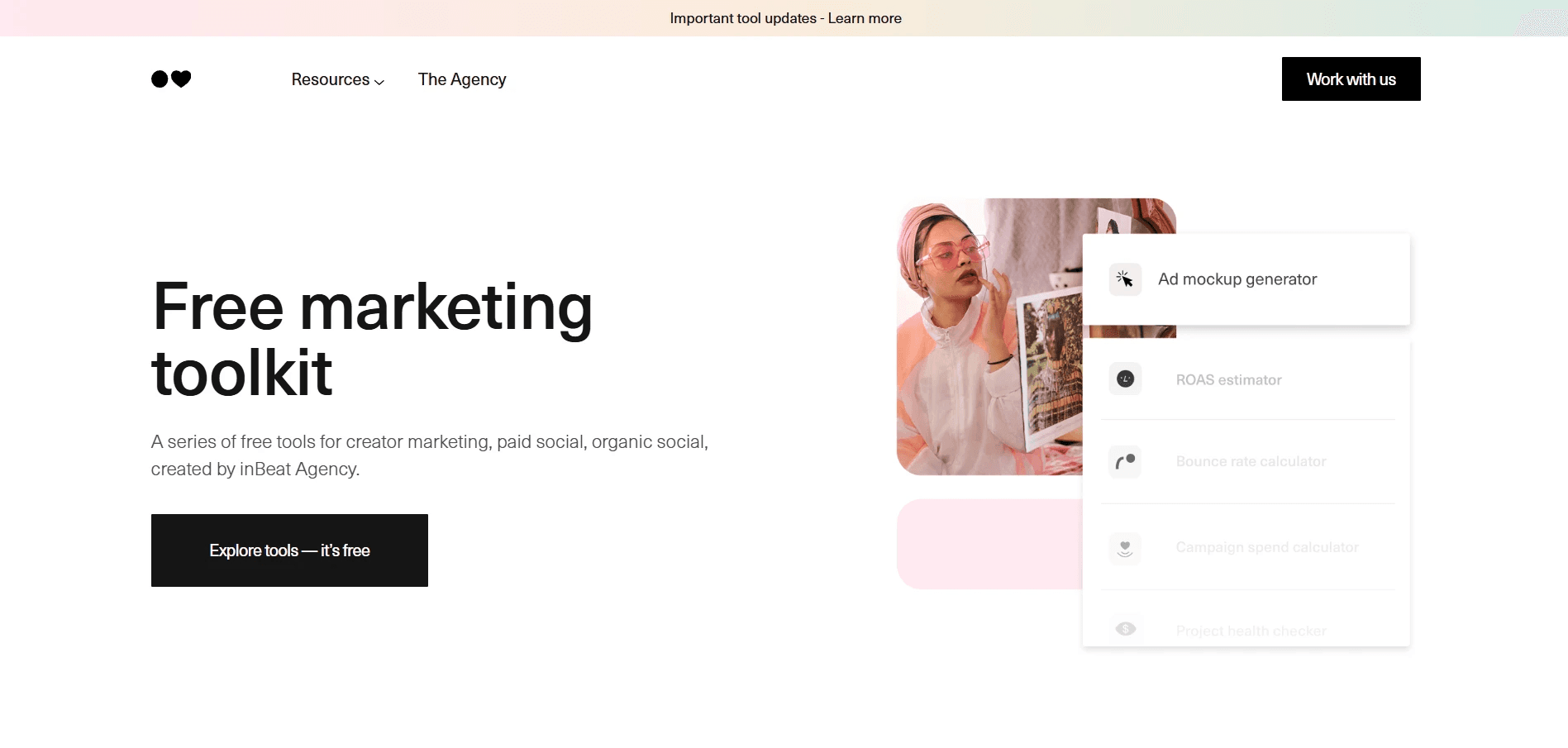
Model: Data-driven creator sourcing and matching
Approach: inBeat operates a large database of micro-influencers and UGC creators with detailed demographic and engagement data. The agency is built for precision matching rather than creative direction.
Best for: Brands with hyper-specific audience demographics who need creators that index accurately against a defined customer profile.
7. Cohley
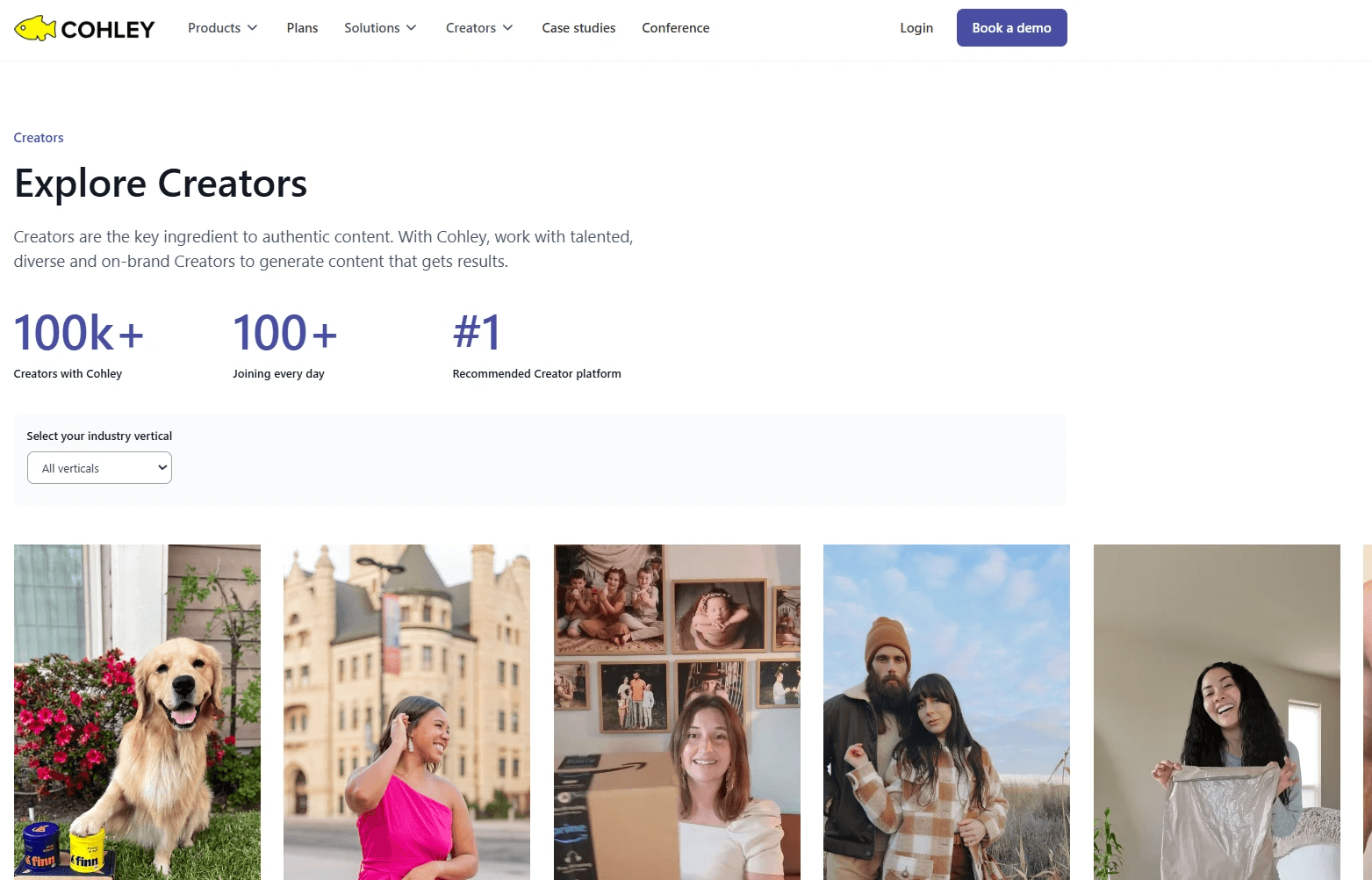
Model: Enterprise content infrastructure and asset management
Approach: Cohley built a software platform designed to manage large-scale content production for enterprise brands. The emphasis is on centralized asset management, rights management, and integration with existing marketing workflows.
Best for: Large retail brands managing thousands of creative assets across multiple channels and teams.
8. Trend.io
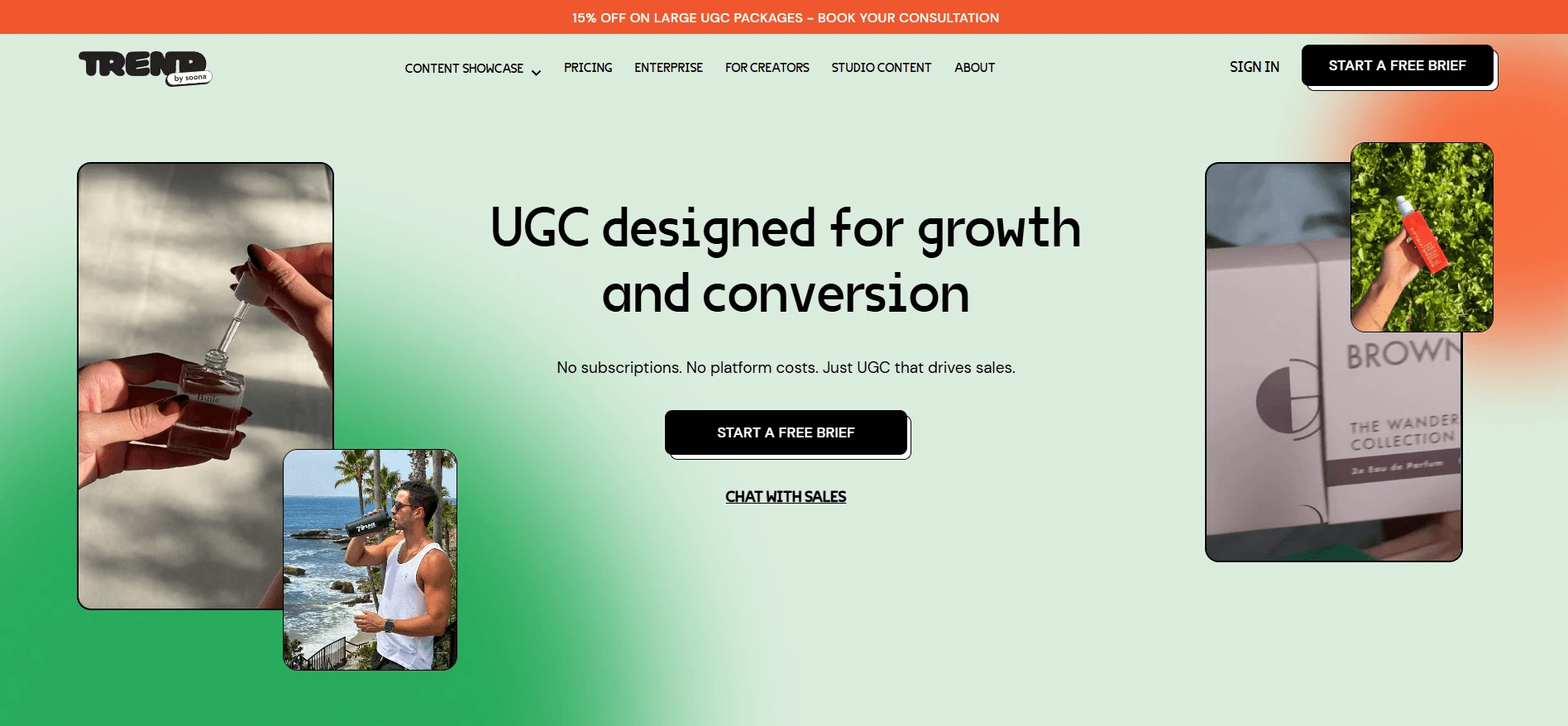
Model: Curated creator marketplace with a credit system
Approach: Trend.io uses a credit-based system to match brands with a network of over 3,700 curated creators. The model is built for speed and predictability rather than deep strategic partnership.
Best for: Lean marketing teams that need a reliable, repeatable way to build a content library without managing individual creator relationships.
9. Insense
Model: UGC production combined with influencer whitelisting
Approach: Insense combines content production with the ability to run whitelisted campaigns directly through creators' accounts. The platform functions as both a production tool and an influencer CRM.
Best for: Brands running large-scale whitelisting campaigns on Meta who need a centralized system to manage creator relationships and content rights.
10. Billo
Model: Self-serve, high-volume UGC marketplace
Approach: Billo is the most accessible entry point in the market. It's a self-serve platform where brands post a brief and receive video submissions quickly. The model prioritizes volume and speed over strategic direction or creative depth.
Best for: Early-stage startups or brands that need a fast way to generate raw video assets on a limited budget.
How to Choose
The agencies at the top of this list are built around performance and conversion. The ones lower down prioritize volume, speed, or asset management. Neither end is inherently better. It depends entirely on whether you need a strategic content partner or production infrastructure.
If your primary metric is ROAS or CAC and you're running paid social on Meta or TikTok, the decision criteria should start with who has experience optimizing for those specific outcomes, not who has the largest creator network.
Trying to figure out which model fits your brand? Masterhooks offers a free brand audit for you
Trying to figure out which model fits your brand? Masterhooks offers a free brand audit for you
Choosing the wrong one means either paying for raw video files that never get used in ads, or getting locked into a platform that doesn't match your production needs. This list is organized by model type so you can match the agency to what your brand actually needs, not just what sounds good in a sales call.
How to Read This List
No single agency is the best fit for every brand. The right choice depends on your stage, your channel mix, your product category, and whether you need strategic direction or execution capacity. Each entry below specifies the model, the approach, and the brand profile it fits best.
1. Masterhooks
Model: Direct-response UGC with hook engineering at the core
Approach: Masterhooks builds content around conversion psychology rather than brand aesthetics. The team engineers hook variations, tests them against performance data, and iterate based on what actually moves CAC on Meta and TikTok. The focus is paid social performance, specifically for DTC brands and mobile apps where cost-per-install and cost-per-acquisition are the primary metrics.
Best for: App brands and DTC operators who need a content partner that treats creative as a performance variable, not a deliverable.
2. Quimby Digital
Model: Full-funnel strategic integration
Approach: Quimby integrates creator-led content into broader paid media strategies rather than treating UGC as a standalone deliverable. The agency is built for brands that need their content assets to connect with a larger omnichannel system.
Best for: Brands with existing paid media infrastructure that need a UGC partner who understands how content fits into the full funnel.
3. Brighter Click
Model: Paid ads optimization with creator sourcing
Approach: Brighter Click is built almost entirely around paid social testing and iteration. Creator sourcing is data-driven, and the cadence of content production is tied directly to active ad testing cycles.
Best for: Performance teams running continuous paid social experiments who need creative production matched to their testing rhythm.
4. Minisocial
Model: Micro-influencer seeding at volume
Approach: Minisocial seeds physical products to dozens of micro-influencers simultaneously, generating a high volume of fully licensed lifestyle content. The content is authentic by design because the creators are genuinely using the product.
Best for: CPG and consumer goods brands that need top-of-funnel brand awareness content at scale.
5. The Social Savannah
Model: Premium unboxing and product visual content
Approach: The Social Savannah specializes in tactile, sensory-driven content: unboxing videos, ASMR-adjacent product reveals, and visual hooks built around the physical experience of receiving and opening a product.
Best for: Established eCommerce brands with a strong physical product where the unboxing moment is part of the brand experience.
6. inBeat Agency
Model: Data-driven creator sourcing and matching
Approach: inBeat operates a large database of micro-influencers and UGC creators with detailed demographic and engagement data. The agency is built for precision matching rather than creative direction.
Best for: Brands with hyper-specific audience demographics who need creators that index accurately against a defined customer profile.
7. Cohley
Model: Enterprise content infrastructure and asset management
Approach: Cohley built a software platform designed to manage large-scale content production for enterprise brands. The emphasis is on centralized asset management, rights management, and integration with existing marketing workflows.
Best for: Large retail brands managing thousands of creative assets across multiple channels and teams.
8. Trend.io
Model: Curated creator marketplace with a credit system
Approach: Trend.io uses a credit-based system to match brands with a network of over 3,700 curated creators. The model is built for speed and predictability rather than deep strategic partnership.
Best for: Lean marketing teams that need a reliable, repeatable way to build a content library without managing individual creator relationships.
9. Insense
Model: UGC production combined with influencer whitelisting
Approach: Insense combines content production with the ability to run whitelisted campaigns directly through creators' accounts. The platform functions as both a production tool and an influencer CRM.
Best for: Brands running large-scale whitelisting campaigns on Meta who need a centralized system to manage creator relationships and content rights.
10. Billo
Model: Self-serve, high-volume UGC marketplace
Approach: Billo is the most accessible entry point in the market. It's a self-serve platform where brands post a brief and receive video submissions quickly. The model prioritizes volume and speed over strategic direction or creative depth.
Best for: Early-stage startups or brands that need a fast way to generate raw video assets on a limited budget.
How to Choose
The agencies at the top of this list are built around performance and conversion. The ones lower down prioritize volume, speed, or asset management. Neither end is inherently better. It depends entirely on whether you need a strategic content partner or production infrastructure.
If your primary metric is ROAS or CAC and you're running paid social on Meta or TikTok, the decision criteria should start with who has experience optimizing for those specific outcomes, not who has the largest creator network.
Trying to figure out which model fits your brand? Masterhooks offers a free brand audit for you
Related Reading


Need help scaling?
Book a strategy call with our expert team to audit your current UGC setup.
Related Reading

How Marvel Built a 2.86 Billion Reach UGC Machine for Spider-Man: Brand New Day
Discover how Marvel generated 2.86 billion social reach for Spider-Man: Brand New Day using fan contests, brand partnerships, and emotional storytelling.
4 min
|
How Marvel Built a 2.86 Billion Reach UGC Machine for Spider-Man: Brand New Day
Discover how Marvel generated 2.86 billion social reach for Spider-Man: Brand New Day using fan contests, brand partnerships, and emotional storytelling.
4 min
|

How Latin America Became Spain's UGC Army at the World Cup Final
Spain won the World Cup, but its biggest advantage was millions of unpaid creators. Learn why emotional stakes generate stronger UGC than budgets.
2 min
|
How Latin America Became Spain's UGC Army at the World Cup Final
Spain won the World Cup, but its biggest advantage was millions of unpaid creators. Learn why emotional stakes generate stronger UGC than budgets.
2 min
|
House of Marketers Alternative for DTC Brands
House of Marketers is strong for organic reach. But if your primary metric is CAC on paid social here's what the difference looks like in practice.
2 min
|
House of Marketers Alternative for DTC Brands
House of Marketers is strong for organic reach. But if your primary metric is CAC on paid social here's what the difference looks like in practice.
2 min
|