



AI-Generated UGC vs. Human UGC: What Brands Need to Know Before Choosing
AI-Generated UGC vs. Human UGC: What Brands Need to Know Before Choosing
AI UGC is cheaper and faster. Human UGC converts better. Here's the honest breakdown of when to use each — and why the best brands are combining both.
Published:

Read Time:

5 min

Written by:
Fawwaz
Trend Research and Copywriter
CHEAP CONTENT ISN'T ALWAYS CHEAPER
The true cost of content is not what you pay to create it. It's what you pay to generate a conversion.
CHEAP CONTENT ISN'T ALWAYS CHEAPER
The true cost of content is not what you pay to create it. It's what you pay to generate a conversion.
CHEAP CONTENT ISN'T ALWAYS CHEAPER
The true cost of content is not what you pay to create it. It's what you pay to generate a conversion.
Both formats have genuine strengths. Both have real limitations. The brands making the most effective use of each are the ones who understand which layer of the funnel each one is actually suited for.
What AI-Generated UGC Can and Cannot Do
User-generated content (UGC) refers to synthetic videos created by AI avatars that mimic human creators, or original footage that has been heavily edited, scripted, and fully voiced by artificial intelligence.
Since AI UGC is created almost entirely using AI, the production process is faster and capable of producing a greater volume of content. Here is a more detailed look at the advantages and disadvantages of AI UGC
Advantages
Unmatched Speed and Scale
AI can boost the efficiency of UGC content production by generating dozens of video variations in a matter of minutes. Since AI does not have energy limitation, it can create dozens or even hundreds of pieces of content instantly.Cost Efficiency
Recent data shows that producing AI-generated videos can cost as little as $2 to $12, compared to the industry average of $150 to $300 for a single video created by a human creator.Seamless Localization
Current advancements in AI allow creators to produce ads in different languages, such as Spanish, German, Japanese, and various other languages around the world. Sophisticated AI features support this production by translating speech and synchronizing lip movements with a single click.
Disadvantages
The "Uncanny Valley"
While the technology is impressive, consumers are becoming hyper-aware of AI. Synthetic avatars often lack the micro-expressions, breathing patterns, and genuine emotional nuances of a real person.Trust Deficit
A recent industry study highlighted that while AI content is cheap, consumer trust levels for AI-generated product reviews hover around 63%, compared to 84% for human-created UGC.
Advantages
Unmatched Speed and Scale
AI can boost the efficiency of UGC content production by generating dozens of video variations in a matter of minutes. Since AI does not have energy limitation, it can create dozens or even hundreds of pieces of content instantly.Cost Efficiency
Recent data shows that producing AI-generated videos can cost as little as $2 to $12, compared to the industry average of $150 to $300 for a single video created by a human creator.Seamless Localization
Current advancements in AI allow creators to produce ads in different languages, such as Spanish, German, Japanese, and various other languages around the world. Sophisticated AI features support this production by translating speech and synchronizing lip movements with a single click.
Disadvantages
The "Uncanny Valley"
While the technology is impressive, consumers are becoming hyper-aware of AI. Synthetic avatars often lack the micro-expressions, breathing patterns, and genuine emotional nuances of a real person.Trust Deficit
A recent industry study highlighted that while AI content is cheap, consumer trust levels for AI-generated product reviews hover around 63%, compared to 84% for human-created UGC.
What Human UGC Does That AI Cannot Replicate
Human-generated user-generated content (UGC) is so named because it is created entirely by real people who record testimonials, unbox products, or review items as requested by brands.
Human UGC can be effective because viewers are more likely to trust experiences shared by creators which the viewers perceive as authentic. Here are some of the advantages and disadvantages of Human UGC:
Advantages
Emotional Connection
When creators express genuine emotions such as happiness, frustration, or relief, viewers’ empathy is triggered, encouraging them to watch the video in its entiretyHigher ROAS for Core Conversions
While AI-generated UGC is more cost-effective to produce, human-generated UGC performs better at driving conversions. This is because human UGC provides more authentic validation, giving consumers greater confidence when making a purchase.Authentic Platform Fit
Authentic UGC features cluttered backgrounds, ambient noise, and natural lighting. It is these imperfections that allow it to blend seamlessly into organic TikTok or Instagram Reels feeds, making it feel less like an ad.
Disadvantages
Slower Production
Finding creators, shipping physical products, and waiting for footage takes weeks, not minutes.Higher Upfront Costs
Paying premium creators requires a larger initial testing budget before finding ads that work.
Advantages
Emotional Connection
When creators express genuine emotions such as happiness, frustration, or relief, viewers’ empathy is triggered, encouraging them to watch the video in its entiretyHigher ROAS for Core Conversions
While AI-generated UGC is more cost-effective to produce, human-generated UGC performs better at driving conversions. This is because human UGC provides more authentic validation, giving consumers greater confidence when making a purchase.Authentic Platform Fit
Authentic UGC features cluttered backgrounds, ambient noise, and natural lighting. It is these imperfections that allow it to blend seamlessly into organic TikTok or Instagram Reels feeds, making it feel less like an ad.
Disadvantages
Slower Production
Finding creators, shipping physical products, and waiting for footage takes weeks, not minutes.Higher Upfront Costs
Paying premium creators requires a larger initial testing budget before finding ads that work.
How the Best Brands Are Using Both
The most effective brands in 2026 aren't choosing between AI and human UGC. They're using each one where it's actually suited.
AI for Scripting and Ideation Brands use AI to rapidly generate 50 different marketing hooks and script variations based on competitor data. |
AI for Top-of-Funnel Testing Some brands use cheap AI avatars to run micro-budget A/B tests on those 50 hooks. |
Humans for the Final Asset Once the data reveals the top 3 highest-converting hooks, the brand hires a real human creator to film those specific scripts, injecting the necessary emotion and authenticity to scale the ad with a massive budget. |
AI for Post-Production The human footage is then edited using AI tools to auto-generate dynamic captions, fast-cut transitions, and trending audio overlays. |
A Practical Framework for Deciding Which to Use
The right choice depends on the funnel stage and how much trust the content needs to build.

For top-of-funnel content, AI can be a cost-effective way to generate reach and test multiple creative variations. At this stage, the goal is attention, so the trust requirement is relatively low.
For bottom-of-funnel content, trust becomes much more important. Human UGC is often the better choice because viewers are more likely to trust recommendations from real people when making a purchase decision.
For localization, AI fills an important gap. Brands can take a winning human-created asset and quickly adapt it for different languages and markets without the cost of re-filming.
Trying to figure out the right creative mix for your brand's current stage and funnel?

Trying to figure out the right creative mix for your brand's current stage and funnel?
Both formats have genuine strengths. Both have real limitations. The brands making the most effective use of each are the ones who understand which layer of the funnel each one is actually suited for.
What AI-Generated UGC Can and Cannot Do
User-generated content (UGC) refers to synthetic videos created by AI avatars that mimic human creators, or original footage that has been heavily edited, scripted, and fully voiced by artificial intelligence.
Since AI UGC is created almost entirely using AI, the production process is faster and capable of producing a greater volume of content. Here is a more detailed look at the advantages and disadvantages of AI UGC
Advantages
Unmatched Speed and Scale
AI can boost the efficiency of UGC content production by generating dozens of video variations in a matter of minutes. Since AI does not have energy limitation, it can create dozens or even hundreds of pieces of content instantly.Cost Efficiency
Recent data shows that producing AI-generated videos can cost as little as $2 to $12, compared to the industry average of $150 to $300 for a single video created by a human creator.Seamless Localization
Current advancements in AI allow creators to produce ads in different languages, such as Spanish, German, Japanese, and various other languages around the world. Sophisticated AI features support this production by translating speech and synchronizing lip movements with a single click.
Disadvantages
The "Uncanny Valley"
While the technology is impressive, consumers are becoming hyper-aware of AI. Synthetic avatars often lack the micro-expressions, breathing patterns, and genuine emotional nuances of a real person.Trust Deficit
A recent industry study highlighted that while AI content is cheap, consumer trust levels for AI-generated product reviews hover around 63%, compared to 84% for human-created UGC.
What Human UGC Does That AI Cannot Replicate
Human-generated user-generated content (UGC) is so named because it is created entirely by real people who record testimonials, unbox products, or review items as requested by brands.
Human UGC can be effective because viewers are more likely to trust experiences shared by creators which the viewers perceive as authentic. Here are some of the advantages and disadvantages of Human UGC:
Advantages
Emotional Connection
When creators express genuine emotions such as happiness, frustration, or relief, viewers’ empathy is triggered, encouraging them to watch the video in its entiretyHigher ROAS for Core Conversions
While AI-generated UGC is more cost-effective to produce, human-generated UGC performs better at driving conversions. This is because human UGC provides more authentic validation, giving consumers greater confidence when making a purchase.Authentic Platform Fit
Authentic UGC features cluttered backgrounds, ambient noise, and natural lighting. It is these imperfections that allow it to blend seamlessly into organic TikTok or Instagram Reels feeds, making it feel less like an ad.
Disadvantages
Slower Production
Finding creators, shipping physical products, and waiting for footage takes weeks, not minutes.Higher Upfront Costs
Paying premium creators requires a larger initial testing budget before finding ads that work.
How the Best Brands Are Using Both
The most effective brands in 2026 aren't choosing between AI and human UGC. They're using each one where it's actually suited.
AI for Scripting and Ideation Brands use AI to rapidly generate 50 different marketing hooks and script variations based on competitor data. |
AI for Top-of-Funnel Testing Some brands use cheap AI avatars to run micro-budget A/B tests on those 50 hooks. |
Humans for the Final Asset Once the data reveals the top 3 highest-converting hooks, the brand hires a real human creator to film those specific scripts, injecting the necessary emotion and authenticity to scale the ad with a massive budget. |
AI for Post-Production The human footage is then edited using AI tools to auto-generate dynamic captions, fast-cut transitions, and trending audio overlays. |
A Practical Framework for Deciding Which to Use
The right choice depends on the funnel stage and how much trust the content needs to build.
For top-of-funnel content, AI can be a cost-effective way to generate reach and test multiple creative variations. At this stage, the goal is attention, so the trust requirement is relatively low.
For bottom-of-funnel content, trust becomes much more important. Human UGC is often the better choice because viewers are more likely to trust recommendations from real people when making a purchase decision.
For localization, AI fills an important gap. Brands can take a winning human-created asset and quickly adapt it for different languages and markets without the cost of re-filming.
Trying to figure out the right creative mix for your brand's current stage and funnel?
Related Reading
Related Reading

What Is a UGC Hook? And How Is It Different From a Regular Hook?
6 min
|
What Is a UGC Hook? And How Is It Different From a Regular Hook?
Learn what a UGC hook is, why it's different from regular content hooks, and discover six proven hook types with examples for higher-performing UGC.
6 min
|

What The Odyssey and Spider-Man: Brand New Day Have in Common (Besides Tom Holland and Zendaya)
4 min
|
What The Odyssey and Spider-Man: Brand New Day Have in Common (Besides Tom Holland and Zendaya)
Learn how The Odyssey and Spider-Man: Brand New Day used opposite marketing strategies to generate massive organic UGC and audience engagement.
4 min
|

The Odyssey's Marketing Playbook: What Brands Can Learn From a $264M Opening
4 min
|
The Odyssey's Marketing Playbook: What Brands Can Learn From a $264M Opening
Learn how The Odyssey used scarcity, exclusive IMAX experiences, and FOMO to drive a $264M opening and millions of dollars in earned media.
4 min
|



Need help scaling?
Book a strategy call with our expert team to audit your current UGC setup.
More Articles
More Articles
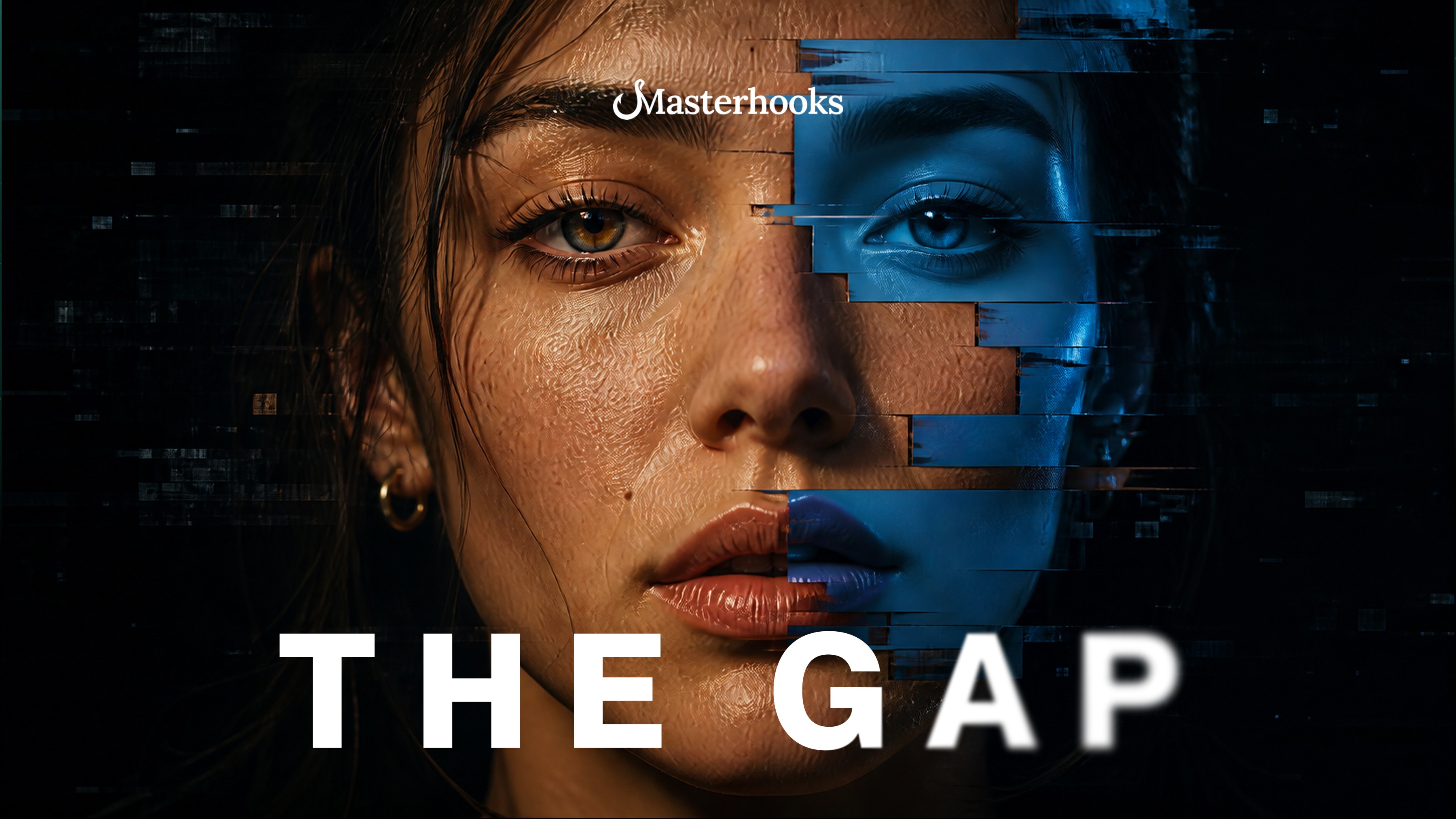
The Authenticity Gap is Widening: Why the Value of Human Content is Skyrocketing
AI content is flooding every feed — and audiences can tell. Here's why human-made UGC is now a premium differentiator and how smart brands are using both.
5 min
|
The Authenticity Gap is Widening: Why the Value of Human Content is Skyrocketing
AI content is flooding every feed — and audiences can tell. Here's why human-made UGC is now a premium differentiator and how smart brands are using both.
5 min
|

Top 10 Best UGC Agencies in America (2026)
We ranked the top 10 UGC agencies in the US by model type creator quality and paid social performance. See who made the cut and why.
7 min
|
Top 10 Best UGC Agencies in America (2026)
We ranked the top 10 UGC agencies in the US by model type creator quality and paid social performance. See who made the cut and why.
7 min
|