




Trends
What Is a Content Pillar? (And How to Build One That Actually Works for UGC)
What Is a Content Pillar? (And How to Build One That Actually Works for UGC)
Learn what a content pillar is, why it matters for UGC, and how to build a practical content pillar strategy with creator briefs and real examples.
Published:

Read Time:

4 min

Written by:
Fawwaz
Trend Research and Copywriter
ONE CONTENT PILLAR CAN GUIDE MANY DIFFERENT CREATOR VIDEOS.
Content pillars give brands recurring themes to develop across multiple creator videos. In a UGC strategy, they help creators address related audience needs while bringing their own experiences, hooks, and filming styles.
ONE CONTENT PILLAR CAN GUIDE MANY DIFFERENT CREATOR VIDEOS.
Content pillars give brands recurring themes to develop across multiple creator videos. In a UGC strategy, they help creators address related audience needs while bringing their own experiences, hooks, and filming styles.
ONE CONTENT PILLAR CAN GUIDE MANY DIFFERENT CREATOR VIDEOS.
Content pillars give brands recurring themes to develop across multiple creator videos. In a UGC strategy, they help creators address related audience needs while bringing their own experiences, hooks, and filming styles.
Without that shared direction, a content library can become a collection of disconnected videos. A practical framework connects each pillar to an audience need, gives creators room to interpret it, and defines how the resulting content will be evaluated.
In this guide, you'll learn what a content pillar is, how to build a practical content pillar strategy, and see content pillar examples you can adapt for your UGC strategy.
What Is a Content Pillar?
A content pillar is a recurring topic or theme that a brand uses to organize its content. It defines what the content covers, while the objective defines what that content should achieve. For example, a skincare brand might use four pillars:
Content Pillar | What It Covers |
Education | Ingredient science and skincare tips |
Real Results | Customer experiences and product demonstrations |
Community | Customer stories and shared routines |
Behind the Brand | Product development and brand values |
These pillars give the brand a consistent direction, regardless of how many creators contribute.
Content Pillars vs. Content Formats
People often have trouble distinguishing between content pillars and content formats. To make it simple, a pillar determines the recurring subject or perspective, while a format determines how that subject is presented. For example:
Pillar: Education
Angle: Why your skin feels dry after cleansing
Format: Talking-head TikTok
Hook: "Your cleanser might be the reason your skin feels tight."
The same educational pillar could also become a GRWM video, product demonstration, or short experiment. This distinction is particularly useful for UGC because creators can explore different formats while working toward the same objective.

These choices become an individual video when the creator combines the angle, format, hook, and their own explanation.
Why Content Pillars Matter More When Working With UGC Creators
Imagine briefing five creators to promote the same skincare product. Without a shared framework, they might all create similar reviews or communicate completely different messages. Content pillars solve this by giving creators defined themes to explore while keeping the brand's content consistent.
That consistency also matters to consumers. According to Sprout Social's 2026 Content Strategy Report, 64% of consumers rate brands positively for producing content aligned with their brand values. Content pillars help maintain that alignment as more creators become involved.
Pillars also give teams a way to group videos for creative testing. Compare executions with similar objectives and distribution conditions, then look for patterns across several videos. One strong result can reflect the creator, hook, or format as much as the pillar itself.
Content Pillar Strategy: How to Build it for Your UGC
Build your content pillar strategy by identifying audience needs, testing how creators can interpret each theme, and assigning a measurable objective.
Step 1: Start With Audience Pain Points
Begin by listing your customers’ questions, frustrations, and motivations. Use those audience needs to choose your themes before deciding which product features each video should highlight. For example, a skincare brand might identify these audience needs:
Audience Need | Potential Pillar |
"I don't understand which ingredients I need." | Education |
"Does this product actually work?" | Real Results |
"How do other people use this?" | Community |
"Can I trust this brand?" | Behind the Brand |
Each pillar now addresses an audience need. That gives creators a clearer starting point for choosing what to explain, demonstrate, or discuss.
Step 2: Test Whether Creators Can Interpret It Differently
A useful UGC pillar should be broad enough for different creators to interpret in their own way while staying on-brand. A simple test is to ask: “Could three different creators execute this pillar differently while still supporting the same theme?”
For an Education pillar, one creator might explain an ingredient through a talking-head video, another could demonstrate it during a morning routine, and another could address common skincare misconceptions. If every creator needs the same script to stay within the pillar, the direction may be too restrictive.
Step 3: Define How Each Pillar Will Be Evaluated
Give each pillar a primary role in the strategy, then choose metrics for the individual videos based on their intended use. The same theme can support different objectives across organic posts and paid ads.
Content Objective | Suggested Metrics |
Awareness | Views, reach, hook rate |
Education | Watch time, completion rate, saves |
Conversion | CTR, CPA, conversion rate |
Community | Shares, comments, participation |
These metrics are starting points. A customer story published to encourage discussion might prioritize comments and participation, while a version used in a paid conversion campaign might prioritize CPA and conversion rate. Evaluate the video against its intended role before comparing performance across pillars.
Content Pillar Examples for Three Brand Types
The easiest way to understand content pillars is to see how they translate into actual creator briefs. Here are three ready-to-use frameworks:
1. DTC Skincare Brand
Content Pillar | Sample UGC Brief Direction |
Education | Explain one common skincare misconception using your personal routine. |
Real Results | Document your genuine product experience over a defined period. |
Community | Share a skincare habit you learned from someone else. |
Behind the Brand | Explain why the brand chose one ingredient, using information supplied by the product team. |
Example hook: "I wish someone explained this ingredient to me earlier."
UGC example: An educational skincare video can turn the Education pillar into a simple routine-based explanation. In this YouTube Short, BeBeautiful walks viewers through repairing the skin barrier using cleansing, moisturizing, and protection as the creative format.
For results-focused content, creators should document genuine experiences and avoid unsupported efficacy claims.
2. Mobile App
Content Pillar | Sample UGC Brief Direction |
Practical Education | Demonstrate how to complete one specific task using the app. |
Use Case Stories | Show how the app fits into your actual daily workflow. |
Social Proof | Share a genuine experience or verified customer feedback. |
Feature Spotlights | Introduce one useful feature through a relatable problem. |
Example hook: "Here's how I organize my entire week in under five minutes."
UGC example: A Tutorials / How-Tos pillar can focus each video on solving one specific task. This CapCut tutorial, for example, shows viewers how to create a zoom effect in the app rather than walking through every available feature.

This structure helps the brand demonstrate different use cases without repeatedly publishing generic app walkthroughs.
3. Food & Beverage Brand
Content Pillar | Sample UGC Brief Direction |
Recipes / Usage | Create a simple recipe using the product. |
Lifestyle Context | Show when you naturally enjoy the product throughout your day. |
Customer Love | Share your genuine favorite way to consume the product. |
Origin Story | Explore an interesting detail about the product's ingredients or background. |
Example hook: "Three ways I've been using this in my breakfast lately."
UGC example: Lifestyle content can position a food or beverage product within a specific moment of the creator's day. For example, a creator might show a matcha drink as part of their pre-workout or workday routine, making the product relevant through context rather than a standalone product demonstration.
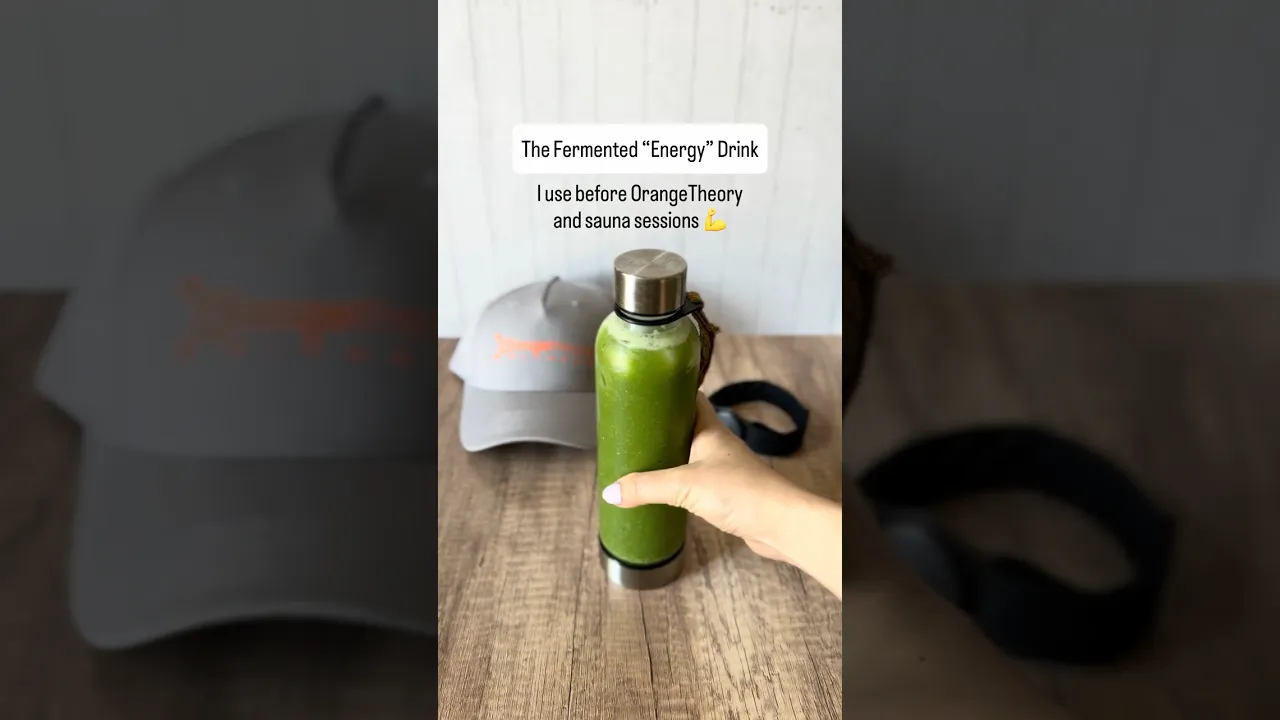
The creator can interpret each direction through their personal preferences, helping the brand develop a more varied content library.
Turn Your Content Pillars Into a Creator Brief
Once your content pillars are established, turn them into a simple briefing framework that helps creators understand the intended message and audience need while giving them freedom to decide how to execute the content. Use this copy-and-paste template:
Brief Element | What to Include | Example |
Content Pillar | Which recurring theme does this video support? | Education |
Audience Pain Point | What question or problem should it address? | Skin feels tight after cleansing |
Creative Angle | Which specific question or perspective will this video explore? | Why skin can feel tight after cleansing |
Content Format | How will the creator present the idea? | Talking-head explanation with routine footage |
Creative Direction | What should the creator demonstrate or discuss? | Explain possible causes through your cleansing routine |
Key Message | What should viewers understand afterward? | Help viewers understand what may contribute to post-cleansing tightness |
Creative Freedom | Which elements can the creator interpret personally? | Choose your own opening hook, wording, and supporting footage |
Success Metric | How will the video be evaluated? | Watch time and saves |
Use the same briefing structure across creators, then record the pillar, angle, and format alongside each delivered video. This makes the content library easier to review when deciding what to test next.
How Many Content Pillars Should a Brand Have?Three to five content pillars can be a practical starting point for a UGC strategy, depending on the audience needs and production capacity. Choose a manageable set, test several creator executions within each pillar, and review the results after a few production cycles. Combine themes that repeatedly address the same need, and add a new pillar when an important customer question remains uncovered. |
Build Consistency Without Losing the Creator's Voice
The real value of content pillars becomes clear when a brand produces UGC consistently. Creators get clearer briefs, the content library becomes more cohesive, and marketing teams can identify which recurring themes deserve more investment.

Masterhooks connects audience research, creator briefing, and performance-led content development to help brands build a more focused UGC library. A useful pillar gives the next creator a clear starting point and gives the marketing team a theme worth evaluating across multiple executions.
Want to turn your content pillars into clearer creator briefs and a more focused UGC strategy?

Want to turn your content pillars into clearer creator briefs and a more focused UGC strategy?
Without that shared direction, a content library can become a collection of disconnected videos. A practical framework connects each pillar to an audience need, gives creators room to interpret it, and defines how the resulting content will be evaluated.
In this guide, you'll learn what a content pillar is, how to build a practical content pillar strategy, and see content pillar examples you can adapt for your UGC strategy.
What Is a Content Pillar?
A content pillar is a recurring topic or theme that a brand uses to organize its content. It defines what the content covers, while the objective defines what that content should achieve. For example, a skincare brand might use four pillars:
Content Pillar | What It Covers |
Education | Ingredient science and skincare tips |
Real Results | Customer experiences and product demonstrations |
Community | Customer stories and shared routines |
Behind the Brand | Product development and brand values |
These pillars give the brand a consistent direction, regardless of how many creators contribute.
Content Pillars vs. Content Formats
People often have trouble distinguishing between content pillars and content formats. To make it simple, a pillar determines the recurring subject or perspective, while a format determines how that subject is presented. For example:
Pillar: Education
Angle: Why your skin feels dry after cleansing
Format: Talking-head TikTok
Hook: "Your cleanser might be the reason your skin feels tight."
The same educational pillar could also become a GRWM video, product demonstration, or short experiment. This distinction is particularly useful for UGC because creators can explore different formats while working toward the same objective.
These choices become an individual video when the creator combines the angle, format, hook, and their own explanation.
Why Content Pillars Matter More When Working With UGC Creators
Imagine briefing five creators to promote the same skincare product. Without a shared framework, they might all create similar reviews or communicate completely different messages. Content pillars solve this by giving creators defined themes to explore while keeping the brand's content consistent.
That consistency also matters to consumers. According to Sprout Social's 2026 Content Strategy Report, 64% of consumers rate brands positively for producing content aligned with their brand values. Content pillars help maintain that alignment as more creators become involved.
Pillars also give teams a way to group videos for creative testing. Compare executions with similar objectives and distribution conditions, then look for patterns across several videos. One strong result can reflect the creator, hook, or format as much as the pillar itself.
Content Pillar Strategy: How to Build it for Your UGC
Build your content pillar strategy by identifying audience needs, testing how creators can interpret each theme, and assigning a measurable objective.
Step 1: Start With Audience Pain Points
Begin by listing your customers’ questions, frustrations, and motivations. Use those audience needs to choose your themes before deciding which product features each video should highlight. For example, a skincare brand might identify these audience needs:
Audience Need | Potential Pillar |
"I don't understand which ingredients I need." | Education |
"Does this product actually work?" | Real Results |
"How do other people use this?" | Community |
"Can I trust this brand?" | Behind the Brand |
Each pillar now addresses an audience need. That gives creators a clearer starting point for choosing what to explain, demonstrate, or discuss.
Step 2: Test Whether Creators Can Interpret It Differently
A useful UGC pillar should be broad enough for different creators to interpret in their own way while staying on-brand. A simple test is to ask: “Could three different creators execute this pillar differently while still supporting the same theme?”
For an Education pillar, one creator might explain an ingredient through a talking-head video, another could demonstrate it during a morning routine, and another could address common skincare misconceptions. If every creator needs the same script to stay within the pillar, the direction may be too restrictive.
Step 3: Define How Each Pillar Will Be Evaluated
Give each pillar a primary role in the strategy, then choose metrics for the individual videos based on their intended use. The same theme can support different objectives across organic posts and paid ads.
Content Objective | Suggested Metrics |
Awareness | Views, reach, hook rate |
Education | Watch time, completion rate, saves |
Conversion | CTR, CPA, conversion rate |
Community | Shares, comments, participation |
These metrics are starting points. A customer story published to encourage discussion might prioritize comments and participation, while a version used in a paid conversion campaign might prioritize CPA and conversion rate. Evaluate the video against its intended role before comparing performance across pillars.
Content Pillar Examples for Three Brand Types
The easiest way to understand content pillars is to see how they translate into actual creator briefs. Here are three ready-to-use frameworks:
1. DTC Skincare Brand
Content Pillar | Sample UGC Brief Direction |
Education | Explain one common skincare misconception using your personal routine. |
Real Results | Document your genuine product experience over a defined period. |
Community | Share a skincare habit you learned from someone else. |
Behind the Brand | Explain why the brand chose one ingredient, using information supplied by the product team. |
Example hook: "I wish someone explained this ingredient to me earlier."
UGC example: An educational skincare video can turn the Education pillar into a simple routine-based explanation. In this YouTube Short, BeBeautiful walks viewers through repairing the skin barrier using cleansing, moisturizing, and protection as the creative format.
For results-focused content, creators should document genuine experiences and avoid unsupported efficacy claims.
2. Mobile App
Content Pillar | Sample UGC Brief Direction |
Practical Education | Demonstrate how to complete one specific task using the app. |
Use Case Stories | Show how the app fits into your actual daily workflow. |
Social Proof | Share a genuine experience or verified customer feedback. |
Feature Spotlights | Introduce one useful feature through a relatable problem. |
Example hook: "Here's how I organize my entire week in under five minutes."
UGC example: A Tutorials / How-Tos pillar can focus each video on solving one specific task. This CapCut tutorial, for example, shows viewers how to create a zoom effect in the app rather than walking through every available feature.
This structure helps the brand demonstrate different use cases without repeatedly publishing generic app walkthroughs.
3. Food & Beverage Brand
Content Pillar | Sample UGC Brief Direction |
Recipes / Usage | Create a simple recipe using the product. |
Lifestyle Context | Show when you naturally enjoy the product throughout your day. |
Customer Love | Share your genuine favorite way to consume the product. |
Origin Story | Explore an interesting detail about the product's ingredients or background. |
Example hook: "Three ways I've been using this in my breakfast lately."
UGC example: Lifestyle content can position a food or beverage product within a specific moment of the creator's day. For example, a creator might show a matcha drink as part of their pre-workout or workday routine, making the product relevant through context rather than a standalone product demonstration.
The creator can interpret each direction through their personal preferences, helping the brand develop a more varied content library.
Turn Your Content Pillars Into a Creator Brief
Once your content pillars are established, turn them into a simple briefing framework that helps creators understand the intended message and audience need while giving them freedom to decide how to execute the content. Use this copy-and-paste template:
Brief Element | What to Include | Example |
Content Pillar | Which recurring theme does this video support? | Education |
Audience Pain Point | What question or problem should it address? | Skin feels tight after cleansing |
Creative Angle | Which specific question or perspective will this video explore? | Why skin can feel tight after cleansing |
Content Format | How will the creator present the idea? | Talking-head explanation with routine footage |
Creative Direction | What should the creator demonstrate or discuss? | Explain possible causes through your cleansing routine |
Key Message | What should viewers understand afterward? | Help viewers understand what may contribute to post-cleansing tightness |
Creative Freedom | Which elements can the creator interpret personally? | Choose your own opening hook, wording, and supporting footage |
Success Metric | How will the video be evaluated? | Watch time and saves |
Use the same briefing structure across creators, then record the pillar, angle, and format alongside each delivered video. This makes the content library easier to review when deciding what to test next.
How Many Content Pillars Should a Brand Have?Three to five content pillars can be a practical starting point for a UGC strategy, depending on the audience needs and production capacity. Choose a manageable set, test several creator executions within each pillar, and review the results after a few production cycles. Combine themes that repeatedly address the same need, and add a new pillar when an important customer question remains uncovered. |
Build Consistency Without Losing the Creator's Voice
The real value of content pillars becomes clear when a brand produces UGC consistently. Creators get clearer briefs, the content library becomes more cohesive, and marketing teams can identify which recurring themes deserve more investment.
Masterhooks connects audience research, creator briefing, and performance-led content development to help brands build a more focused UGC library. A useful pillar gives the next creator a clear starting point and gives the marketing team a theme worth evaluating across multiple executions.
Want to turn your content pillars into clearer creator briefs and a more focused UGC strategy?
Related Reading
Related Reading

First Day of Fall, First Day of Content: The UGC Formats That Win in October
4 min
|
Trends
First Day of Fall, First Day of Content: The UGC Formats That Win in October
Discover five October UGC formats brands can use this fall, from seasonal transitions and cozy routines to Halloween teasers and reset content.
4 min
|
Trends

The UGC Testing Playbook: How to Know If Your Content Is Working Before You Scale
4 min
|
Trends
The UGC Testing Playbook: How to Know If Your Content Is Working Before You Scale
A practical UGC testing SOP covering hook rate, hold rate, CTR, CPA, decision rules, and a 4-week optimization calendar. Learn how to test and scale UGC now!
4 min
|
Trends

What Coca-Cola's AI Ad Mistakes Teach Every Brand About Using AI in Advertising
4 min
|
Trends
What Coca-Cola's AI Ad Mistakes Teach Every Brand About Using AI in Advertising
What Coca-Cola's AI ads reveal about brand heritage, consumer trust, creative risk, and when AI advertising makes strategic sense.
4 min
|
Trends


Need help scaling?
Book a strategy call with our expert team to audit your current UGC setup.
