Trends
Why Pretty Little Liars and The Love Hypothesis Are Going Viral in the Same Week
Why Pretty Little Liars and The Love Hypothesis Are Going Viral in the Same Week
Learn how Pretty Little Liars and The Love Hypothesis turn fans into engines for fan-generated content, and what brands can learn about community-led growth.
Published:

Read Time:

5 min

Written by:
Fawwaz
Trend Research and Copywriter
THE AUDIENCE WAS ALREADY THERE. THE TRIGGER CAME LATER.
The recent TikTok activity around Pretty Little Liars and The Love Hypothesis shows how established fan communities can become a source of UGC when the right trigger appears. The two examples have different catalysts, but both rely on audiences that already share references, memories, and emotional connections.
THE AUDIENCE WAS ALREADY THERE. THE TRIGGER CAME LATER.
The recent TikTok activity around Pretty Little Liars and The Love Hypothesis shows how established fan communities can become a source of UGC when the right trigger appears. The two examples have different catalysts, but both rely on audiences that already share references, memories, and emotional connections.
THE AUDIENCE WAS ALREADY THERE. THE TRIGGER CAME LATER.
The recent TikTok activity around Pretty Little Liars and The Love Hypothesis shows how established fan communities can become a source of UGC when the right trigger appears. The two examples have different catalysts, but both rely on audiences that already share references, memories, and emotional connections.
Overview
The recent TikTok activity around Pretty Little Liars and The Love Hypothesis shows how existing fan communities can turn a simple trigger into a wave of UGC.
Fandom works as a shared language: fans already understand the references, characters, memories, and inside jokes that give them something to react to.
A trigger does not need to be a major campaign. A returning cast member, anniversary, product comeback, or unexpected reference can reactivate an existing community.
Nostalgia creates recognition, but the trigger gives that recognition somewhere to go through reactions, theories, edits, rankings, and other fan-generated content.
Brands can apply the same mechanism by building shared identity first, identifying trigger moments, and giving the community a simple format to respond with.
The opportunity is not to recreate a fandom like Pretty Little Liars, but to build a community with enough shared context that the next trigger can generate participation.
TikTok activity around both properties shows the scale of their existing communities. Lucy Hale's September 24 TikTok referencing Aria Montgomery drew more than 3.3 million views and 770,000 likes, while several The Love Hypothesis cast videos reached tens of millions of views. The key is what existed before those posts: Pretty Little Liars already had fans who understood its characters and references, while The Love Hypothesis had an established BookTok audience. The trigger did not need to build interest from zero. It simply gave an existing community something new to talk about.
Two Fandoms, Two Triggers
Pretty Little Liars TikTok 2026: One Cast Member Was Enough
Lucy Hale joined TikTok on September 24 and immediately referenced her Pretty Little Liars character, Aria Montgomery. In the video, she drinks iced coffee while making a reference to the show's mysterious antagonist. The post quickly reached more than 3.3 million views and 770,000 likes.
Tap to play
What made the post interesting was the reaction around it. Fans did not just watch the video. They brought back memories of the series, discussed its characters, and asked for other cast members to join. Shay Mitchell also referenced her Pretty Little Liars role in a similar Instagram post, adding another piece of content for fans to react to.
Tap to play
The post itself was simple, but the memory around it was enormous. A new viewer might see an actress making a joke about an old role, while a former fan immediately remembers the characters, storylines, and moments connected to it. The post is the trigger. The fandom is the distribution system.
The Love Hypothesis: BookTok Was Already Waiting
The Love Hypothesis represents a slightly different version of the same mechanism. Ali Hazelwood's novel had already become a BookTok favorite before its film adaptation arrived. First published in 2021, the book built an established readership around its characters, relationship dynamics, and familiar romance tropes.
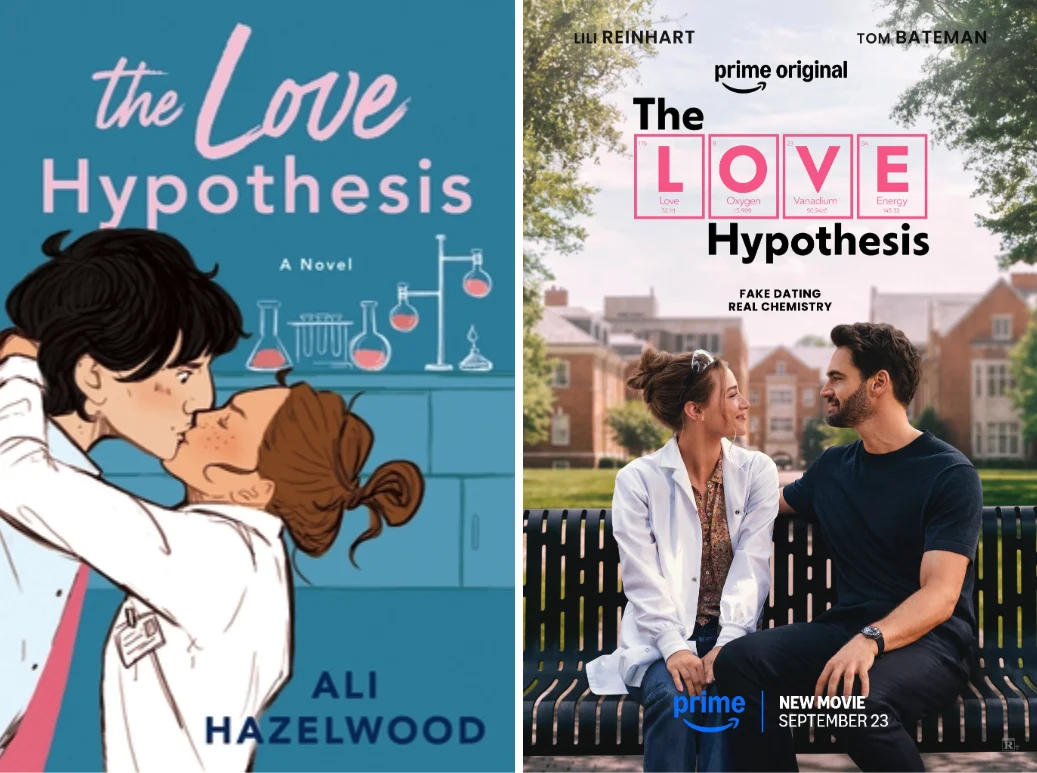
When the film premiered on Prime Video on September 23, 2026, it entered a conversation that already existed around the book and its adaptation. Fans already knew the characters and story, while the casting and on-screen interpretation gave them new material to discuss. The adaptation therefore added a new trigger to an established community rather than having to create the conversation from scratch.
The cast added another layer to that conversation. According to TheWrap, Lili Reinhart filmed TikTok trends with Tom Bateman while they were in costume, with several videos reaching tens of millions of views. Fans could now react to the casting, adaptation, actors, chemistry, familiar scenes, and creative choices.
Tap to play
A new brand campaign has to give people something to discuss, while a fandom already has those conversations. The campaign simply needs to give them a new trigger.
Fan Marketing: Why Fandom Creates UGC So Efficiently
The common mistake is thinking of fandom as simply a large audience. It is better understood as a shared language, where fans already understand the references, jokes, characters, and details that matter.
That shared context makes it easier to create a response. A trigger can be as simple as an image, announcement, cast appearance, product reveal, or social post because the audience already understands the reference and can fill in the rest.
This is why fan marketing works differently from traditional awareness campaigns. Fans create content because the trigger gives them something to say, whether that is a reaction, edit, meme, theory, or debate. One trigger can then create multiple types of content, with the community expanding the conversation in its own way.
The Dormant Fandom Effect
Fandoms are not always active. A community can go quiet for months or even years without losing its emotional connection. Then a small trigger can bring it back, such as a cast member joining TikTok, a reunion announcement, a new adaptation, an anniversary, or even an old inside joke.
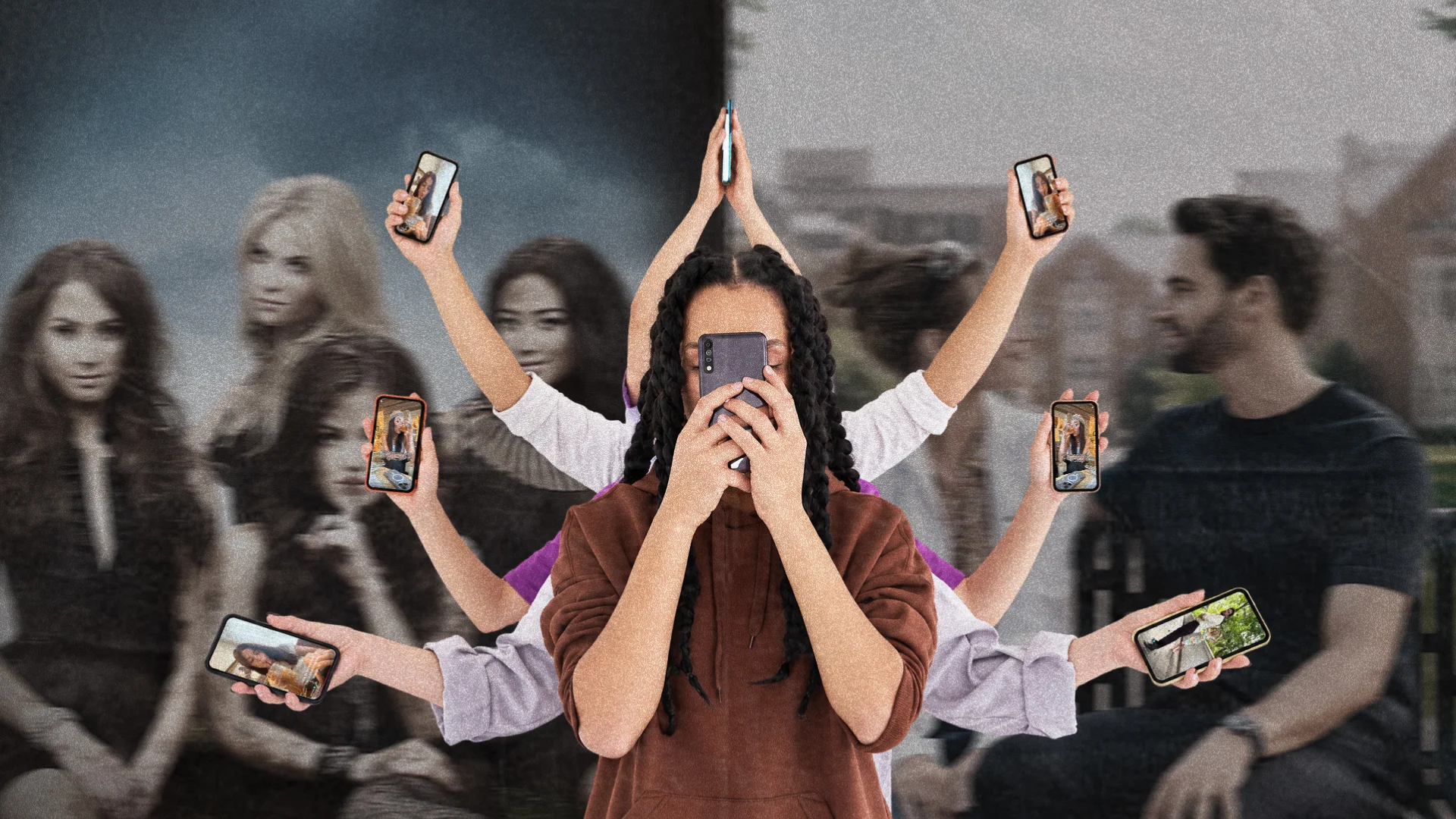
This is fandom reactivation. The community already has accumulated emotional investment, while the trigger gives it a reason to become active again, and it does not need to be a major event. Sometimes, one familiar reference is enough to bring an existing community back into the conversation. This is a useful way to visualize the process:
Why Pretty Little Liars and The Love Hypothesis Are Going Viral on TikTok
Once people recognize the connection, they react and create content. That content gives other members a reason to join, bringing more of the community back into the conversation.
Four Trigger Types Brands Can Use
The trigger does not need to be a major campaign. Lucy Hale referencing her Pretty Little Liars character and The Love Hypothesis giving BookTok fans a new topic to discuss both show how a simple moment can reactivate an existing community. The key is giving people a new reason to pay attention and participate, which leads to four useful trigger categories.
1. The Returning PersonA founder returns to social media, a former ambassador comes back, a creator revisits an old campaign, or an early employee shares a story from the brand's beginnings. The human connection becomes the trigger, giving the audience a familiar person or story to reconnect with. |
2. The AnniversaryA product reaches its fifth anniversary, a community hits a milestone, an iconic campaign turns ten, or a brand brings back an old package or product. Anniversaries give people a reason to revisit familiar memories, making them a natural trigger for renewed conversation and participation. |
3. The ComebackBring something back, such as a discontinued product, old color, classic design, former community challenge, or familiar brand character. The audience already knows what it is, so that familiarity reduces the amount of explanation needed and gives people an immediate reference point to react to. |
4. The Unexpected ReferenceA brand references something only existing customers would recognize, such as an old tagline, product detail, community joke, familiar packaging element, or phrase from an early campaign. The audience that recognizes it immediately gets a small reward, and that recognition can become the content. |
Why Nostalgia Alone Is Not Enough
Nostalgia is useful because it compresses context, but simply showing something old does not guarantee UGC. The audience still needs a reason to respond. A retro logo might create recognition, while a returning founder, limited product drop, anniversary, or community challenge gives that recognition somewhere to go.
That is why strong nostalgia marketing has a second layer: memory creates recognition, while the trigger creates action. Reddit's KarmaLab identified nostalgia, UGC, and community-specific targeting as major brand strategy themes for 2026, highlighting how nostalgia can connect with identity and community.
Brands do not need to recreate the past. They need to give an existing community a reason to revisit it.
What Brands Can Actually Copy
Most brands will never have a fandom the size of Pretty Little Liars. They do not need one. The useful part is the structure:
Step 1: Build a Shared IdentityA follower count is not a community. A real community has shared interests, language, references, rituals, and reasons to feel connected. The goal is to create something people can feel part of, whether that is a training philosophy, skincare approach, shared challenge, or inside joke. That is the foundation of community-led marketing. |
Step 2: Find Your Trigger MomentsOnce the community exists, look for triggers that can reactivate it, such as a product anniversary, returning product, new version, community milestone, old campaign, customer story, or creator reunion. The trigger should connect to something the audience already understands and cares about. |
Step 3: Give the Community Something to MakeThis is where UGC enters. Give people an easy way to respond through reactions, comparisons, rankings, recreations, predictions, remixes, or before-and-afters. The simpler the format, the easier it is to turn the trigger into fan-generated content. |
Community-Led Growth Starts Before the Viral Moment
The biggest mistake is waiting for a viral moment before building the community behind it. The strongest triggers work because the audience already has shared references, repeated interactions, recognizable rituals, and a reason to participate.
The Fan-Generated Content Flywheel
Once a community has been built, each new trigger can create another cycle of recognition, participation, and fan-generated content.
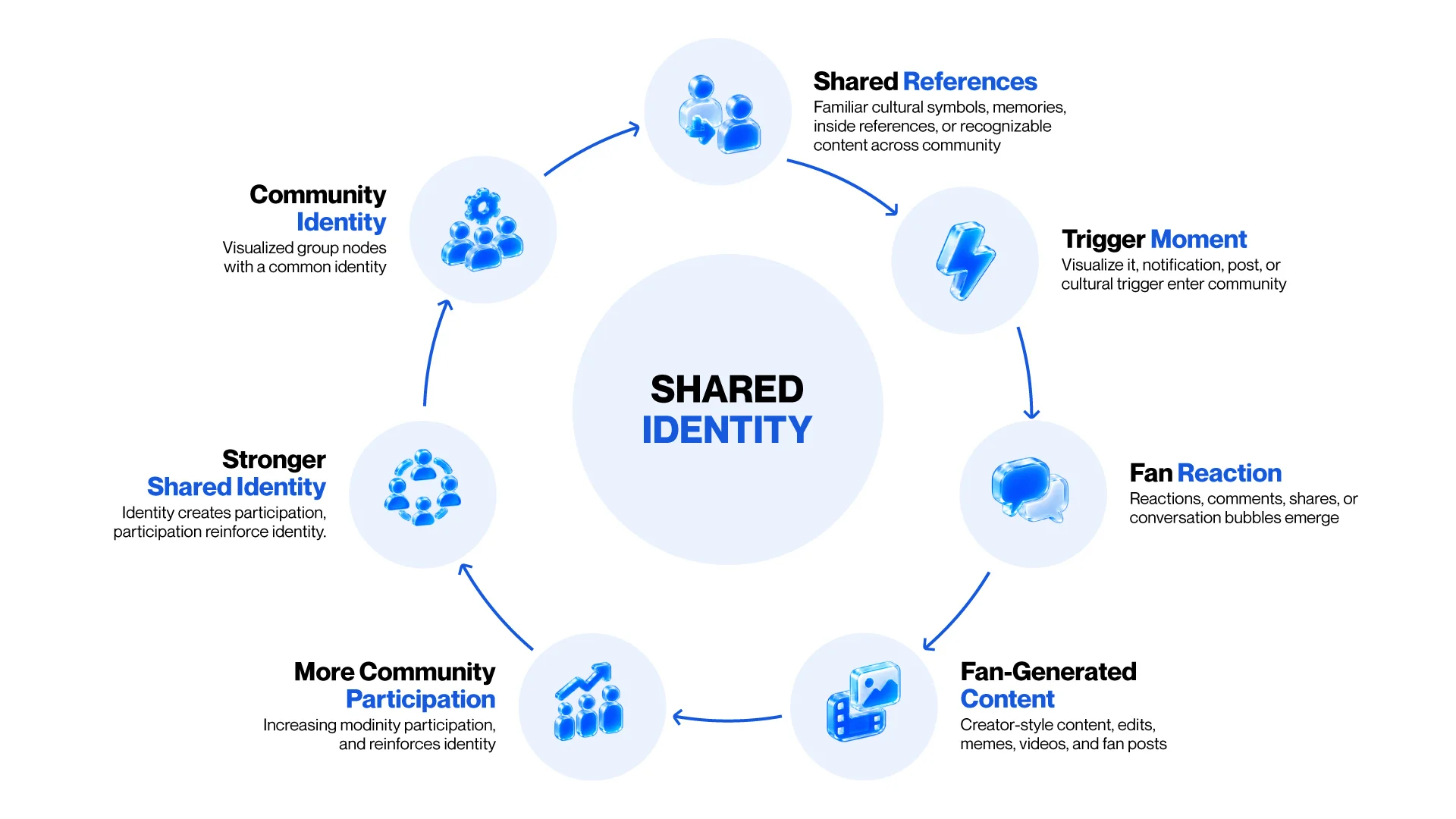
The next trigger starts with a stronger foundation because a campaign ends, but a community remembers. Each new moment can build on the emotional connection that already exists.
How Brands Can Find Their Own "Lucy Hale Moment"
The easiest exercise is to look backward. List the moments your customers still remember: a popular product launch, a campaign people still mention, a discontinued product customers ask about, a founder story, a creator collaboration, or even an inside joke that stuck around.
These moments can become potential triggers. The goal is not to recreate Pretty Little Liars, but to find the emotional reference points your own customers already share.
Then ask: “What could happen that would make these people talk to each other again?” It could be a returning product, a short founder video, an old design appearing unexpectedly, or a creator recreating something from years ago. The size of the trigger matters less than the depth of the existing connection.
Build the Community Before You Need the Reach
The Pretty Little Liars and The Love Hypothesis examples show the same distribution principle: the audience already had a shared context, and the trigger gave that context somewhere to go.
Masterhooks applies a similar audience-first approach to creator and UGC strategy, helping brands identify the communities, references, and creative formats that can turn audiences into participants. If you want UGC when the next big moment arrives, build the community before the moment does.
Want to turn your existing audience into a community that can drive UGC?
Want to turn your existing audience into a community that can drive UGC?
TikTok activity around both properties shows the scale of their existing communities. Lucy Hale's September 24 TikTok referencing Aria Montgomery drew more than 3.3 million views and 770,000 likes, while several The Love Hypothesis cast videos reached tens of millions of views. The key is what existed before those posts: Pretty Little Liars already had fans who understood its characters and references, while The Love Hypothesis had an established BookTok audience. The trigger did not need to build interest from zero. It simply gave an existing community something new to talk about.
Two Fandoms, Two Triggers
Pretty Little Liars TikTok 2026: One Cast Member Was Enough
Lucy Hale joined TikTok on September 24 and immediately referenced her Pretty Little Liars character, Aria Montgomery. In the video, she drinks iced coffee while making a reference to the show's mysterious antagonist. The post quickly reached more than 3.3 million views and 770,000 likes.
Tap to play
What made the post interesting was the reaction around it. Fans did not just watch the video. They brought back memories of the series, discussed its characters, and asked for other cast members to join. Shay Mitchell also referenced her Pretty Little Liars role in a similar Instagram post, adding another piece of content for fans to react to.
Tap to play
The post itself was simple, but the memory around it was enormous. A new viewer might see an actress making a joke about an old role, while a former fan immediately remembers the characters, storylines, and moments connected to it. The post is the trigger. The fandom is the distribution system.
The Love Hypothesis: BookTok Was Already Waiting
The Love Hypothesis represents a slightly different version of the same mechanism. Ali Hazelwood's novel had already become a BookTok favorite before its film adaptation arrived. First published in 2021, the book built an established readership around its characters, relationship dynamics, and familiar romance tropes.
When the film premiered on Prime Video on September 23, 2026, it entered a conversation that already existed around the book and its adaptation. Fans already knew the characters and story, while the casting and on-screen interpretation gave them new material to discuss. The adaptation therefore added a new trigger to an established community rather than having to create the conversation from scratch.
The cast added another layer to that conversation. According to TheWrap, Lili Reinhart filmed TikTok trends with Tom Bateman while they were in costume, with several videos reaching tens of millions of views. Fans could now react to the casting, adaptation, actors, chemistry, familiar scenes, and creative choices.
Tap to play
A new brand campaign has to give people something to discuss, while a fandom already has those conversations. The campaign simply needs to give them a new trigger.
Fan Marketing: Why Fandom Creates UGC So Efficiently
The common mistake is thinking of fandom as simply a large audience. It is better understood as a shared language, where fans already understand the references, jokes, characters, and details that matter.
That shared context makes it easier to create a response. A trigger can be as simple as an image, announcement, cast appearance, product reveal, or social post because the audience already understands the reference and can fill in the rest.
This is why fan marketing works differently from traditional awareness campaigns. Fans create content because the trigger gives them something to say, whether that is a reaction, edit, meme, theory, or debate. One trigger can then create multiple types of content, with the community expanding the conversation in its own way.
The Dormant Fandom Effect
Fandoms are not always active. A community can go quiet for months or even years without losing its emotional connection. Then a small trigger can bring it back, such as a cast member joining TikTok, a reunion announcement, a new adaptation, an anniversary, or even an old inside joke.
This is fandom reactivation. The community already has accumulated emotional investment, while the trigger gives it a reason to become active again, and it does not need to be a major event. Sometimes, one familiar reference is enough to bring an existing community back into the conversation. This is a useful way to visualize the process:
Why Pretty Little Liars and The Love Hypothesis Are Going Viral on TikTok
Once people recognize the connection, they react and create content. That content gives other members a reason to join, bringing more of the community back into the conversation.
Four Trigger Types Brands Can Use
The trigger does not need to be a major campaign. Lucy Hale referencing her Pretty Little Liars character and The Love Hypothesis giving BookTok fans a new topic to discuss both show how a simple moment can reactivate an existing community. The key is giving people a new reason to pay attention and participate, which leads to four useful trigger categories.
1. The Returning PersonA founder returns to social media, a former ambassador comes back, a creator revisits an old campaign, or an early employee shares a story from the brand's beginnings. The human connection becomes the trigger, giving the audience a familiar person or story to reconnect with. |
2. The AnniversaryA product reaches its fifth anniversary, a community hits a milestone, an iconic campaign turns ten, or a brand brings back an old package or product. Anniversaries give people a reason to revisit familiar memories, making them a natural trigger for renewed conversation and participation. |
3. The ComebackBring something back, such as a discontinued product, old color, classic design, former community challenge, or familiar brand character. The audience already knows what it is, so that familiarity reduces the amount of explanation needed and gives people an immediate reference point to react to. |
4. The Unexpected ReferenceA brand references something only existing customers would recognize, such as an old tagline, product detail, community joke, familiar packaging element, or phrase from an early campaign. The audience that recognizes it immediately gets a small reward, and that recognition can become the content. |
Why Nostalgia Alone Is Not Enough
Nostalgia is useful because it compresses context, but simply showing something old does not guarantee UGC. The audience still needs a reason to respond. A retro logo might create recognition, while a returning founder, limited product drop, anniversary, or community challenge gives that recognition somewhere to go.
That is why strong nostalgia marketing has a second layer: memory creates recognition, while the trigger creates action. Reddit's KarmaLab identified nostalgia, UGC, and community-specific targeting as major brand strategy themes for 2026, highlighting how nostalgia can connect with identity and community.
Brands do not need to recreate the past. They need to give an existing community a reason to revisit it.
What Brands Can Actually Copy
Most brands will never have a fandom the size of Pretty Little Liars. They do not need one. The useful part is the structure:
Step 1: Build a Shared IdentityA follower count is not a community. A real community has shared interests, language, references, rituals, and reasons to feel connected. The goal is to create something people can feel part of, whether that is a training philosophy, skincare approach, shared challenge, or inside joke. That is the foundation of community-led marketing. |
Step 2: Find Your Trigger MomentsOnce the community exists, look for triggers that can reactivate it, such as a product anniversary, returning product, new version, community milestone, old campaign, customer story, or creator reunion. The trigger should connect to something the audience already understands and cares about. |
Step 3: Give the Community Something to MakeThis is where UGC enters. Give people an easy way to respond through reactions, comparisons, rankings, recreations, predictions, remixes, or before-and-afters. The simpler the format, the easier it is to turn the trigger into fan-generated content. |
Community-Led Growth Starts Before the Viral Moment
The biggest mistake is waiting for a viral moment before building the community behind it. The strongest triggers work because the audience already has shared references, repeated interactions, recognizable rituals, and a reason to participate.
The Fan-Generated Content Flywheel
Once a community has been built, each new trigger can create another cycle of recognition, participation, and fan-generated content.
The next trigger starts with a stronger foundation because a campaign ends, but a community remembers. Each new moment can build on the emotional connection that already exists.
How Brands Can Find Their Own "Lucy Hale Moment"
The easiest exercise is to look backward. List the moments your customers still remember: a popular product launch, a campaign people still mention, a discontinued product customers ask about, a founder story, a creator collaboration, or even an inside joke that stuck around.
These moments can become potential triggers. The goal is not to recreate Pretty Little Liars, but to find the emotional reference points your own customers already share.
Then ask: “What could happen that would make these people talk to each other again?” It could be a returning product, a short founder video, an old design appearing unexpectedly, or a creator recreating something from years ago. The size of the trigger matters less than the depth of the existing connection.
Build the Community Before You Need the Reach
The Pretty Little Liars and The Love Hypothesis examples show the same distribution principle: the audience already had a shared context, and the trigger gave that context somewhere to go.
Masterhooks applies a similar audience-first approach to creator and UGC strategy, helping brands identify the communities, references, and creative formats that can turn audiences into participants. If you want UGC when the next big moment arrives, build the community before the moment does.
Want to turn your existing audience into a community that can drive UGC?
Related Reading
Related Reading

What Is a Content Pillar? (And How to Build One That Actually Works for UGC)
4 min
|
Trends
What Is a Content Pillar? (And How to Build One That Actually Works for UGC)
Learn what a content pillar is, why it matters for UGC, and how to build a practical content pillar strategy with creator briefs and real examples.
4 min
|
Trends
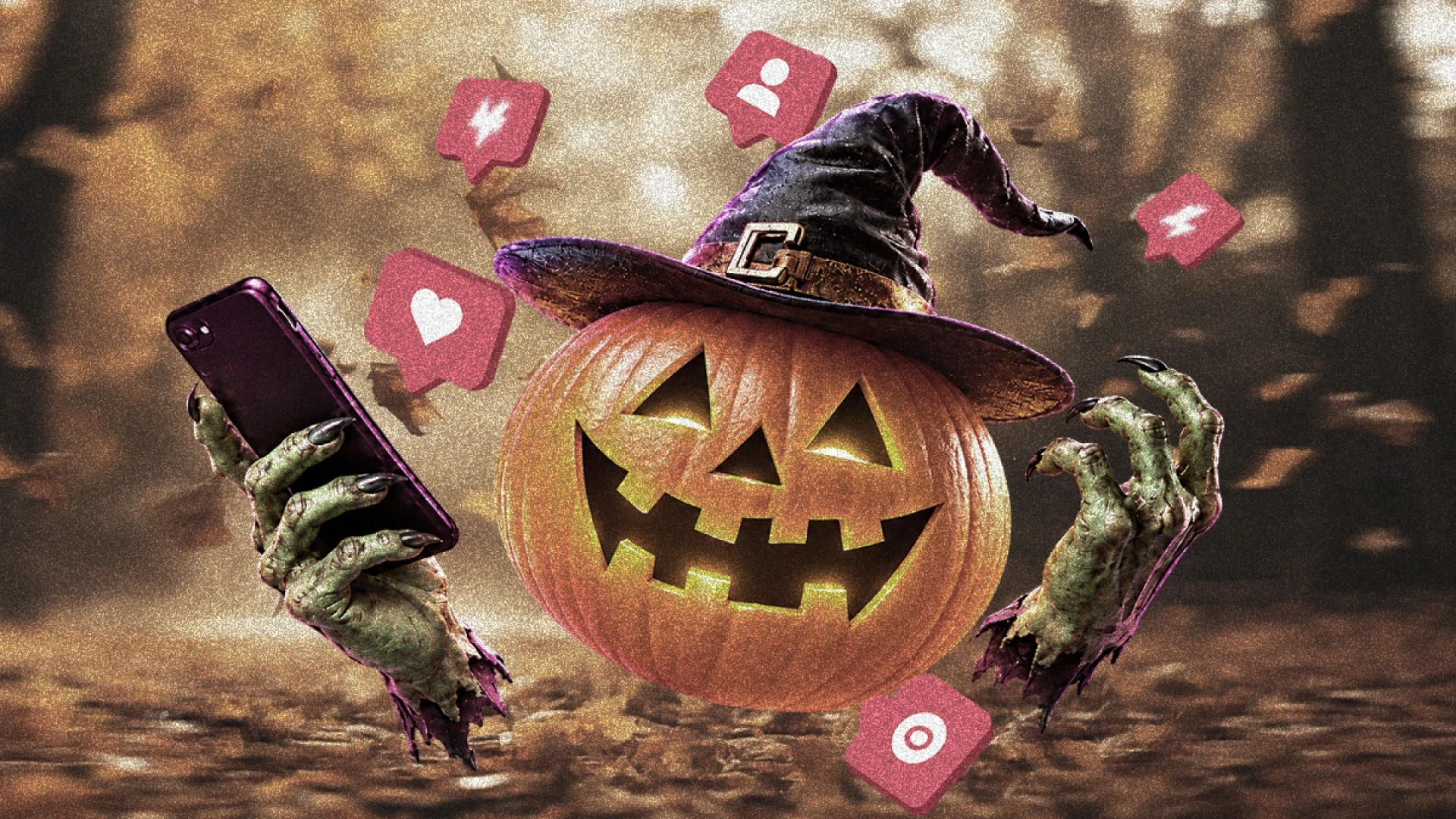
First Day of Fall, First Day of Content: The UGC Formats That Win in October
4 min
|
Trends
First Day of Fall, First Day of Content: The UGC Formats That Win in October
Discover five October UGC formats brands can use this fall, from seasonal transitions and cozy routines to Halloween teasers and reset content.
4 min
|
Trends
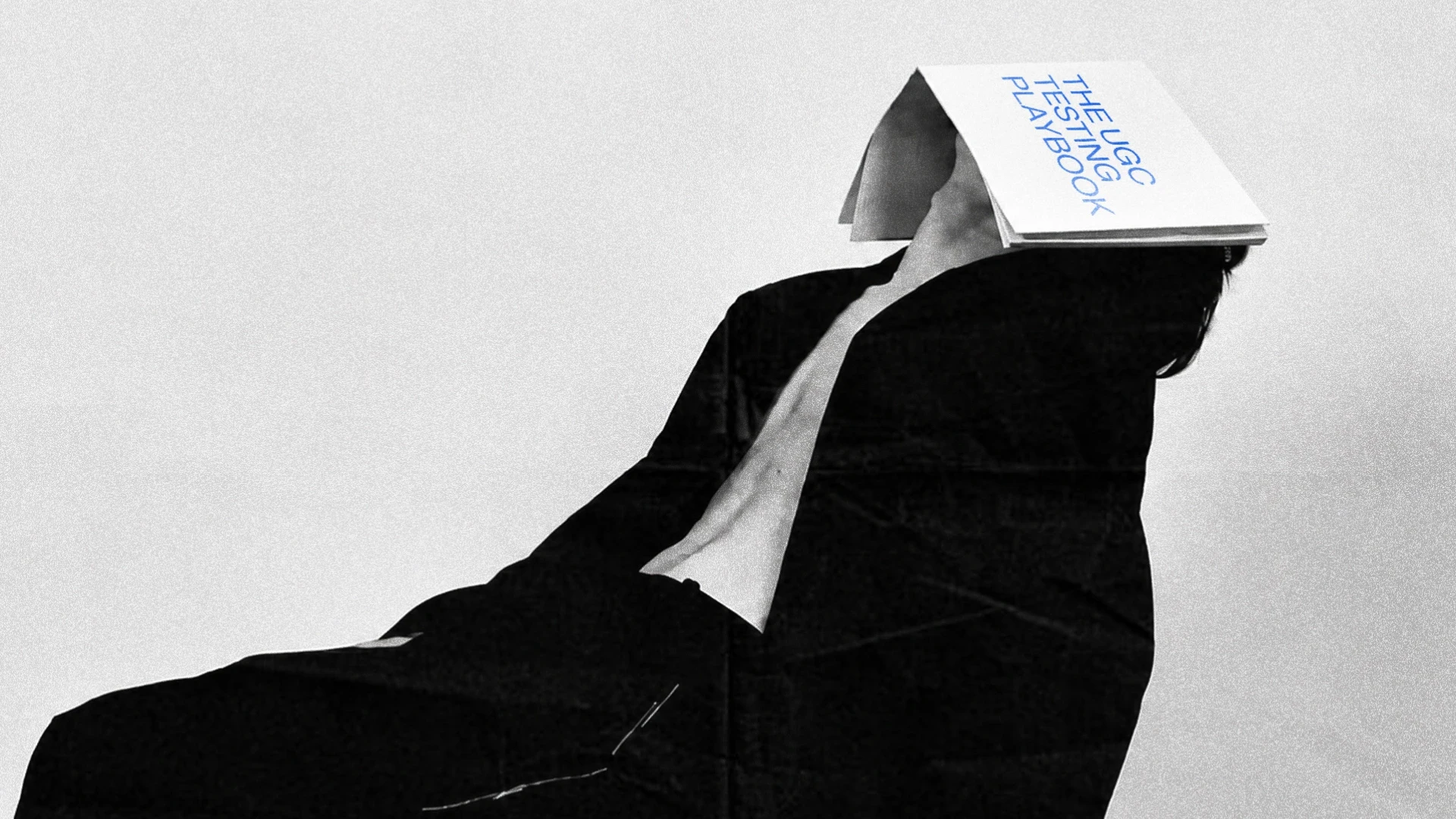
The UGC Testing Playbook: How to Know If Your Content Is Working Before You Scale
4 min
|
Trends
The UGC Testing Playbook: How to Know If Your Content Is Working Before You Scale
A practical UGC testing SOP covering hook rate, hold rate, CTR, CPA, decision rules, and a 4-week optimization calendar. Learn how to test and scale UGC now!
4 min
|
Trends


Need help scaling?
Book a strategy call with our expert team to audit your current UGC setup.