How Taylor Swift Engineered a UGC Wave With 13 Seconds of Video and One Awards Show
How Taylor Swift Engineered a UGC Wave With 13 Seconds of Video and One Awards Show
How Taylor Swift turned a 13-second teaser, Easter eggs, and a live VMA premiere into a UGC engine brands can adapt for organic distribution.
Published:

Read Time:

4 min

Written by:
Fawwaz
Trend Research and Copywriter
PRE-PREMIERE VIDEO BECAME A PHENOMENON OF DISTRIBUTION SYSTEM
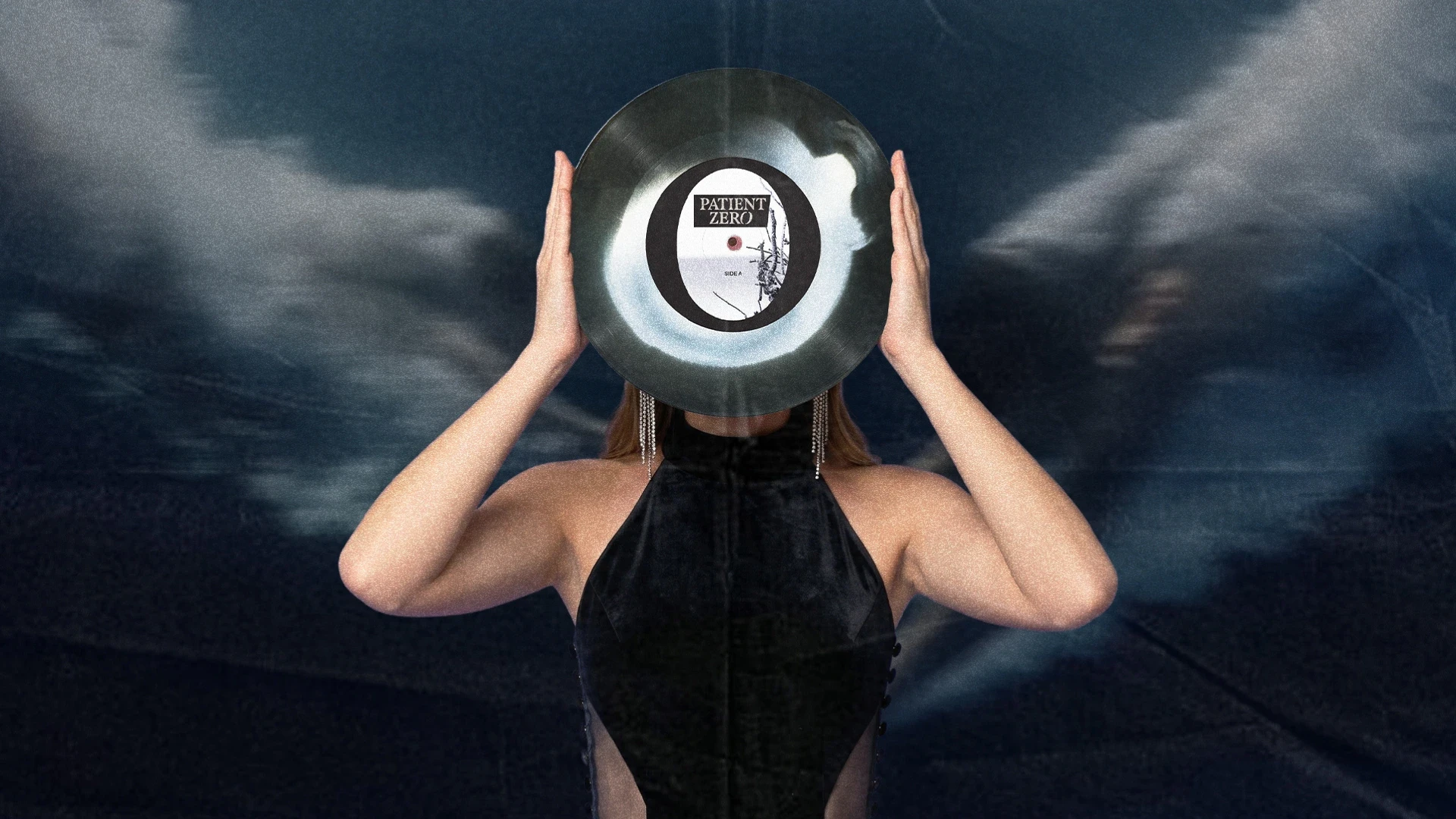
Taylor Swift’s Patient Zero rollout shows how a release can become a distribution system before the full product even arrives. A 13-second teaser introduced just enough information to create questions, while earlier clues gave fans something to investigate.
PRE-PREMIERE VIDEO BECAME A PHENOMENON OF DISTRIBUTION SYSTEM
Taylor Swift’s Patient Zero rollout shows how a release can become a distribution system before the full product even arrives. A 13-second teaser introduced just enough information to create questions, while earlier clues gave fans something to investigate.
PRE-PREMIERE VIDEO BECAME A PHENOMENON OF DISTRIBUTION SYSTEM
Taylor Swift’s Patient Zero rollout shows how a release can become a distribution system before the full product even arrives. A 13-second teaser introduced just enough information to create questions, while earlier clues gave fans something to investigate.
Then the VMAs turned the reveal into a shared event, giving audiences a reason to react at the same time. The result was a campaign where fans were not simply consuming the release. They were interpreting it, explaining it, and creating new content around it.
The "Patient Zero" Rollout Was Built in Layers
The music video was not the beginning of the campaign. This approach to music video marketing started much earlier, with fans finding clues in Swift's previous content, including her 2026 Emmy Awards sketch and details from earlier music videos.

Then came the 13-second teaser, the VMAs, and finally the full video. Each stage answered one question while creating another. The strategy was simple: reveal enough to build understanding, while leaving enough uncertainty to encourage participation.
1. The 13-Second Teaser Created an Information Gap
Most teaser campaigns try to show audiences why they should care. Swift's teaser took a different approach by showing just enough to make people realize there was more to discover. The 13-second clip introduced the visual world and two major actors, Dakota Johnson and Colin Farrell, while leaving the larger story unexplained. The cemetery, characters, visual references, and even the 13-second runtime became clues for fans to interpret.
This created an information gap. The audience knew enough to form a question, but not enough to answer it. That question then became the content. Instead of the brand creating ten pieces of promotional content, the audience created ten different theories.
But the information gap started before the teaser that worked because fans already had a reason to look. Swift had been dropping possible clues before “Patient Zero” was announced, including references in her “Opalite” video and cryptic phrases from her Emmy appearance. When the teaser arrived, fans connected those earlier clues to the new release and its cast.
That made the campaign more than a single post. Fans went back to older content, compared screenshots, built timelines, and explained connections to others. Every new clue could bring older content back into the conversation, creating another wave of UGC.
2. The VMAs Turned Attention Into a Shared Event
The next decision was where the full video would premiere. The Taylor Swift VMAs 2026 premiere created a synchronized moment where millions of viewers could experience the reveal at roughly the same time. Swift chose the MTV VMAs, creating a synchronized moment where millions of viewers could experience the reveal at roughly the same time. The 2026 VMAs were broadcast on CBS and MTV and streamed on Paramount+ in the U.S., with “Patient Zero” announced as a world premiere during the September 27 ceremony.
That shared moment can quickly create a self-reinforcing conversation. Someone sees the reveal, posts about it, someone else reacts, and others start searching for clues or uploading their own reactions. A normal launch distributes attention over time, with people discovering the content at different moments. A synchronized premiere compresses that behavior, allowing large numbers of people to experience the same reveal within a short window.
Early viewers then become sources for people who missed the moment. They are not just reacting to the content, but also helping explain what just happened. The transferable lesson is creating a moment that gives audiences a reason to experience, discuss, and create content at the same time.
3. Easter Eggs Turn Fans Into Researchers
Taylor Swift's Easter egg marketing works because the clues are easy enough to discover but interesting enough to investigate. Fans can notice a detail, build an explanation, share it, and invite others to agree or challenge it. The “Patient Zero” campaign created this loop through connections to the Emmy sketch, earlier videos, and details in the finished video.
The Social Currency Is in Being First
Easter egg marketing gives audiences something worth talking about. Finding a hidden detail lets someone become the person who noticed it first, creating social currency and turning observations into content.
The audience is not being asked to advertise the release. They are being given something worth explaining, which gives them a natural reason to create and share content.
4. The Full Reveal Did Not End the Campaign
Many teaser campaigns stop once the reveal happens. The brand posts the final asset, and the conversation moves on. Swift's rollout continued after the premiere, with Instagram posts giving fans more material to discuss, including the cast, creative process, and inspiration behind the video.
This creates a useful sequence:

Why This Creates More UGC Than a Normal Launch
A traditional launch asks the audience to consume, while Swift's rollout gives them different reasons to participate. Before the premiere, they can investigate; during it, they can react; and afterward, they can explain. The music video is the product, but the underlying strategy is audience participation and distribution.
Three Principles Brands Can Steal From the Rollout
Brands obviously cannot reproduce Swift's audience size, but they still can reproduce parts of the architecture.
Principle 1: Use an Information Trickle
Do not give the audience every piece of information at once. Give them enough to understand the premise, then introduce new clues over time. For example: Day 1: strange image → Day 3: product detail → Day 5: creator reaction → Launch day: complete product. Each piece should answer one question while creating another, giving people more reasons to talk about the campaign.
The goal is to create multiple content moments from one launch. Instead of revealing everything in a single post, brands can build anticipation by giving audiences something new to notice, discuss, and interpret at each stage.
Brand example
A fashion brand could reveal an unusual detail from a campaign shoot before showing the full collection. The audience can guess what it means, react to the next reveal, and eventually see whether their theories were correct. One production can then generate several moments of content and conversation.
Principle 2: Design a Simultaneous Experience
The VMA premiere worked partly because people experienced the reveal at the same time. Brands can create smaller versions of this through product drops, livestreams, creator reveals, sporting events, conferences, launch events, or coordinated creator posting windows.
The format matters less than synchronization. Instead of asking only, “When should this content go live?” ask, “When can the largest relevant part of our audience experience it together?” That is a distribution question.
Principle 3: Make the Content Decodable
The strongest Easter eggs are small enough to miss, which makes them more interesting to discover. Brands can hide clues in packaging, product names, background objects, dates, locations, creator cameos, or references to previous campaigns.
The key is making the clue easy to notice, explain, and share. If someone can discover a detail and explain it in 20 seconds, the brand has created a natural UGC format: Notice → Explain → Share.
A Simple UGC Rollout Template
Brands can adapt the mechanism into a four-stage launch.
Stage 1: SeedPublish a small clue or incomplete visual to create curiosity. |
Stage 2: DecodeRelease another piece of information that rewards people who were paying attention to encourage theories and explanation. |
Stage 3: SynchronizeCreate a shared moment where the full reveal happens to concentrate attention. |
Stage 4: ReactivatePublish behind-the-scenes information, additional clues, creator reactions, or explanations after the reveal to give the audience another reason to post. |
The important part is the sequence where a single teaser can generate attention, but a structured sequence can generate participation.
Designing the Next UGC Wave
The Patient Zero music rollout shows how organic distribution can be designed before a post goes live. The 13-second teaser, small Easter eggs, VMA premiere, and follow-up Instagram content each gave people a different reason to notice, react, and share. Brands can use the same structure by giving audiences something to notice, something to figure out, and something to experience together.

Masterhooks applies this distribution-first approach to creator and UGC strategy, helping brands build content that gives people reasons to watch, react, share, and create. The Patient Zero rollout shows that organic distribution can be designed before a post goes live and the key lesson is that the strongest UGC wave can start before the audience even knows the full story.
Want to turn the same participation mechanics into a UGC strategy for your brand?
Want to turn the same participation mechanics into a UGC strategy for your brand?
Then the VMAs turned the reveal into a shared event, giving audiences a reason to react at the same time. The result was a campaign where fans were not simply consuming the release. They were interpreting it, explaining it, and creating new content around it.
The "Patient Zero" Rollout Was Built in Layers
The music video was not the beginning of the campaign. This approach to music video marketing started much earlier, with fans finding clues in Swift's previous content, including her 2026 Emmy Awards sketch and details from earlier music videos.
Then came the 13-second teaser, the VMAs, and finally the full video. Each stage answered one question while creating another. The strategy was simple: reveal enough to build understanding, while leaving enough uncertainty to encourage participation.
1. The 13-Second Teaser Created an Information Gap
Most teaser campaigns try to show audiences why they should care. Swift's teaser took a different approach by showing just enough to make people realize there was more to discover. The 13-second clip introduced the visual world and two major actors, Dakota Johnson and Colin Farrell, while leaving the larger story unexplained. The cemetery, characters, visual references, and even the 13-second runtime became clues for fans to interpret.
This created an information gap. The audience knew enough to form a question, but not enough to answer it. That question then became the content. Instead of the brand creating ten pieces of promotional content, the audience created ten different theories.
But the information gap started before the teaser that worked because fans already had a reason to look. Swift had been dropping possible clues before “Patient Zero” was announced, including references in her “Opalite” video and cryptic phrases from her Emmy appearance. When the teaser arrived, fans connected those earlier clues to the new release and its cast.
That made the campaign more than a single post. Fans went back to older content, compared screenshots, built timelines, and explained connections to others. Every new clue could bring older content back into the conversation, creating another wave of UGC.
2. The VMAs Turned Attention Into a Shared Event
The next decision was where the full video would premiere. The Taylor Swift VMAs 2026 premiere created a synchronized moment where millions of viewers could experience the reveal at roughly the same time. Swift chose the MTV VMAs, creating a synchronized moment where millions of viewers could experience the reveal at roughly the same time. The 2026 VMAs were broadcast on CBS and MTV and streamed on Paramount+ in the U.S., with “Patient Zero” announced as a world premiere during the September 27 ceremony.
That shared moment can quickly create a self-reinforcing conversation. Someone sees the reveal, posts about it, someone else reacts, and others start searching for clues or uploading their own reactions. A normal launch distributes attention over time, with people discovering the content at different moments. A synchronized premiere compresses that behavior, allowing large numbers of people to experience the same reveal within a short window.
Early viewers then become sources for people who missed the moment. They are not just reacting to the content, but also helping explain what just happened. The transferable lesson is creating a moment that gives audiences a reason to experience, discuss, and create content at the same time.
3. Easter Eggs Turn Fans Into Researchers
Taylor Swift's Easter egg marketing works because the clues are easy enough to discover but interesting enough to investigate. Fans can notice a detail, build an explanation, share it, and invite others to agree or challenge it. The “Patient Zero” campaign created this loop through connections to the Emmy sketch, earlier videos, and details in the finished video.
The Social Currency Is in Being First
Easter egg marketing gives audiences something worth talking about. Finding a hidden detail lets someone become the person who noticed it first, creating social currency and turning observations into content.
The audience is not being asked to advertise the release. They are being given something worth explaining, which gives them a natural reason to create and share content.
4. The Full Reveal Did Not End the Campaign
Many teaser campaigns stop once the reveal happens. The brand posts the final asset, and the conversation moves on. Swift's rollout continued after the premiere, with Instagram posts giving fans more material to discuss, including the cast, creative process, and inspiration behind the video.
This creates a useful sequence:
Why This Creates More UGC Than a Normal Launch
A traditional launch asks the audience to consume, while Swift's rollout gives them different reasons to participate. Before the premiere, they can investigate; during it, they can react; and afterward, they can explain. The music video is the product, but the underlying strategy is audience participation and distribution.
Three Principles Brands Can Steal From the Rollout
Brands obviously cannot reproduce Swift's audience size, but they still can reproduce parts of the architecture.
Principle 1: Use an Information Trickle
Do not give the audience every piece of information at once. Give them enough to understand the premise, then introduce new clues over time. For example: Day 1: strange image → Day 3: product detail → Day 5: creator reaction → Launch day: complete product. Each piece should answer one question while creating another, giving people more reasons to talk about the campaign.
The goal is to create multiple content moments from one launch. Instead of revealing everything in a single post, brands can build anticipation by giving audiences something new to notice, discuss, and interpret at each stage.
Brand example
A fashion brand could reveal an unusual detail from a campaign shoot before showing the full collection. The audience can guess what it means, react to the next reveal, and eventually see whether their theories were correct. One production can then generate several moments of content and conversation.
Principle 2: Design a Simultaneous Experience
The VMA premiere worked partly because people experienced the reveal at the same time. Brands can create smaller versions of this through product drops, livestreams, creator reveals, sporting events, conferences, launch events, or coordinated creator posting windows.
The format matters less than synchronization. Instead of asking only, “When should this content go live?” ask, “When can the largest relevant part of our audience experience it together?” That is a distribution question.
Principle 3: Make the Content Decodable
The strongest Easter eggs are small enough to miss, which makes them more interesting to discover. Brands can hide clues in packaging, product names, background objects, dates, locations, creator cameos, or references to previous campaigns.
The key is making the clue easy to notice, explain, and share. If someone can discover a detail and explain it in 20 seconds, the brand has created a natural UGC format: Notice → Explain → Share.
A Simple UGC Rollout Template
Brands can adapt the mechanism into a four-stage launch.
Stage 1: SeedPublish a small clue or incomplete visual to create curiosity. |
Stage 2: DecodeRelease another piece of information that rewards people who were paying attention to encourage theories and explanation. |
Stage 3: SynchronizeCreate a shared moment where the full reveal happens to concentrate attention. |
Stage 4: ReactivatePublish behind-the-scenes information, additional clues, creator reactions, or explanations after the reveal to give the audience another reason to post. |
The important part is the sequence where a single teaser can generate attention, but a structured sequence can generate participation.
Designing the Next UGC Wave
The Patient Zero music rollout shows how organic distribution can be designed before a post goes live. The 13-second teaser, small Easter eggs, VMA premiere, and follow-up Instagram content each gave people a different reason to notice, react, and share. Brands can use the same structure by giving audiences something to notice, something to figure out, and something to experience together.
Masterhooks applies this distribution-first approach to creator and UGC strategy, helping brands build content that gives people reasons to watch, react, share, and create. The Patient Zero rollout shows that organic distribution can be designed before a post goes live and the key lesson is that the strongest UGC wave can start before the audience even knows the full story.
Want to turn the same participation mechanics into a UGC strategy for your brand?
Related Reading
Related Reading
How Blumhouse Built a $740M Horror Franchise by Spending Less Than Any Competitor
4 min
|
How Blumhouse Built a $740M Horror Franchise by Spending Less Than Any Competitor
How Blumhouse turned low-budget horror into a repeatable franchise model using controlled costs, social amplification, and audience-driven content.
4 min
|
How to Find & Choose the Right Influencer for Your Brand (Without Getting Burned)
5 min
|
How to Find & Choose the Right Influencer for Your Brand (Without Getting Burned)
Learn how to find influencers for your brand using audience fit, engagement quality, growth patterns, content quality, and campaign history.
5 min
|

What Is Influencer Marketing? A No-Fluff Guide for Brands Ready to Actually Use It
5 min
|
What Is Influencer Marketing? A No-Fluff Guide for Brands Ready to Actually Use It
Ready to use influencer marketing for your brands? Learn influencer types, campaign models, costs, ROI, measurement, and how to choose the right creators.
5 min
|


Need help scaling?
Book a strategy call with our expert team to audit your current UGC setup.