
Why Brands Are Now Building Creator Newsletters on Substack, and What's Making It Work
Substack is becoming a serious brand channel. Learn why brands are moving there, how they use it, and when building a newsletter makes sense.
Published:

Read Time:

3 min

Written by:
Fawwaz
Trend Research and Copywriter
A NEW WAY OF DISTRIBUTION
Brands are turning to Substack because it offers something increasingly rare on social media: a direct connection with audiences who choose to hear from them. Beyond independent writers, brands now use it for sponsored content, newsletters, founder-led publications, and community building.
A NEW WAY OF DISTRIBUTION
Brands are turning to Substack because it offers something increasingly rare on social media: a direct connection with audiences who choose to hear from them. Beyond independent writers, brands now use it for sponsored content, newsletters, founder-led publications, and community building.
A NEW WAY OF DISTRIBUTION
Brands are turning to Substack because it offers something increasingly rare on social media: a direct connection with audiences who choose to hear from them. Beyond independent writers, brands now use it for sponsored content, newsletters, founder-led publications, and community building.
Meltwater recorded more than 5 million mentions of Substack on social media between November 2025 and April 2026, an increase of nearly 30% compared to the previous six months. That growth tracks with a broader pattern: the Substack newsletter format has become a legitimate distribution channel, not just a tool for independent writers. Instagram and TikTok excel at content discovery, but their reach is heavily dependent on the feed, whereas Substack gives brands the space to build direct relationships with audiences who voluntarily subscribe and to explore ideas in greater depth. Therefore, the more important question isn’t simply “What is Substack?”, but rather whether brands have content that audiences actually want to read on a regular basis.
Why Brands Are Moving to Substack Now
Substack is a newsletter platform that lets writers and brands publish content directly to subscribers via email and an in-app feed.
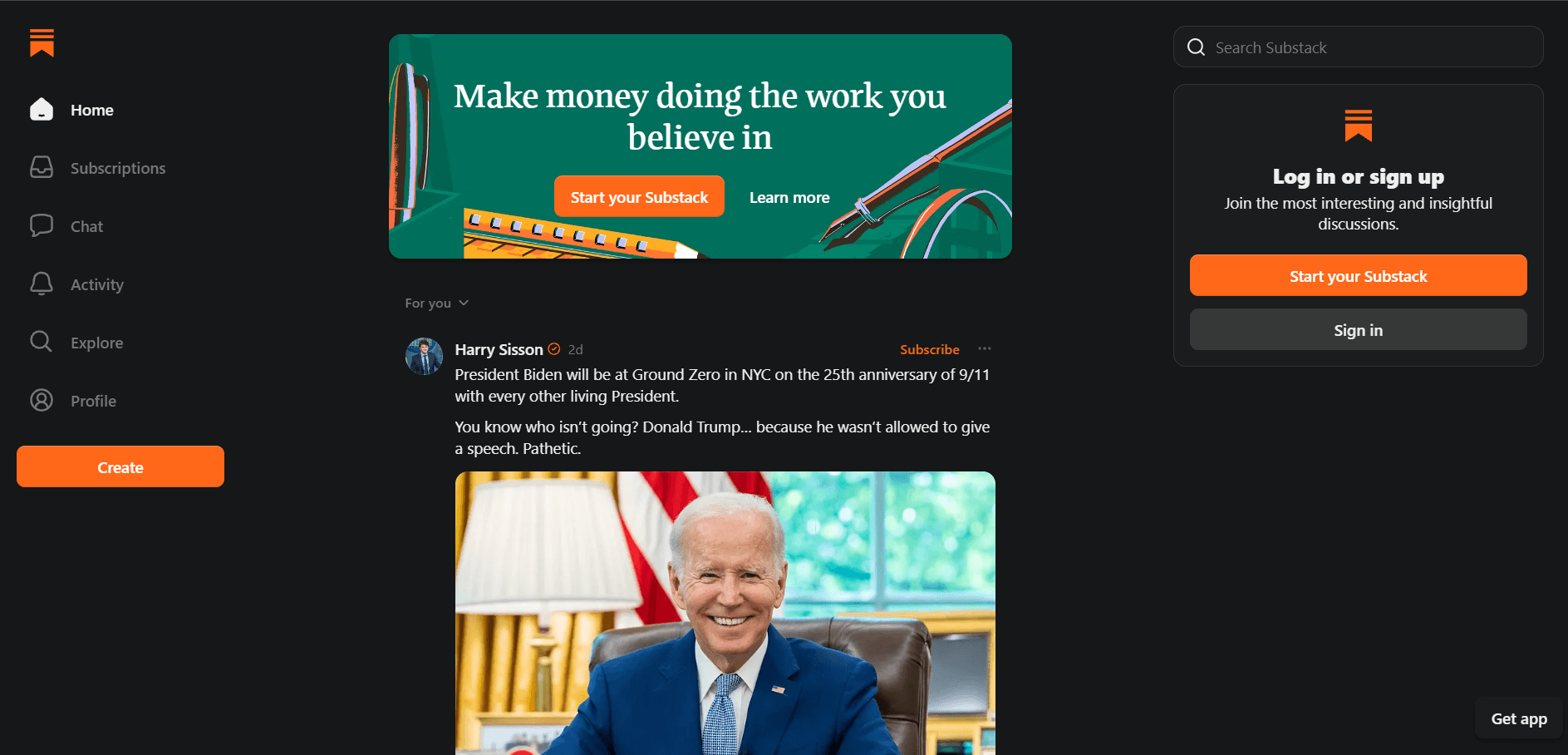
Unlike traditional email marketing tools, Substack combines publishing, community, and discovery in one place: subscribers can like, comment, and follow other publications. That combination is why brands are now looking at it differently.

There are three reasons the platform has become particularly interesting for marketers:
1. Algorithm fatigue
For years, brands have been building audiences on platforms where distribution mechanisms can change at any time. Content that reached a large audience last month might see lower reach after an algorithm update.
Substack offers a different approach. Subscribers can receive content directly via email, though the platform also features discovery tools such as recommendations, Notes, and the Home feed. The difference lies in the more direct relationship with subscribers: it’s not just about having followers, but having an audience that actively chooses to receive the content.
2. Direct audience ownership
Instagram followers remain within the Instagram ecosystem, while Substack subscribers provide their email addresses and can receive content directly via email or the Substack app. This difference changes the way brands view the value of an audience.
The goal has also shifted from simply gathering followers to build a community of people who actively choose to follow a brand’s perspective and content.
3. Intentional engagement
Someone scrolling through TikTok might come across a brand’s video without ever intending to interact with it. In contrast, newsletter subscribers have consciously chosen the publications, topics, and writing styles they want to follow.
Therefore, Substack is well-suited for brands that have expertise, a strong editorial perspective, or information that their audience truly needs. As NoGood points out, this platform allows brands to move beyond simply distributing content to building a community around a specific perspective.
Three Ways Brands Are Using Substack
There is no single Substack marketing model that works for every company, but every brand on the platform can succeed using approaches that are very different from one another.
1. Sponsor someone else's audience
This approach is best for brands that want to try out Substack without having to commit to building a new publishing operation. Instead of building a newsletter from scratch, a brand partners with a writer who already has a reputation and an audience that aligns with the brand’s target customers.
For example, Walmart has leveraged newsletter partnerships to reach existing communities. Meltwater also highlights examples of partnerships involving brands such as Hinge, Lenovo, Banana Republic, Sutter Home, and Brooklinen. The advantage lies in how these brands leverage the trust that has already been established.
Through this approach, the writer already understands the audience, the content delivery style, and the readers’ expectations. The brand’s task is to find a partnership that feels relevant and aligns with the characteristics of both the audience and the content.
2. Build a brand-owned publication
The second approach is to create a dedicated Substack newsletter under the brand’s own name. This option requires more effort but can build a stronger editorial identity over time.
There are two examples of brands that use this approach. The first is Rare Beauty, whose publications combine behind-the-scenes stories, interviews, beauty content, community topics, and broader discussions on well-being and mental health. The second is Shopify, whose publications focus on entrepreneurs, creators, business stories, and lessons from company founders. Shopify’s approach gives them a reason to be in readers’ inboxes, going beyond simply promoting Shopify products.
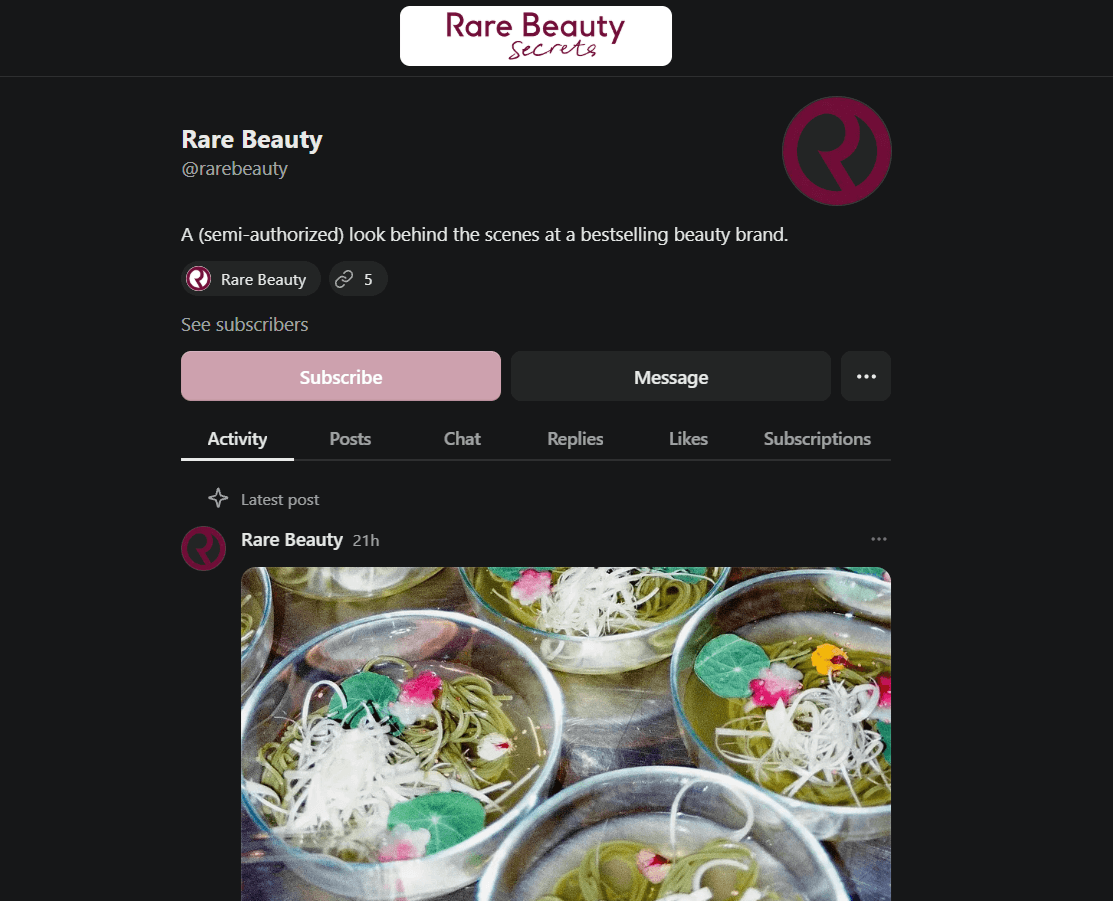

The key to this approach lies in whether the brand has enough valuable material to continue publishing content on a sustainable basis.
3. Put a founder at the center
The third approach is founder-led content, which is highly effective when a founder or executive truly has something compelling to share. This is because, rather than producing formal corporate content, the founder steps forward as the messenger.
Meltwater highlights Night Shade by Melanie Masarin, the founder of Ghia, which features lifestyle content, personal observations, shopping ideas, and occasional glimpses into the company over time. The brand becomes part of the world being documented, rather than merely the main subject of each post.
Rare Beauty’s publications also demonstrate how a brand can adopt a more personal editorial approach. The descriptions position these publications as a way to see behind the scenes of the company and its community.
The better starting point: Partner First, Build Second
For most brands, the smartest way to try Substack isn’t by immediately launching their own publication, but by collaborating with writers who already have an audience the brand wants to reach. This is a low-risk way to understand the topics, styles, and formats that resonate most with the audience.
If these collaborations consistently generate meaningful engagement, this can serve as an indicator that the brand’s own newsletter is worth developing.
Substack Isn't Just Email Marketing
To refer to Substack merely as an email platform is to overlook one of its most compelling features. Unlike traditional email marketing, which centers on the inbox experience, Substack combines email functionality with a publishing environment and a community. Readers can like and comment on posts, follow authors, interact through Notes, and discover other publications.
This creates a more dynamic flow:
Read → React → Discover → Follow → Subscribe.
The discovery feature means brands aren’t entirely reliant on their own efforts to attract readers. Through the feed, recommendations, and the following feature, readers can discover new publications through creators or others they already follow.
As a result, Substack more closely resembles a media ecosystem than just an email database. Audiences not only receive content in their inbox, but they can also discover, interact with, and follow new publications within the platform.
Is Substack Right for Every Brand?
The biggest mistake is treating Substack as just another channel that every brand must have. Before evaluating Substack for business use, the better question is: does the brand have something its audience actually wants to read every week or month?
If the answer is yes, such as specialized knowledge, industry analysis, the founder’s perspective, or original research, launching your own publication could be the right choice. If not, sponsoring a newsletter that already has an audience might be more effective.
In line with this, Meltwater and NoGood advise brands to consider their target audience, editorial focus, perspective, and internal capacity before launching their own publication. Rare Beauty’s experience also highlights the importance of offering something truly unique that provides value to readers. This means brands not only need to have something to say but also enough ideas to keep the publication relevant in the long term.
Where Masterhooks Fits Into the Shift
For brands considering Substack, the key question is simple: what makes the audience interested enough to keep coming back? Masterhooks uses an audience-centered approach to help brands identify hooks, formats, creators, and content systems that can turn attention into sustained engagement.

Therefore, brands shouldn’t join Substack just because the platform is trending. The real opportunity lies in finding an authentic perspective that audiences genuinely want to follow, whether through their own newsletters, collaborations with creators, or broader UGC strategies.
Not sure if Substack, UGC, or something else fits your brand best?

Not sure if Substack, UGC, or something else fits your brand best?
Meltwater recorded more than 5 million mentions of Substack on social media between November 2025 and April 2026, an increase of nearly 30% compared to the previous six months. That growth tracks with a broader pattern: the Substack newsletter format has become a legitimate distribution channel, not just a tool for independent writers. Instagram and TikTok excel at content discovery, but their reach is heavily dependent on the feed, whereas Substack gives brands the space to build direct relationships with audiences who voluntarily subscribe and to explore ideas in greater depth. Therefore, the more important question isn’t simply “What is Substack?”, but rather whether brands have content that audiences actually want to read on a regular basis.
Why Brands Are Moving to Substack Now
Substack is a newsletter platform that lets writers and brands publish content directly to subscribers via email and an in-app feed.
Unlike traditional email marketing tools, Substack combines publishing, community, and discovery in one place: subscribers can like, comment, and follow other publications. That combination is why brands are now looking at it differently.
There are three reasons the platform has become particularly interesting for marketers:
1. Algorithm fatigue
For years, brands have been building audiences on platforms where distribution mechanisms can change at any time. Content that reached a large audience last month might see lower reach after an algorithm update.
Substack offers a different approach. Subscribers can receive content directly via email, though the platform also features discovery tools such as recommendations, Notes, and the Home feed. The difference lies in the more direct relationship with subscribers: it’s not just about having followers, but having an audience that actively chooses to receive the content.
2. Direct audience ownership
Instagram followers remain within the Instagram ecosystem, while Substack subscribers provide their email addresses and can receive content directly via email or the Substack app. This difference changes the way brands view the value of an audience.
The goal has also shifted from simply gathering followers to build a community of people who actively choose to follow a brand’s perspective and content.
3. Intentional engagement
Someone scrolling through TikTok might come across a brand’s video without ever intending to interact with it. In contrast, newsletter subscribers have consciously chosen the publications, topics, and writing styles they want to follow.
Therefore, Substack is well-suited for brands that have expertise, a strong editorial perspective, or information that their audience truly needs. As NoGood points out, this platform allows brands to move beyond simply distributing content to building a community around a specific perspective.
Three Ways Brands Are Using Substack
There is no single Substack marketing model that works for every company, but every brand on the platform can succeed using approaches that are very different from one another.
1. Sponsor someone else's audience
This approach is best for brands that want to try out Substack without having to commit to building a new publishing operation. Instead of building a newsletter from scratch, a brand partners with a writer who already has a reputation and an audience that aligns with the brand’s target customers.
For example, Walmart has leveraged newsletter partnerships to reach existing communities. Meltwater also highlights examples of partnerships involving brands such as Hinge, Lenovo, Banana Republic, Sutter Home, and Brooklinen. The advantage lies in how these brands leverage the trust that has already been established.
Through this approach, the writer already understands the audience, the content delivery style, and the readers’ expectations. The brand’s task is to find a partnership that feels relevant and aligns with the characteristics of both the audience and the content.
2. Build a brand-owned publication
The second approach is to create a dedicated Substack newsletter under the brand’s own name. This option requires more effort but can build a stronger editorial identity over time.
There are two examples of brands that use this approach. The first is Rare Beauty, whose publications combine behind-the-scenes stories, interviews, beauty content, community topics, and broader discussions on well-being and mental health. The second is Shopify, whose publications focus on entrepreneurs, creators, business stories, and lessons from company founders. Shopify’s approach gives them a reason to be in readers’ inboxes, going beyond simply promoting Shopify products.
The key to this approach lies in whether the brand has enough valuable material to continue publishing content on a sustainable basis.
3. Put a founder at the center
The third approach is founder-led content, which is highly effective when a founder or executive truly has something compelling to share. This is because, rather than producing formal corporate content, the founder steps forward as the messenger.
Meltwater highlights Night Shade by Melanie Masarin, the founder of Ghia, which features lifestyle content, personal observations, shopping ideas, and occasional glimpses into the company over time. The brand becomes part of the world being documented, rather than merely the main subject of each post.
Rare Beauty’s publications also demonstrate how a brand can adopt a more personal editorial approach. The descriptions position these publications as a way to see behind the scenes of the company and its community.
The better starting point: Partner First, Build Second
For most brands, the smartest way to try Substack isn’t by immediately launching their own publication, but by collaborating with writers who already have an audience the brand wants to reach. This is a low-risk way to understand the topics, styles, and formats that resonate most with the audience.
If these collaborations consistently generate meaningful engagement, this can serve as an indicator that the brand’s own newsletter is worth developing.
Substack Isn't Just Email Marketing
To refer to Substack merely as an email platform is to overlook one of its most compelling features. Unlike traditional email marketing, which centers on the inbox experience, Substack combines email functionality with a publishing environment and a community. Readers can like and comment on posts, follow authors, interact through Notes, and discover other publications.
This creates a more dynamic flow:
Read → React → Discover → Follow → Subscribe.
The discovery feature means brands aren’t entirely reliant on their own efforts to attract readers. Through the feed, recommendations, and the following feature, readers can discover new publications through creators or others they already follow.
As a result, Substack more closely resembles a media ecosystem than just an email database. Audiences not only receive content in their inbox, but they can also discover, interact with, and follow new publications within the platform.
Is Substack Right for Every Brand?
The biggest mistake is treating Substack as just another channel that every brand must have. Before evaluating Substack for business use, the better question is: does the brand have something its audience actually wants to read every week or month?
If the answer is yes, such as specialized knowledge, industry analysis, the founder’s perspective, or original research, launching your own publication could be the right choice. If not, sponsoring a newsletter that already has an audience might be more effective.
In line with this, Meltwater and NoGood advise brands to consider their target audience, editorial focus, perspective, and internal capacity before launching their own publication. Rare Beauty’s experience also highlights the importance of offering something truly unique that provides value to readers. This means brands not only need to have something to say but also enough ideas to keep the publication relevant in the long term.
Where Masterhooks Fits Into the Shift
For brands considering Substack, the key question is simple: what makes the audience interested enough to keep coming back? Masterhooks uses an audience-centered approach to help brands identify hooks, formats, creators, and content systems that can turn attention into sustained engagement.
Therefore, brands shouldn’t join Substack just because the platform is trending. The real opportunity lies in finding an authentic perspective that audiences genuinely want to follow, whether through their own newsletters, collaborations with creators, or broader UGC strategies.
Not sure if Substack, UGC, or something else fits your brand best?
Related Reading
Related Reading

UGC and Influencer Marketing Pricing Guide for Brands in 2026
4 min
|
UGC and Influencer Marketing Pricing Guide for Brands in 2026
Compare UGC rates, influencer fees, usage rights, and agency costs, with published pricing references and an example creator campaign budget for 2026.
4 min
|

How to Find the Right Influencer Marketing Agency for Your Brand (Without Wasting Budget)
6 min
|
How to Find the Right Influencer Marketing Agency for Your Brand (Without Wasting Budget)
Learn how to choose an influencer marketing agency using a practical scorecard, performance criteria, red flags, and pre-contract checks.
6 min
|

AI Video Ad Agencies: A Buyer's Guide for DTC Brands (2026)
4 min
|
AI Video Ad Agencies: A Buyer's Guide for DTC Brands (2026)
Compare AI video ad agency types, pricing, performance metrics, ownership rights, and seven questions DTC brands should ask before hiring.
4 min
|



Need help scaling?
Book a strategy call with our expert team to audit your current UGC setup.