


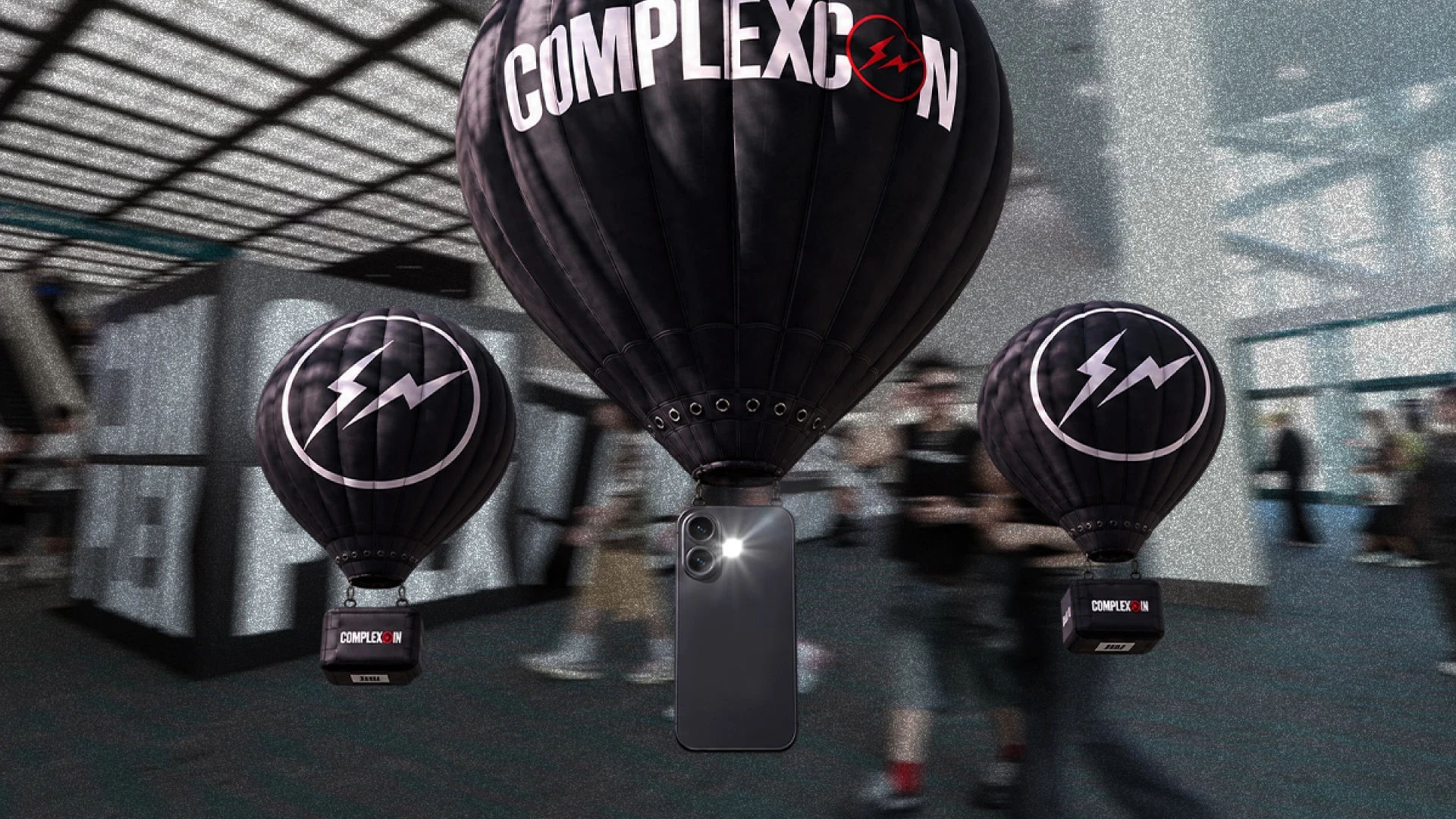
What ComplexCon Reveals About Turning Product Drops Into Event UGC
Explore how ComplexCon product launch create opportunities for event UGC, with practical lessons for product drops, smaller pop-ups, and measurement.
Published:

Read Time:

4 min

Written by:
Fawwaz
Trend Research and Copywriter
GIVE ATTENDEES AN EXPERIENCE THEY CAN SHOW
ComplexCon’s 10th-anniversary edition took place in Los Angeles on October 3–4, 2026. Product drops, trials, and interactive activations gave visitors experiences they could document, from discovering a collaboration to recording a performance.
GIVE ATTENDEES AN EXPERIENCE THEY CAN SHOW
ComplexCon’s 10th-anniversary edition took place in Los Angeles on October 3–4, 2026. Product drops, trials, and interactive activations gave visitors experiences they could document, from discovering a collaboration to recording a performance.
GIVE ATTENDEES AN EXPERIENCE THEY CAN SHOW
ComplexCon’s 10th-anniversary edition took place in Los Angeles on October 3–4, 2026. Product drops, trials, and interactive activations gave visitors experiences they could document, from discovering a collaboration to recording a performance.
Overview
How ComplexCon activations give attendees specific experiences to capture and share.
The difference between independent attendee posts, commissioned creator coverage, and organizer content.
Five content opportunities around discovery, trials, interaction, purchases, and post-event hauls.
How smaller brands can plan capture-friendly experiences and permission-based content reuse.
Which metrics help assess participation, product traffic, and tracked purchases.
These examples show how brands can create opportunities for event UGC before, during, and after a purchase. The practical lesson is to plan what attendees can do, what they might share, and how the brand will measure the response.
First, What Counts as Event UGC?
It helps to separate three types of event content.
Content type | How to identify it |
Independent attendee content | Attendees create and share their own discoveries, reactions, purchases, or reviews. Check for incentives or brand relationships before classifying posts as organic. |
Commissioned creator coverage | Creators produce event content through a brand arrangement, such as payment, gifted access, or products. Relevant material connections should be disclosed. |
Organizer content | The organizer or brand produces interviews, recaps, demonstrations, or other event coverage. Report it separately from attendee-generated posts. |
Some activations also produce photos or videos for participants. Track these as brand-assisted assets, then separately measure whether participants publish them. Receiving an asset does not establish that a post was created independently.
What Actually Happened at ComplexCon 2026?
ComplexCon offered more than merchandise booths, with interactive experiences where attendees could customize, compete, collect, and try products. Three examples stand out.

Toyota Turned the Photo Into the Takeaway
Complex’s activation guide described a Toyota × Awake NY setup where visitors could pose with a Supra and receive a wheatpaste-inspired digital image.
The proposed sharing path was simple: pose, receive a personalized keepsake, then choose whether to publish it. This illustrates how an activation can reduce the effort of creating a post. It does not establish how many visitors shared the resulting image.
Red Bull Built Recording Into Participation
Red Bull reported that more than 100 aspiring rappers used its 60-Seconds Freestyle booth. Participants selected a beat and recorded a one-minute performance. The recap stated that each participant would receive a video.
The mechanism combines a personal performance with a recording the attendee can share. Track participation, asset delivery, and published posts separately. The number of recordings does not establish the number of attendee posts.
Circulate Appeared in a Post-Event Packaging Post
On October 5, LA Three posted about a Circulate shirt from ComplexCon, highlighted its packaging, and mentioned plans for a clothing haul. This is an example of post-event product discussion. It does not confirm that the planned haul was published or that the post generated sales.
The account’s relationship with Circulate is unverified, so classify it as post-event coverage rather than confirmed organic UGC.
Give the Post a Clear SubjectA product trial provides a reaction to describe, customization provides a process and result, and a purchase provides something to show or evaluate. These experiences give attendees a starting point for content, while the decision to post remains theirs. |
Five Content Moments to Include in Your Event Plan
Use these moments to connect a physical experience with a possible attendee post. Choose the ones that fit the product and campaign objective. An attendee may participate without buying or publishing anything.
Moment | Possible attendee content | Smaller-brand execution | Preparation |
Discovery | “Look what I found” | Introduce a new colorway, flavor, collaboration, or prototype. | Clear product names and accurate availability information. |
Trial | Reaction, comparison, or demonstration | Offer a texture comparison, taste test, or product try-on. | Samples, staff guidance, suitable lighting, and space to film. |
Interaction | Process, before-and-after, or finished result | Offer styling, personalization, or a design activity. | Simple instructions, materials, and a visible outcome. |
Purchase and unboxing | Purchase showcase or first impression | Make packaging useful and easy to identify. | Accurate product details and accessible purchase links. |
Post-event haul or review | A roundup or reflection after use | Keep featured products and follow-up information easy to find. | Stable product pages and a content-permission contact. |
ComplexCon’s Ray-Ban Meta listening lounge illustrates the trial moment through hands-on product use. Walmart’s AVIA activity invited attendees to draw custom sneaker designs on paper using paint pens and stickers, creating a visible result to document.
Make the Experience Easy to Capture
Test the activation with an ordinary smartphone before opening. Check whether the product, action, and result remain visible from the attendee’s position. Provide usable lighting, reduce background clutter, and leave enough room to record without blocking others.
Keep participation prompts optional, so a visitor should be able to enjoy the experience without posting.
Prepare the Follow-Up Before the Event
Confirm Content PermissionsFor planned brand reuse, document permission from the appropriate rights holder and specify the intended use. Keep organic reposting and paid-ad usage clear in the agreement. A brand tag alone does not define those permissions. |
Keep Product Information AccessibleMaintain product names, links, availability, and restock information so viewers can identify items featured in attendee posts. |
Build The Recap Around ParticipationShow what visitors tried, made, discussed, or purchased. Use cleared footage to make the experience understandable to people who were not there. |
How to Measure Event UGC
Define the campaign objective, reporting window, and content categories before launch. Report independent attendee posts, commissioned coverage, organizer content, and brand-assisted assets separately. Hashtag totals can include unrelated posts and should not be treated as campaign ROI.
Metric | What to record |
Unique contributors and relevant posts | Distinct accounts and posts connected to the activation or product. |
Repeat participation | Accounts publishing follow-up unboxings, hauls, or reviews. |
Product traffic | Visits from tracked links in event-related posts. Keep on-site QR traffic separate. |
Tracked purchases | Orders credited under a stated tracking method and attribution window. |
Cleared content | Assets with documented permission for the intended brand use. |
Track trials and recordings separately from posting. Where contributor identification is reliable, compare relevant posters with participants to estimate a sharing rate. Tracked purchases show credited outcomes; they do not establish incremental sales caused by UGC.
Plan the Experience and the Follow-Up Together
ComplexCon offers useful examples of product discovery, participation, and post-event discussion. For a smaller launch, choose one experience that fits the product, make it easy to capture, and prepare the tracking and permissions before opening. Evaluate what attendees actually publish and what viewers do afterward.

Masterhooks helps brands develop creator and UGC programs around authentic customer experiences, turning product discovery, real-world interactions, and post-event content into opportunities for continued engagement.
Want to build a UGC strategy around your next product drop or pop-up?
Want to build a UGC strategy around your next product drop or pop-up?
These examples show how brands can create opportunities for event UGC before, during, and after a purchase. The practical lesson is to plan what attendees can do, what they might share, and how the brand will measure the response.
First, What Counts as Event UGC?
It helps to separate three types of event content.
Content type | How to identify it |
Independent attendee content | Attendees create and share their own discoveries, reactions, purchases, or reviews. Check for incentives or brand relationships before classifying posts as organic. |
Commissioned creator coverage | Creators produce event content through a brand arrangement, such as payment, gifted access, or products. Relevant material connections should be disclosed. |
Organizer content | The organizer or brand produces interviews, recaps, demonstrations, or other event coverage. Report it separately from attendee-generated posts. |
Some activations also produce photos or videos for participants. Track these as brand-assisted assets, then separately measure whether participants publish them. Receiving an asset does not establish that a post was created independently.
What Actually Happened at ComplexCon 2026?
ComplexCon offered more than merchandise booths, with interactive experiences where attendees could customize, compete, collect, and try products. Three examples stand out.
Toyota Turned the Photo Into the Takeaway
Complex’s activation guide described a Toyota × Awake NY setup where visitors could pose with a Supra and receive a wheatpaste-inspired digital image.
The proposed sharing path was simple: pose, receive a personalized keepsake, then choose whether to publish it. This illustrates how an activation can reduce the effort of creating a post. It does not establish how many visitors shared the resulting image.
Red Bull Built Recording Into Participation
Red Bull reported that more than 100 aspiring rappers used its 60-Seconds Freestyle booth. Participants selected a beat and recorded a one-minute performance. The recap stated that each participant would receive a video.
The mechanism combines a personal performance with a recording the attendee can share. Track participation, asset delivery, and published posts separately. The number of recordings does not establish the number of attendee posts.
Circulate Appeared in a Post-Event Packaging Post
On October 5, LA Three posted about a Circulate shirt from ComplexCon, highlighted its packaging, and mentioned plans for a clothing haul. This is an example of post-event product discussion. It does not confirm that the planned haul was published or that the post generated sales.
The account’s relationship with Circulate is unverified, so classify it as post-event coverage rather than confirmed organic UGC.
Give the Post a Clear SubjectA product trial provides a reaction to describe, customization provides a process and result, and a purchase provides something to show or evaluate. These experiences give attendees a starting point for content, while the decision to post remains theirs. |
Five Content Moments to Include in Your Event Plan
Use these moments to connect a physical experience with a possible attendee post. Choose the ones that fit the product and campaign objective. An attendee may participate without buying or publishing anything.
Moment | Possible attendee content | Smaller-brand execution | Preparation |
Discovery | “Look what I found” | Introduce a new colorway, flavor, collaboration, or prototype. | Clear product names and accurate availability information. |
Trial | Reaction, comparison, or demonstration | Offer a texture comparison, taste test, or product try-on. | Samples, staff guidance, suitable lighting, and space to film. |
Interaction | Process, before-and-after, or finished result | Offer styling, personalization, or a design activity. | Simple instructions, materials, and a visible outcome. |
Purchase and unboxing | Purchase showcase or first impression | Make packaging useful and easy to identify. | Accurate product details and accessible purchase links. |
Post-event haul or review | A roundup or reflection after use | Keep featured products and follow-up information easy to find. | Stable product pages and a content-permission contact. |
ComplexCon’s Ray-Ban Meta listening lounge illustrates the trial moment through hands-on product use. Walmart’s AVIA activity invited attendees to draw custom sneaker designs on paper using paint pens and stickers, creating a visible result to document.
Make the Experience Easy to Capture
Test the activation with an ordinary smartphone before opening. Check whether the product, action, and result remain visible from the attendee’s position. Provide usable lighting, reduce background clutter, and leave enough room to record without blocking others.
Keep participation prompts optional, so a visitor should be able to enjoy the experience without posting.
Prepare the Follow-Up Before the Event
Confirm Content PermissionsFor planned brand reuse, document permission from the appropriate rights holder and specify the intended use. Keep organic reposting and paid-ad usage clear in the agreement. A brand tag alone does not define those permissions. |
Keep Product Information AccessibleMaintain product names, links, availability, and restock information so viewers can identify items featured in attendee posts. |
Build The Recap Around ParticipationShow what visitors tried, made, discussed, or purchased. Use cleared footage to make the experience understandable to people who were not there. |
How to Measure Event UGC
Define the campaign objective, reporting window, and content categories before launch. Report independent attendee posts, commissioned coverage, organizer content, and brand-assisted assets separately. Hashtag totals can include unrelated posts and should not be treated as campaign ROI.
Metric | What to record |
Unique contributors and relevant posts | Distinct accounts and posts connected to the activation or product. |
Repeat participation | Accounts publishing follow-up unboxings, hauls, or reviews. |
Product traffic | Visits from tracked links in event-related posts. Keep on-site QR traffic separate. |
Tracked purchases | Orders credited under a stated tracking method and attribution window. |
Cleared content | Assets with documented permission for the intended brand use. |
Track trials and recordings separately from posting. Where contributor identification is reliable, compare relevant posters with participants to estimate a sharing rate. Tracked purchases show credited outcomes; they do not establish incremental sales caused by UGC.
Plan the Experience and the Follow-Up Together
ComplexCon offers useful examples of product discovery, participation, and post-event discussion. For a smaller launch, choose one experience that fits the product, make it easy to capture, and prepare the tracking and permissions before opening. Evaluate what attendees actually publish and what viewers do afterward.
Masterhooks helps brands develop creator and UGC programs around authentic customer experiences, turning product discovery, real-world interactions, and post-event content into opportunities for continued engagement.
Want to build a UGC strategy around your next product drop or pop-up?
Related Reading
Related Reading

How to Turn Product Photos Into AI Video Ads That Are Ready to Run
4 min
|
How to Turn Product Photos Into AI Video Ads That Are Ready to Run
Learn how to turn product photos into AI video ads using a practical workflow for storyboarding, generation, editing, quality control, and delivery.
4 min
|

What Fourth Wing Reveals About BookTok and Community Marketing
4 min
|
What Fourth Wing Reveals About BookTok and Community Marketing
See how Fourth Wing fans turn one book into reactions, theories, recommendations, and rituals, and what brands can learn from community-led marketing.
4 min
|
Why Pretty Little Liars and The Love Hypothesis Are Going Viral in the Same Week
5 min
|
Why Pretty Little Liars and The Love Hypothesis Are Going Viral in the Same Week
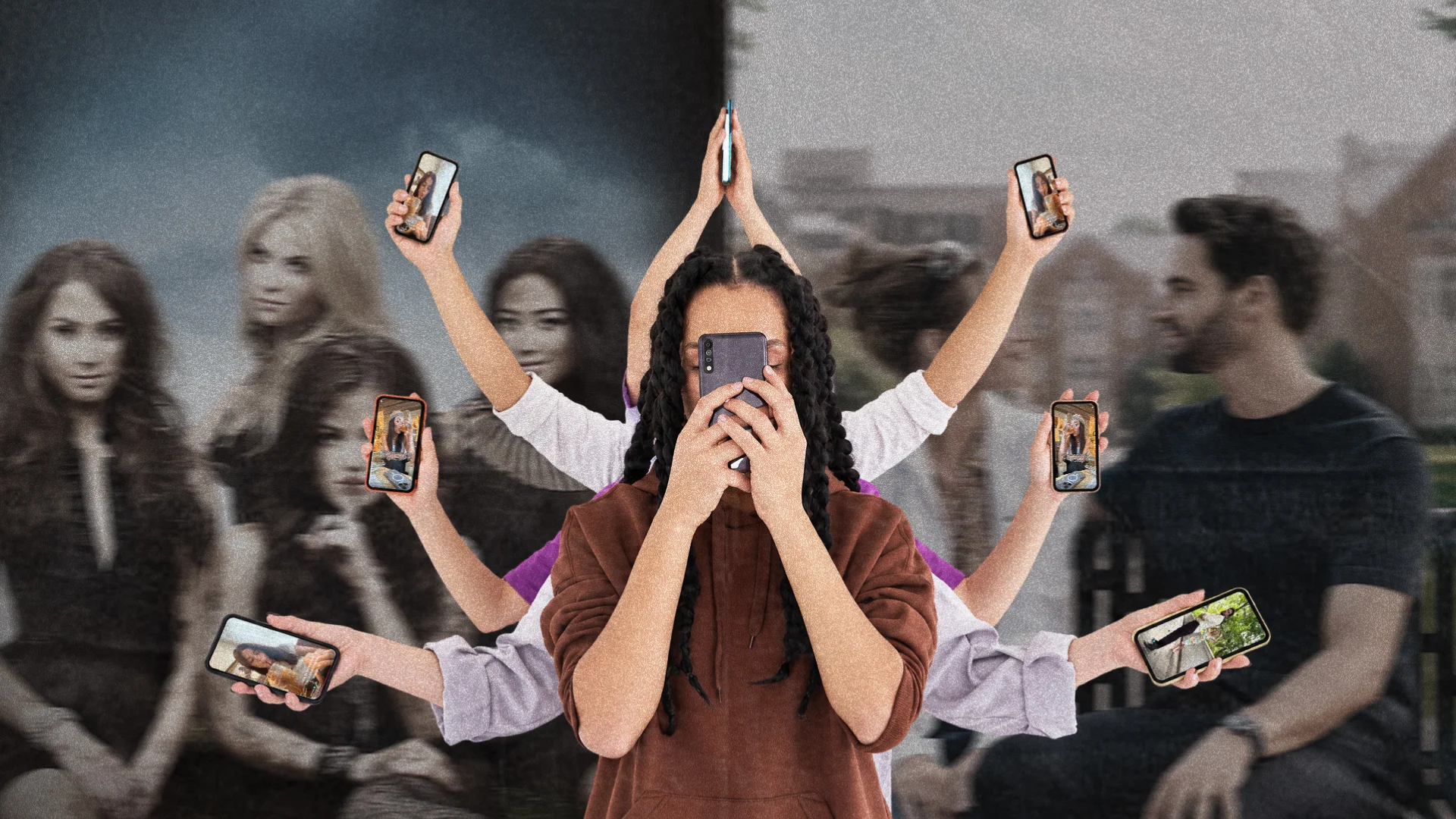
Learn how Pretty Little Liars and The Love Hypothesis turn fans into engines for fan-generated content, and what brands can learn about community-led growth.
5 min
|


Need help scaling?
Book a strategy call with our expert team to audit your current UGC setup.
