



The Sirens Scene Meme: Why One Scene From The Odyssey Became the Internet's Most Replicated Meme Format
The Sirens Scene Meme: Why One Scene From The Odyssey Became the Internet's Most Replicated Meme Format
Learn why The Odyssey's Sirens scene became a viral meme template and what creators and brands can learn about scalable UGC from its structure.
Published:

Read Time:

4 min

Written by:
Fawwaz
Trend Research and Copywriter
THE MOVIE IS A HIT, AND THE POSTERS ARE EVERYWHERE
Even if you haven’t seen The Odyssey, you’ve probably seen that image on social media, where Matt Damon is tied to a wooden pole with suffering expression on his face.
THE MOVIE IS A HIT, AND THE POSTERS ARE EVERYWHERE
Even if you haven’t seen The Odyssey, you’ve probably seen that image on social media, where Matt Damon is tied to a wooden pole with suffering expression on his face.
THE MOVIE IS A HIT, AND THE POSTERS ARE EVERYWHERE
Even if you haven’t seen The Odyssey, you’ve probably seen that image on social media, where Matt Damon is tied to a wooden pole with suffering expression on his face.
Within days of the release of The Odyssey, the scene where Matt Damon is tied to a wooden pole went viral beyond movie theaters and found a second life on TikTok, X, Instagram, Reddit, and meme communities. In that scene, Matt Damon is tormented by the Sirens’ song, while creators later turned it into a meme and replaced the Sirens with all sorts of things, from the temptation of online shopping to unread emails, late-night snacks, fantasy football, and AI tools.
People adapt the scene to their own everyday situations, making the humor feel highly relatable, which is what makes the meme so compelling. Beyond that, it is frequently adapted and imitated because it is so easy to replicate; this encourages many creators to produce their own versions, as the best memes essentially serve as creative frameworks that thousands of people can adapt for their respective audiences.
This article will explore how the meme phenomenon from the movie The Odyssey can offer valuable lessons for creators and brands about why a single scene in a movie can become a format. For creators, the existence of these memes means an opportunity to join an existing conversation without having to start from scratch. For brands, this phenomenon demonstrates how a strong visual structure can generate organic reach that no advertising budget could ever achieve.
Why This Scene Became a Meme
Not every memorable movie scene becomes internet culture, they have to contain this three characteristics that made replication almost inevitable:
1. An Absurd Situation That Feels FamiliarVery few people have ever been tied to a ship while mythical creatures try to lure them away. But viewers understand perfectly well that the point of the scene is about resisting temptation, and almost everyone has experienced their own temptations. That’s why this scene has been so successfully recreated, since everyone has their own definition of what disrupts their life and reimagines the scene with the temptations they personally face. For example:
The Siren distraction scene in The Odyssey serves as a flexible and easily adaptable metaphor, so many people recreate it according to their own circumstances. |
2. A Strong Emotional ExpressionA good meme often relies on exaggerated emotions, and this is evident in Matt Damon’s facial expression, which successfully conveys his struggle even before any caption appears. Tap to play Tap to play This gives creators room to reinterpret the scene, as the audience understands the emotion first, so the text merely adds context. Strongly conveyed visual emotions reduce the amount of explanation needed, making it easier to share. |
3. Serious Visuals, Everyday ProblemsThe original scene carries dramatic weight, but creators contrast that seriousness with entirely ordinary situations. It’s as simple as someone refusing to shop online, someone ignoring a group chat, or someone avoiding another software subscription. The greater the contrast, the stronger the joke because that balance between high drama and low stakes gives the format broad appeal. |
The Same Structure Exists in Other Viral Meme Formats
The Sirens meme actually follows a pattern shared by many of the internet's longest-lasting templates.
Drake Hotline Bling
It started with the music video for one of Drake’s songs; then, viewers noticed one of his funny moves and turned it into an image-based meme. The meme is simple, featuring two images of Drake’s hand and body movements that people interpret as “one option rejected, the other accepted,” and creators just need to change the captions.
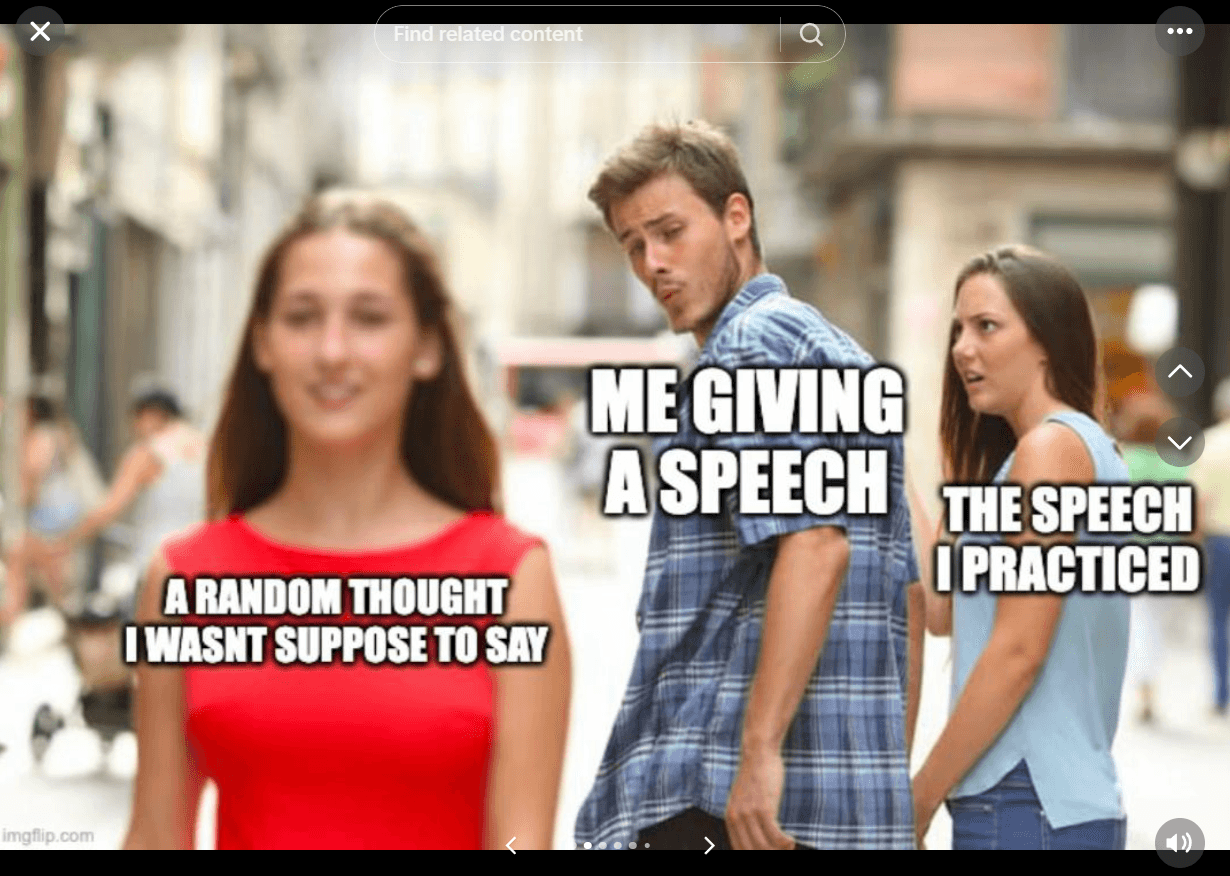
Distracted Boyfriend
This one is even easier because creators just need to add text overlays to replicate it.
Woman Yelling at Cat
This meme went viral because two contrasting emotions appear in a single image. Creators simply need to add text captions to provide context

Other Memes from The Odyssey
Not just The Sirens meme, there are many other scenes from the movie The Odyssey that creators have reimagined as memes. From the scene with Antinous at the feast, Odysseus stringing his bow, Agamemnon waits outside the gates of Troy, to Travis Scott as Phemius performing a song about Odysseus.
All of these memes follow the same formula: clear visual contrast, recognizable emotional expressions, and empty space for creators to insert their own meaning. That’s why they all, including The Sirens, work as memes, because the structure provided by the movie is reimagined more creatively by the internet.
Why This Matters for Creators
For smaller creators, joining an existing cultural conversation is often easier than starting one from scratch, and trending movie memes offer the perfect opportunity to do just that.
When a major movie dominates search results and social media, the audience already understands the references. Creators then simply need to connect those references to their own niche. For example, a productivity creator might compare Siren to procrastination, a fitness creator might swap it out for fast food, and a marketer might use the format to represent the pursuit of vanity metrics.
The basic structure remains the same, but the context is adapted to each creator’s specific situation. This lowers the barrier to creativity while increasing discoverability, since the audience already recognizes the template. So instead of competing for attention on something that doesn’t exist, creators are joining a conversation that already has momentum.
What Brands Can Learn
Many brands misunderstand memes and treat them as advertising space. In reality, successful brands should treat memes as a form of cultural participation. This is because once a meme has gone viral, the audience is more interested in seeing other creative interpretations than in seeing an advertisement. Understanding this distinction is crucial for capturing public attention, for example, a software company that adapts the Siren template to highlight feature benefits, a coffee brand that uses it to express resistance to buying overpriced coffee at cafes, or a productivity app that positions distractions as the Siren.
Each example feels natural because the product supports the existing joke rather than disrupting it. This strategy is effective because brands that simply place their logo over the original image typically receive little engagement. On the other hand, brands that contribute to the conversation often gain reach from momentum they didn’t create themselves.
Great Memes Are Designed for Participation
The Sirens scene demonstrates an important principle for modern content marketing. The most valuable viral moments are often those that invite audiences to become creators themselves. A memorable visual, a relatable emotion, and a simple structure give thousands of people permission to reinterpret the same idea through their own experiences.
That principle extends far beyond movies. Brands, creators, and marketers can all benefit from designing content that is easy to adapt rather than difficult to copy. Participation scales further than repetition.
This is one reason Masterhooks studies meme culture alongside creator marketing. The strongest UGC formats are not always built around original ideas. Many succeed because they provide a structure that other people naturally want to recreate, remix, and share.
Interested in designing memes for participation?
Interested in designing memes for participation?
Within days of the release of The Odyssey, the scene where Matt Damon is tied to a wooden pole went viral beyond movie theaters and found a second life on TikTok, X, Instagram, Reddit, and meme communities. In that scene, Matt Damon is tormented by the Sirens’ song, while creators later turned it into a meme and replaced the Sirens with all sorts of things, from the temptation of online shopping to unread emails, late-night snacks, fantasy football, and AI tools.
People adapt the scene to their own everyday situations, making the humor feel highly relatable, which is what makes the meme so compelling. Beyond that, it is frequently adapted and imitated because it is so easy to replicate; this encourages many creators to produce their own versions, as the best memes essentially serve as creative frameworks that thousands of people can adapt for their respective audiences.
This article will explore how the meme phenomenon from the movie The Odyssey can offer valuable lessons for creators and brands about why a single scene in a movie can become a format. For creators, the existence of these memes means an opportunity to join an existing conversation without having to start from scratch. For brands, this phenomenon demonstrates how a strong visual structure can generate organic reach that no advertising budget could ever achieve.
Why This Scene Became a Meme
Not every memorable movie scene becomes internet culture, they have to contain this three characteristics that made replication almost inevitable:
1. An Absurd Situation That Feels FamiliarVery few people have ever been tied to a ship while mythical creatures try to lure them away. But viewers understand perfectly well that the point of the scene is about resisting temptation, and almost everyone has experienced their own temptations. That’s why this scene has been so successfully recreated, since everyone has their own definition of what disrupts their life and reimagines the scene with the temptations they personally face. For example:
The Siren distraction scene in The Odyssey serves as a flexible and easily adaptable metaphor, so many people recreate it according to their own circumstances. |
2. A Strong Emotional ExpressionA good meme often relies on exaggerated emotions, and this is evident in Matt Damon’s facial expression, which successfully conveys his struggle even before any caption appears. Tap to play Tap to play This gives creators room to reinterpret the scene, as the audience understands the emotion first, so the text merely adds context. Strongly conveyed visual emotions reduce the amount of explanation needed, making it easier to share. |
3. Serious Visuals, Everyday ProblemsThe original scene carries dramatic weight, but creators contrast that seriousness with entirely ordinary situations. It’s as simple as someone refusing to shop online, someone ignoring a group chat, or someone avoiding another software subscription. The greater the contrast, the stronger the joke because that balance between high drama and low stakes gives the format broad appeal. |
The Same Structure Exists in Other Viral Meme Formats
The Sirens meme actually follows a pattern shared by many of the internet's longest-lasting templates.
Drake Hotline Bling
It started with the music video for one of Drake’s songs; then, viewers noticed one of his funny moves and turned it into an image-based meme. The meme is simple, featuring two images of Drake’s hand and body movements that people interpret as “one option rejected, the other accepted,” and creators just need to change the captions.
Distracted Boyfriend
This one is even easier because creators just need to add text overlays to replicate it.
Woman Yelling at Cat
This meme went viral because two contrasting emotions appear in a single image. Creators simply need to add text captions to provide context
Other Memes from The Odyssey
Not just The Sirens meme, there are many other scenes from the movie The Odyssey that creators have reimagined as memes. From the scene with Antinous at the feast, Odysseus stringing his bow, Agamemnon waits outside the gates of Troy, to Travis Scott as Phemius performing a song about Odysseus.
All of these memes follow the same formula: clear visual contrast, recognizable emotional expressions, and empty space for creators to insert their own meaning. That’s why they all, including The Sirens, work as memes, because the structure provided by the movie is reimagined more creatively by the internet.
Why This Matters for Creators
For smaller creators, joining an existing cultural conversation is often easier than starting one from scratch, and trending movie memes offer the perfect opportunity to do just that.
When a major movie dominates search results and social media, the audience already understands the references. Creators then simply need to connect those references to their own niche. For example, a productivity creator might compare Siren to procrastination, a fitness creator might swap it out for fast food, and a marketer might use the format to represent the pursuit of vanity metrics.
The basic structure remains the same, but the context is adapted to each creator’s specific situation. This lowers the barrier to creativity while increasing discoverability, since the audience already recognizes the template. So instead of competing for attention on something that doesn’t exist, creators are joining a conversation that already has momentum.
What Brands Can Learn
Many brands misunderstand memes and treat them as advertising space. In reality, successful brands should treat memes as a form of cultural participation. This is because once a meme has gone viral, the audience is more interested in seeing other creative interpretations than in seeing an advertisement. Understanding this distinction is crucial for capturing public attention, for example, a software company that adapts the Siren template to highlight feature benefits, a coffee brand that uses it to express resistance to buying overpriced coffee at cafes, or a productivity app that positions distractions as the Siren.
Each example feels natural because the product supports the existing joke rather than disrupting it. This strategy is effective because brands that simply place their logo over the original image typically receive little engagement. On the other hand, brands that contribute to the conversation often gain reach from momentum they didn’t create themselves.
Great Memes Are Designed for Participation
The Sirens scene demonstrates an important principle for modern content marketing. The most valuable viral moments are often those that invite audiences to become creators themselves. A memorable visual, a relatable emotion, and a simple structure give thousands of people permission to reinterpret the same idea through their own experiences.
That principle extends far beyond movies. Brands, creators, and marketers can all benefit from designing content that is easy to adapt rather than difficult to copy. Participation scales further than repetition.
This is one reason Masterhooks studies meme culture alongside creator marketing. The strongest UGC formats are not always built around original ideas. Many succeed because they provide a structure that other people naturally want to recreate, remix, and share.
Interested in designing memes for participation?
Related Reading
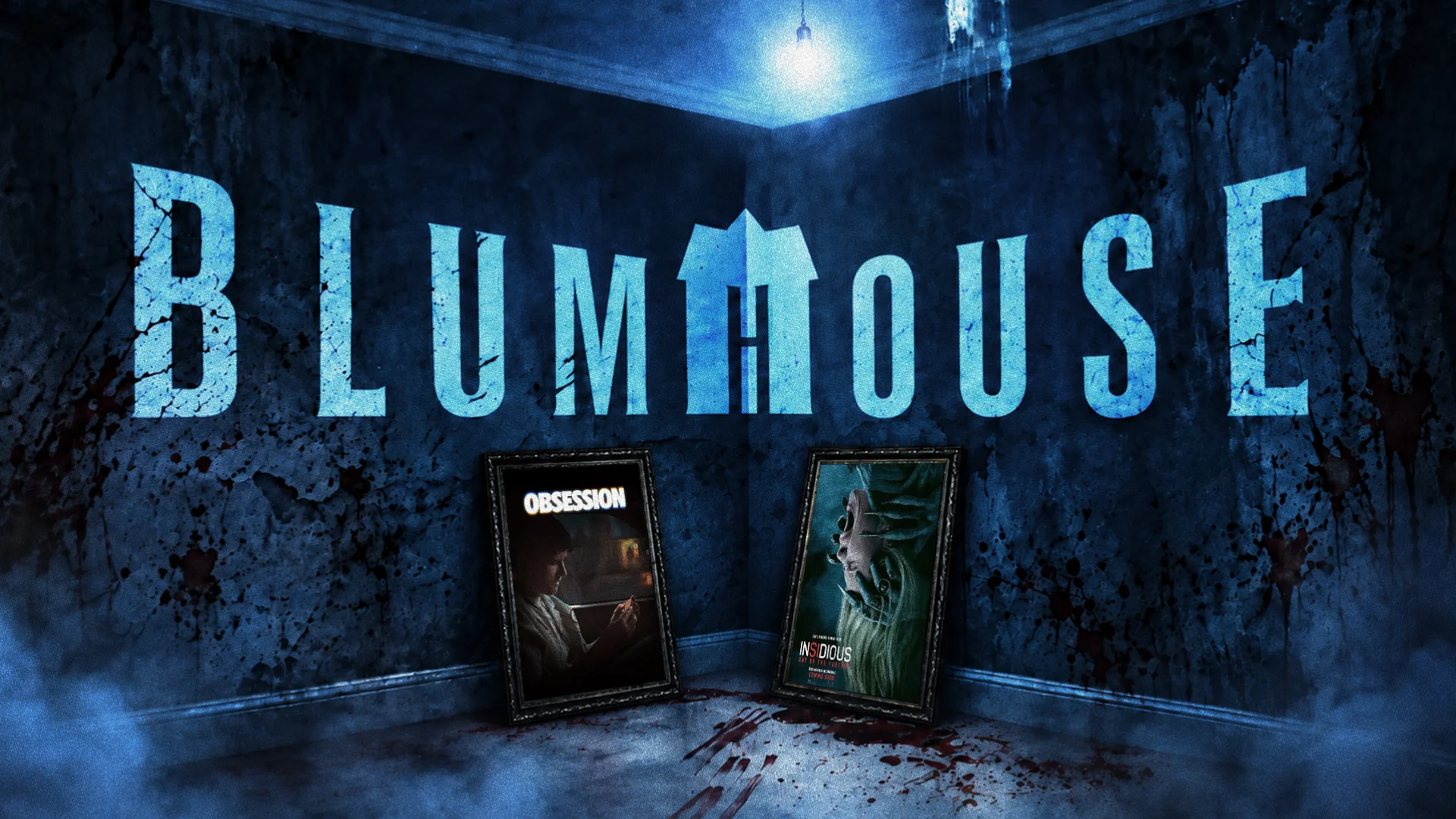
How Blumhouse Built a $740M Horror Franchise by Spending Less Than Any Competitor
4 min
|
How to Find & Choose the Right Influencer for Your Brand (Without Getting Burned)
5 min
|

What Is Influencer Marketing? A No-Fluff Guide for Brands Ready to Actually Use It
5 min
|

Need help scaling?
Book a strategy call with our expert team to audit your current UGC setup.
Related Reading
How Blumhouse Built a $740M Horror Franchise by Spending Less Than Any Competitor
How Blumhouse turned low-budget horror into a repeatable franchise model using controlled costs, social amplification, and audience-driven content.
4 min
|
How Blumhouse Built a $740M Horror Franchise by Spending Less Than Any Competitor
How Blumhouse turned low-budget horror into a repeatable franchise model using controlled costs, social amplification, and audience-driven content.
4 min
|
How to Find & Choose the Right Influencer for Your Brand (Without Getting Burned)
Learn how to find influencers for your brand using audience fit, engagement quality, growth patterns, content quality, and campaign history.
5 min
|
How to Find & Choose the Right Influencer for Your Brand (Without Getting Burned)
Learn how to find influencers for your brand using audience fit, engagement quality, growth patterns, content quality, and campaign history.
5 min
|
What Is Influencer Marketing? A No-Fluff Guide for Brands Ready to Actually Use It
Ready to use influencer marketing for your brands? Learn influencer types, campaign models, costs, ROI, measurement, and how to choose the right creators.
5 min
|
What Is Influencer Marketing? A No-Fluff Guide for Brands Ready to Actually Use It
Ready to use influencer marketing for your brands? Learn influencer types, campaign models, costs, ROI, measurement, and how to choose the right creators.
5 min
|