



The Odyssey's Marketing Playbook: What Brands Can Learn From a $264M Opening
The Odyssey's Marketing Playbook: What Brands Can Learn From a $264M Opening
Learn how The Odyssey used scarcity, exclusive IMAX experiences, and FOMO to drive a $264M opening and millions of dollars in earned media.
Published:

Read Time:

4 min

Written by:
Fawwaz
Trend Research and Copywriter
$264.1 MILLION IN ITS FIRST WEEK
Even before audiences stepped into theaters, The Odyssey had already broken records with its first trailer racking up 121.4 million views in the first 24 hours, making it Universal’s biggest trailer launch of all time.
$264.1 MILLION IN ITS FIRST WEEK
Even before audiences stepped into theaters, The Odyssey had already broken records with its first trailer racking up 121.4 million views in the first 24 hours, making it Universal’s biggest trailer launch of all time.
$264.1 MILLION IN ITS FIRST WEEK
Even before audiences stepped into theaters, The Odyssey had already broken records with its first trailer racking up 121.4 million views in the first 24 hours, making it Universal’s biggest trailer launch of all time.
These numbers have led many to wonder why so many people felt they had to see the movie right away, and it certainly wasn’t just because Christopher Nolan directed it.
Many people felt compelled to see The Odyssey immediately because Universal crafted a release strategy that made waiting feel like missing out. Instead of making the film available to everyone right away, the studio increased its value by limiting access.
This article will discuss the strategy used by Universal, how it succeeded, its impact on The Odyssey’s box office performance, and how this case study and approach can serve as a strategic marketing move that marketers might replicate for their own brands.
Scarcity Was Part of the Product
Most blockbuster movies try to reach as many people as possible, but Universal is taking a different approach by limiting access.
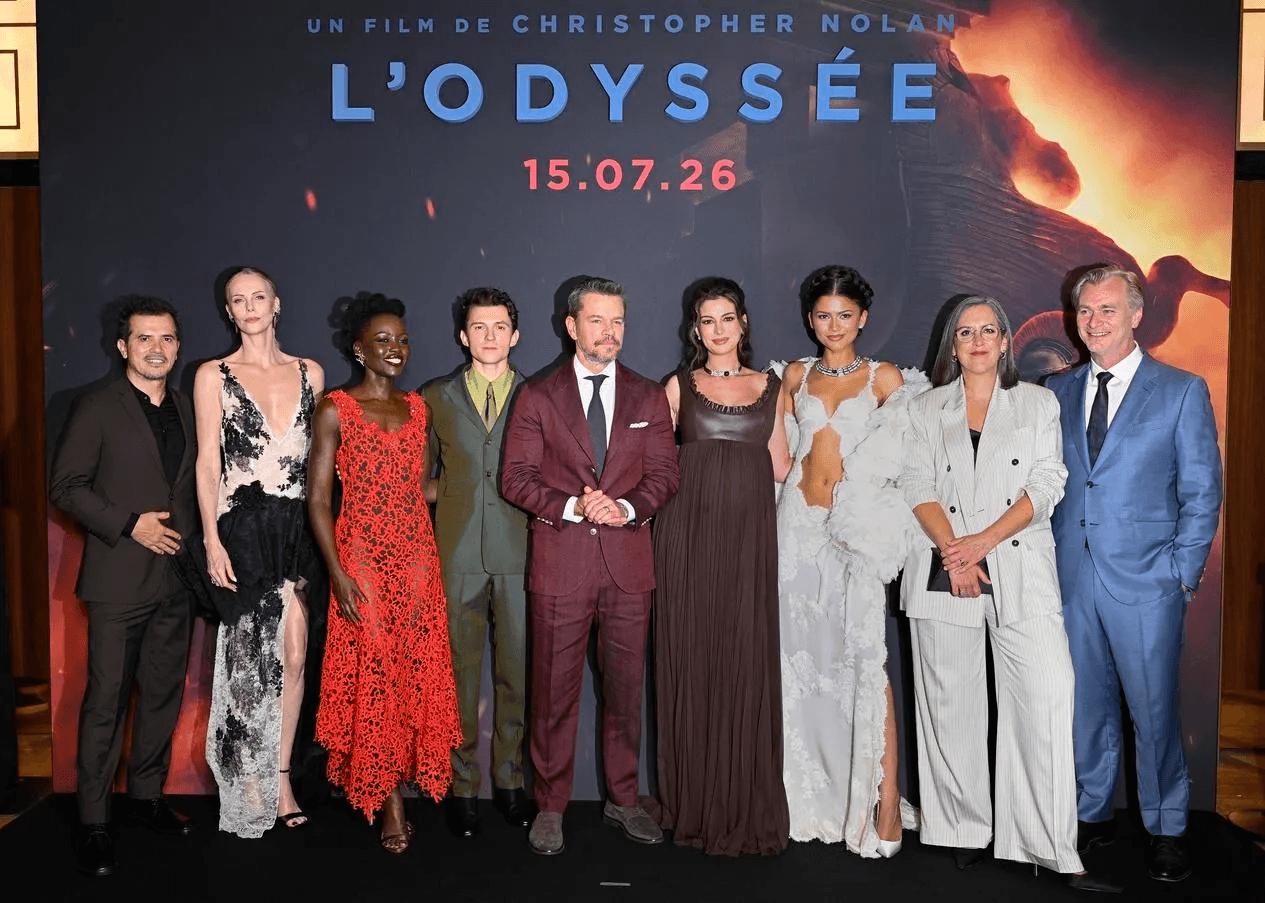
One of the most talked-about decisions was skipping a special premiere for influencers. Instead of flooding social media with hundreds of early reactions, the studio limited who could see the film before its release. This decision signaled confidence while also preserving the experience for paying audiences.
The second decision proved to be even more impactful, when they had to ensure that The Odyssey received an exclusive three-week IMAX window. This means that audiences seeking the full experience have a limited opportunity and must rush to see it before it leaves IMAX theaters. This move elevates The Odyssey from simply a movie to watch to something that must be secured.
This scarcity increased urgency and changed the conversation from:
"Should I see it?" → "Can I still get tickets?"
Why Exclusivity Increased Demand
Some people may wonder how exclusivity can actually increase demand. The key lies in creating scarcity, making limited opportunities feel more valuable because delaying a decision can feel like a guaranteed loss.
In the context of The Odyssey, that loss is missing out on the viewing experience Christopher Nolan intended for audiences. The result was extraordinary demand for premium screenings several months before the release, with some venues adding all-night showings to meet the demand.
Why Scarcity Creates Organic UGC
One of the most valuable outcomes of scarcity isn’t direct sales, but rather the conversations it sparks.
When people attend an experience that isn’t easily accessible to others, they feel special because their friends may not have the same opportunity to watch The Odyssey in IMAX 70mm. Then they post their movie tickets, share their theater experience, take photos of the screen, and even write reviews about the experience.
These actions serve as social proof, demonstrating how people document their participation in exclusive events, going beyond simply recommending a movie to others. This distinction explains why premium experiences often generate a disproportionate amount of user-generated content. This is because the content created doesn’t just discuss the product itself but also showcases that limited access.
The Role of FOMO
You may have heard this term often, but what is frequently misunderstood by the public is that Fear of Missing Out (FOMO) isn’t just anxiety, but a mechanism of social comparison
What this means is that when an audience repeatedly sees their friends attending exclusive experiences, those events become increasingly desirable. In the context of the film The Odyssey, this means that every ticket shared on social media, every selfie taken at the theater, and every post implying that “every minute is precious” reinforces the feeling that participation is important.
All forms of content shared by moviegoers make those who haven’t seen the film yet feel FOMO and are motivated to rush to the theater, so that every post shared reinforces each other’s campaigns. As more people participate, more content is created, which in turn drives up demand. This surge in demand then creates additional scarcity, especially when demand exceeds the available supply.
The Format Became Part of the Story
One of the most revealing statistics from opening weekend was that about half of moviegoers chose Premium Large Format (PLF) screenings, including IMAX, Dolby Cinema, ScreenX, and 4DX.
That did not happen by accident since Universal spent months positioning IMAX as an essential part of the experience rather than an optional upgrade. At first, people might not be very interested in those differences, but then marketing repeatedly emphasized that the film was the first narrative feature shot entirely with IMAX cameras.
It is this emphasis on the IMAX format as something special that ultimately draws audiences to the theater. The reason is no longer simply to watch a movie, but to experience a format in a class of its own, especially in the world of cinema.
When brands successfully elevate the experience surrounding a product, they reduce direct price comparisons. This makes customers change their question:
"Is this worth the extra cost?" → "When can I experience this?"
What Non-Film Brands Can Apply
Most companies cannot release an IMAX film the same way, but they can adopt these same strategic principles:
1. Create Limited AccessYou can try offering access to early releases, hosting invitation-only launch events, producing limited quantities, or restricting the purchase window to a specific time period. Whichever method you choose, you must ensure that the sense of scarcity feels authentic, not artificial. |
2. Build Experiences Worth SharingProducts alone rarely spark conversation; experiences play a key role in doing so. So create a unique experience for your brand, ranging from exclusive events, personalized assistance, behind-the-scenes access, to interactive demonstrations. This is important because these moments naturally encourage customers to document their participation. |
3. Give Customers Something to ProvePeople love to show that they discovered something early, attended an exclusive event, or received something not available to others. So you need to design campaigns that make participation socially meaningful. You can use a User-Generated Content (UGC) strategy because this type of content carries greater credibility than paid promotions. |
4. Market the Format, Not Just the ProductSometimes the delivery method deserves its own campaign. Take The Odyssey, for example, which marketed not only the story but also the IMAX format. Brands can apply the same principle by highlighting how customers experience their products, not just what the products do. |
Designing Experiences People Want to Share
The Odyssey demonstrated that marketing becomes more effective when attendance itself carries meaning. Universal did not depend solely on advertising volume. It designed a launch that rewarded early participation, encouraged conversation, and made the viewing experience feel difficult to replace.
Most brands do not have blockbuster budgets, but they can apply the same thinking. Limited access, distinctive experiences, and meaningful moments often generate stronger organic advocacy than campaigns built only around reach.
This is one reason Masterhooks regularly studies cultural moments beyond advertising itself. The most valuable marketing lessons often emerge from understanding why people voluntarily become distributors, and how carefully designed experiences encourage audiences to create content without being asked.
Interested in designing experience for your brand?
Interested in designing experience for your brand?
These numbers have led many to wonder why so many people felt they had to see the movie right away, and it certainly wasn’t just because Christopher Nolan directed it.
Many people felt compelled to see The Odyssey immediately because Universal crafted a release strategy that made waiting feel like missing out. Instead of making the film available to everyone right away, the studio increased its value by limiting access.
This article will discuss the strategy used by Universal, how it succeeded, its impact on The Odyssey’s box office performance, and how this case study and approach can serve as a strategic marketing move that marketers might replicate for their own brands.
Scarcity Was Part of the Product
Most blockbuster movies try to reach as many people as possible, but Universal is taking a different approach by limiting access.
One of the most talked-about decisions was skipping a special premiere for influencers. Instead of flooding social media with hundreds of early reactions, the studio limited who could see the film before its release. This decision signaled confidence while also preserving the experience for paying audiences.
The second decision proved to be even more impactful, when they had to ensure that The Odyssey received an exclusive three-week IMAX window. This means that audiences seeking the full experience have a limited opportunity and must rush to see it before it leaves IMAX theaters. This move elevates The Odyssey from simply a movie to watch to something that must be secured.
This scarcity increased urgency and changed the conversation from:
"Should I see it?" → "Can I still get tickets?"
Why Exclusivity Increased Demand
Some people may wonder how exclusivity can actually increase demand. The key lies in creating scarcity, making limited opportunities feel more valuable because delaying a decision can feel like a guaranteed loss.
In the context of The Odyssey, that loss is missing out on the viewing experience Christopher Nolan intended for audiences. The result was extraordinary demand for premium screenings several months before the release, with some venues adding all-night showings to meet the demand.
Why Scarcity Creates Organic UGC
One of the most valuable outcomes of scarcity isn’t direct sales, but rather the conversations it sparks.
When people attend an experience that isn’t easily accessible to others, they feel special because their friends may not have the same opportunity to watch The Odyssey in IMAX 70mm. Then they post their movie tickets, share their theater experience, take photos of the screen, and even write reviews about the experience.
These actions serve as social proof, demonstrating how people document their participation in exclusive events, going beyond simply recommending a movie to others. This distinction explains why premium experiences often generate a disproportionate amount of user-generated content. This is because the content created doesn’t just discuss the product itself but also showcases that limited access.
The Role of FOMO
You may have heard this term often, but what is frequently misunderstood by the public is that Fear of Missing Out (FOMO) isn’t just anxiety, but a mechanism of social comparison
What this means is that when an audience repeatedly sees their friends attending exclusive experiences, those events become increasingly desirable. In the context of the film The Odyssey, this means that every ticket shared on social media, every selfie taken at the theater, and every post implying that “every minute is precious” reinforces the feeling that participation is important.
All forms of content shared by moviegoers make those who haven’t seen the film yet feel FOMO and are motivated to rush to the theater, so that every post shared reinforces each other’s campaigns. As more people participate, more content is created, which in turn drives up demand. This surge in demand then creates additional scarcity, especially when demand exceeds the available supply.
The Format Became Part of the Story
One of the most revealing statistics from opening weekend was that about half of moviegoers chose Premium Large Format (PLF) screenings, including IMAX, Dolby Cinema, ScreenX, and 4DX.
That did not happen by accident since Universal spent months positioning IMAX as an essential part of the experience rather than an optional upgrade. At first, people might not be very interested in those differences, but then marketing repeatedly emphasized that the film was the first narrative feature shot entirely with IMAX cameras.
It is this emphasis on the IMAX format as something special that ultimately draws audiences to the theater. The reason is no longer simply to watch a movie, but to experience a format in a class of its own, especially in the world of cinema.
When brands successfully elevate the experience surrounding a product, they reduce direct price comparisons. This makes customers change their question:
"Is this worth the extra cost?" → "When can I experience this?"
What Non-Film Brands Can Apply
Most companies cannot release an IMAX film the same way, but they can adopt these same strategic principles:
1. Create Limited AccessYou can try offering access to early releases, hosting invitation-only launch events, producing limited quantities, or restricting the purchase window to a specific time period. Whichever method you choose, you must ensure that the sense of scarcity feels authentic, not artificial. |
2. Build Experiences Worth SharingProducts alone rarely spark conversation; experiences play a key role in doing so. So create a unique experience for your brand, ranging from exclusive events, personalized assistance, behind-the-scenes access, to interactive demonstrations. This is important because these moments naturally encourage customers to document their participation. |
3. Give Customers Something to ProvePeople love to show that they discovered something early, attended an exclusive event, or received something not available to others. So you need to design campaigns that make participation socially meaningful. You can use a User-Generated Content (UGC) strategy because this type of content carries greater credibility than paid promotions. |
4. Market the Format, Not Just the ProductSometimes the delivery method deserves its own campaign. Take The Odyssey, for example, which marketed not only the story but also the IMAX format. Brands can apply the same principle by highlighting how customers experience their products, not just what the products do. |
Designing Experiences People Want to Share
The Odyssey demonstrated that marketing becomes more effective when attendance itself carries meaning. Universal did not depend solely on advertising volume. It designed a launch that rewarded early participation, encouraged conversation, and made the viewing experience feel difficult to replace.
Most brands do not have blockbuster budgets, but they can apply the same thinking. Limited access, distinctive experiences, and meaningful moments often generate stronger organic advocacy than campaigns built only around reach.
This is one reason Masterhooks regularly studies cultural moments beyond advertising itself. The most valuable marketing lessons often emerge from understanding why people voluntarily become distributors, and how carefully designed experiences encourage audiences to create content without being asked.
Interested in designing experience for your brand?
Related Reading


Need help scaling?
Book a strategy call with our expert team to audit your current UGC setup.
Related Reading

What Is a UGC Hook? And How Is It Different From a Regular Hook?
Learn what a UGC hook is, why it's different from regular content hooks, and discover six proven hook types with examples for higher-performing UGC.
6 min
|
What Is a UGC Hook? And How Is It Different From a Regular Hook?
Learn what a UGC hook is, why it's different from regular content hooks, and discover six proven hook types with examples for higher-performing UGC.
6 min
|

What The Odyssey and Spider-Man: Brand New Day Have in Common (Besides Tom Holland and Zendaya)
Learn how The Odyssey and Spider-Man: Brand New Day used opposite marketing strategies to generate massive organic UGC and audience engagement.
4 min
|
What The Odyssey and Spider-Man: Brand New Day Have in Common (Besides Tom Holland and Zendaya)
Learn how The Odyssey and Spider-Man: Brand New Day used opposite marketing strategies to generate massive organic UGC and audience engagement.
4 min
|
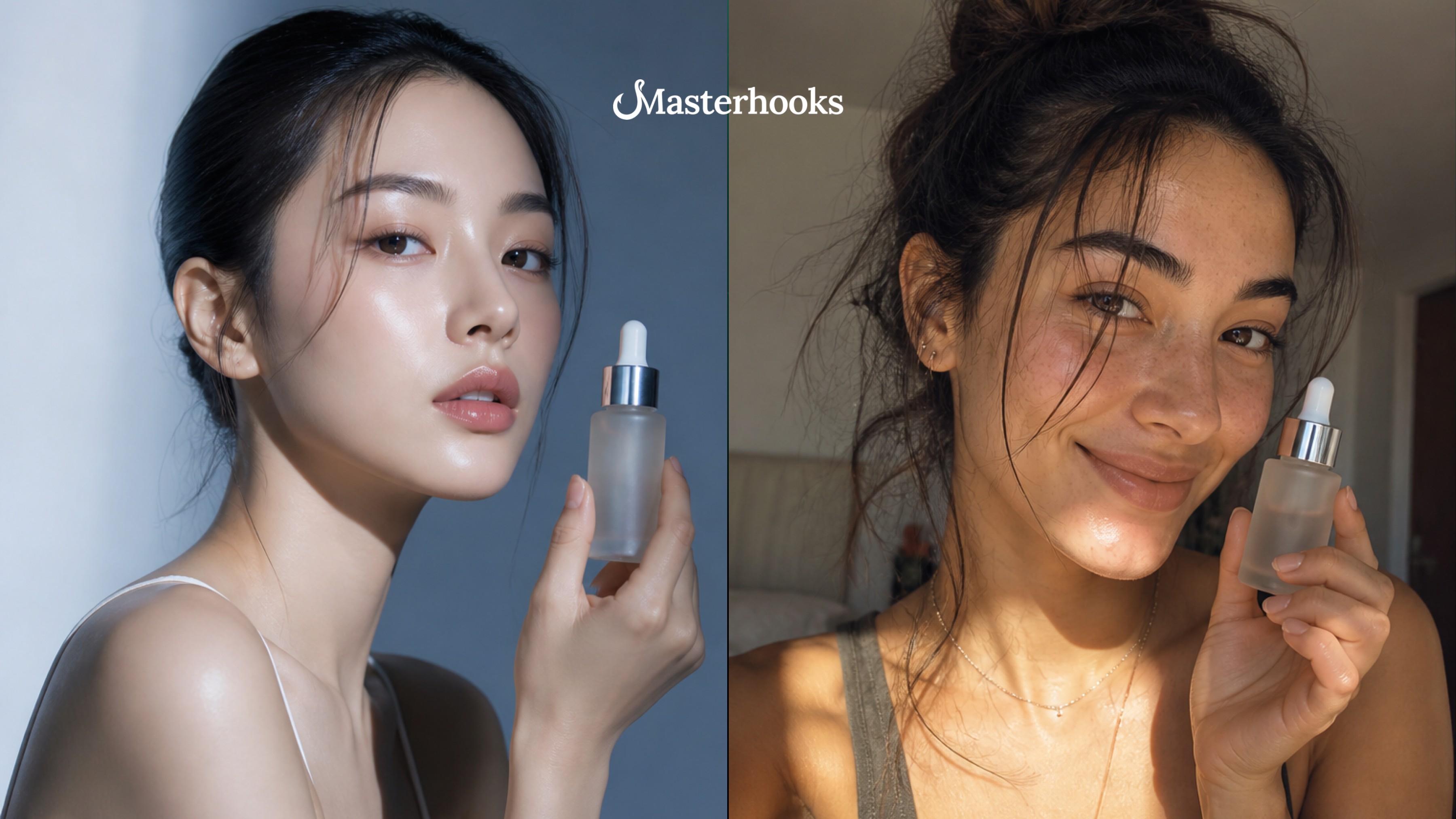
AI-Generated UGC vs. Human UGC: What Brands Need to Know Before Choosing
AI UGC is cheaper and faster. Human UGC converts better. Here's the honest breakdown of when to use each — and why the best brands are combining both.
5 min
|
AI-Generated UGC vs. Human UGC: What Brands Need to Know Before Choosing
AI UGC is cheaper and faster. Human UGC converts better. Here's the honest breakdown of when to use each — and why the best brands are combining both.
5 min
|