



How Latin America Became Spain's UGC Army at the World Cup Final
How Latin America Became Spain's UGC Army at the World Cup Final
Spain won the World Cup, but its biggest advantage was millions of unpaid creators. Learn why emotional stakes generate stronger UGC than budgets.
Published:

Read Time:

2 min

Written by:
Fawwaz
Trend Research and Copywriter
THEY WON MORE THAN JUST THE WORLD CUP
Spain’s victory at the 2026 FIFA World Cup was inseparable from the overwhelming support of its fans. It’s common for the people of a country to support their national team that is competing in the World Cup. But this time, something extraordinary happened where many of the posts supporting Spain actually came from people outside Spain.
THEY WON MORE THAN JUST THE WORLD CUP
Spain’s victory at the 2026 FIFA World Cup was inseparable from the overwhelming support of its fans. It’s common for the people of a country to support their national team that is competing in the World Cup. But this time, something extraordinary happened where many of the posts supporting Spain actually came from people outside Spain.
THEY WON MORE THAN JUST THE WORLD CUP
Spain’s victory at the 2026 FIFA World Cup was inseparable from the overwhelming support of its fans. It’s common for the people of a country to support their national team that is competing in the World Cup. But this time, something extraordinary happened where many of the posts supporting Spain actually came from people outside Spain.
A few hours before the final, social media was flooded with millions of posts supporting Spain in their match against Argentina. These posts came not only from people in Spain, but also from Mexico, Colombia, Chile, Peru, and even Uruguay. Across Latin America, content creators, meme pages, soccer fans, and ordinary viewers united in support of Spain driven not by a love for Spain, but by a long-standing soccer rivalry and the narrative surrounding Argentina. The media described the moment as a region uniting against Argentina, rather than simply supporting Spain.
What’s unique is that there was no coordinated campaign behind this, nor were there any influencer contracts or creator guidelines distributed. This support for Spain emerged organically as one of the largest waves of unpaid content any brand or team could hope for. Therefore, this article will explore this story as a valuable lesson to reveal why the best User-Generated Content (UGC) often stems from emotional investment, not financial investment.
Anatomy of an Organic UGC Army
A viral image captured the atmosphere before the match began, showing Lamine Yamal wearing a Brazil jersey alongside a caption describing him as “the hope of the Brazilian people.”
The image spread rapidly throughout the soccer community, starting as a meme, becoming a template, and eventually serving as a conversation starter. At the same time, content creators from Mexico, Colombia, Chile, and other countries posted videos explaining why they wanted Spain to win. Some referenced historic soccer rivalries, while others revisited the long-standing debate over refereeing decisions and the perception that FIFA favors Argentina.
When Ferran Torres scored in the 106th minute to secure Spain’s 1-0 victory, the conversation heated up again. A second wave of memes, reaction videos, celebration clips, and comments flooded social media platforms across Latin America.
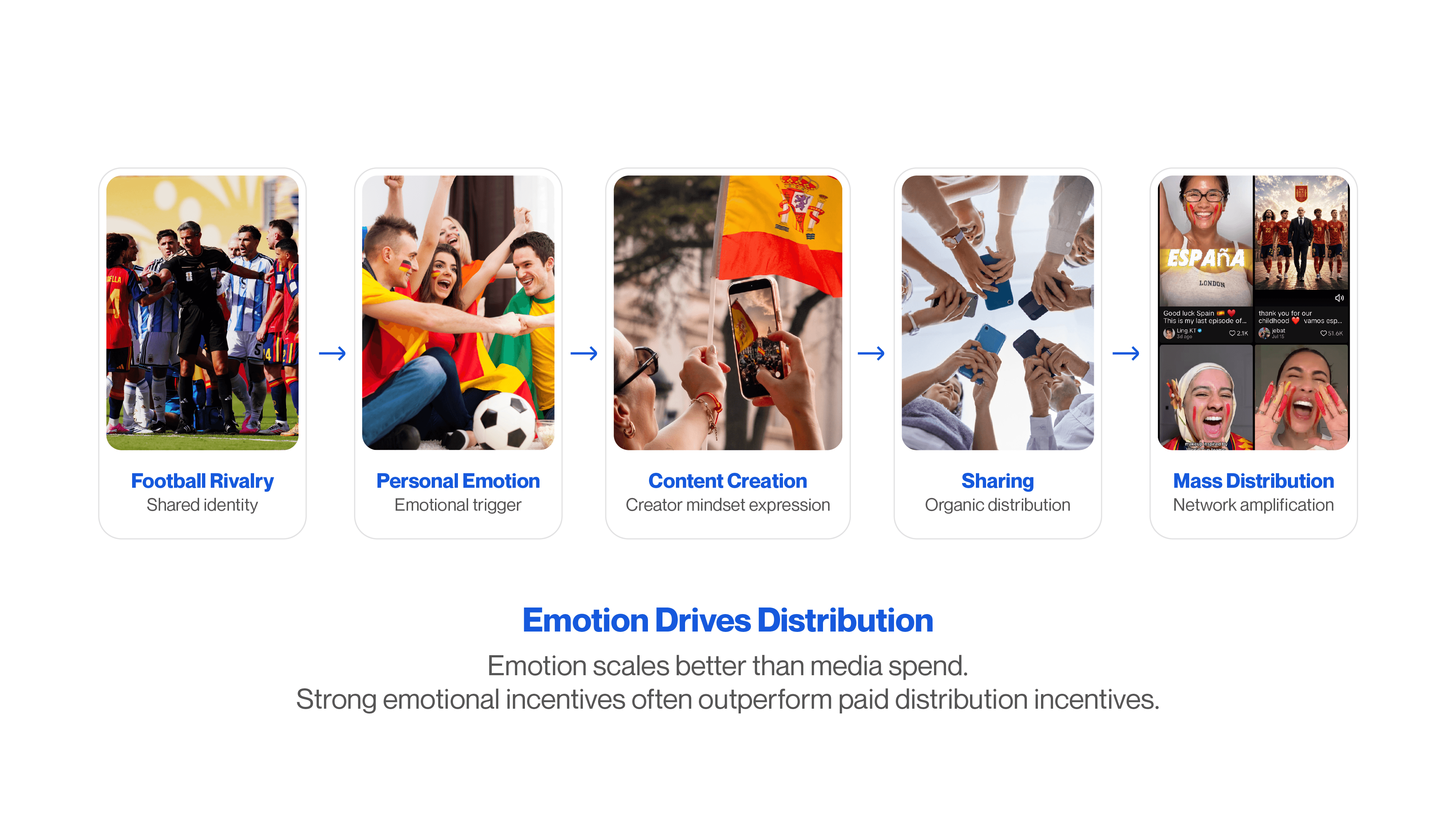
The key point is that none of this content required coordination to emerge, as each creator had their own distinct reasons for participating. The mechanism was entirely organic, yet the result looked like a campaign.
Why Emotional Stakes Generate UGC That Money Can't Buy
People create UGC (User-Generated Content) for various reasons, such as hoping to receive rewards, seeking recognition, or simply as a form of self-expression. However, a single motivation can consistently generate extraordinary participation. This happens because of the emotions embedded in the content they create.
When people feel strongly about an event, they stop acting like spectators and start striving to become contributors. During the World Cup final, supporting Spain became a way for many fans to express their identity and sense of rivalry. Spain just happened to be the symbol that allowed those emotions to surface.
This is an important distinction to note. In the case of support for Spain, the public’s emotional energy already existed, and the soccer match simply gave people a reason to express it. This helps explain why emotionally charged events often generate a large amount of content without requiring an advertising budget. This is because such content isn’t created because someone asked for it, but rather because people are driven to participate.
Three Common Motivations Behind UGC
Here are three things that generally motivate people to create UGC:
RewardPeople create content because they receive money, discounts, or recognition. |
IdentityPeople create content because it reflects who they are. |
EmotionPeople create content because they want to celebrate, argue, support, or react. |
The third category often creates the largest waves of organic participation because it is driven by internal motivation rather than external incentives.
What Brands Can Learn
Brands cannot recreate a century-old soccer rivalry, but they can learn from the structure behind the phenomenon.
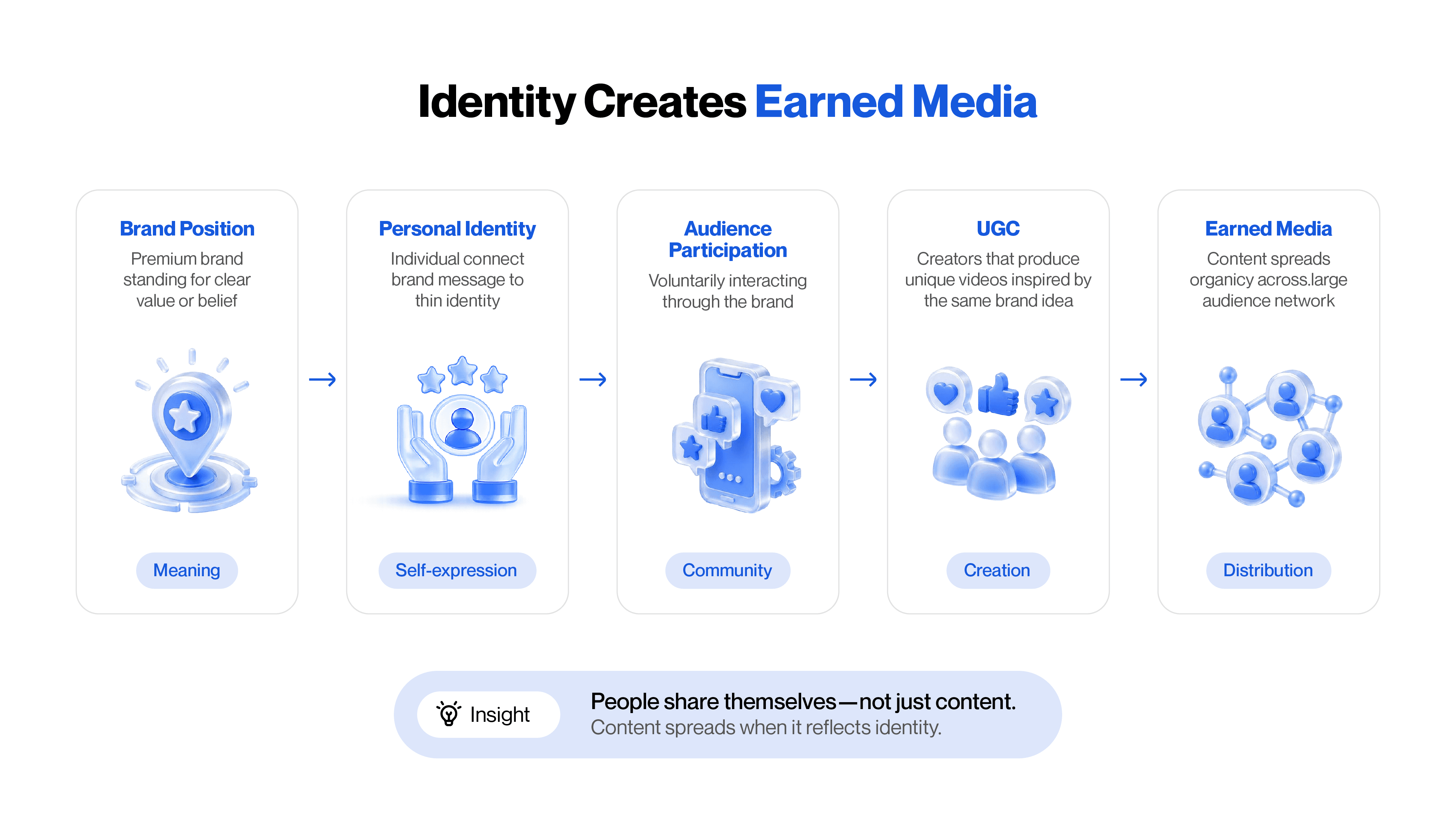
Campaigns that generate the most UGC (User-Generated Content) typically give people a reason to express something about themselves, whether it’s support, disagreement, a sense of belonging, or even identity. Participation increases when the audience feels that sharing content also communicates a personal stance, so brands need to shift their approach to evaluating campaigns from creating content that is simply enjoyable to creating content that motivates the audience to add their own perspectives.
Participation drives distribution, and distribution drives earned media. For brands interested in seeing how these lessons about supporting Spain can be applied to their own strategies, you can read a similar case study in a Masterhooks article that discusses How Levi’s, Beats, and Heinz Won the World Cup Without Paying FIFA a Single Dollar.
The Key is to Build Around Emotion
One of the biggest misconceptions in marketing is that the largest UGC campaigns are created by the largest budgets. The World Cup final demonstrated a different pattern. The most powerful distribution often comes from audiences who already have emotional reasons to participate before a campaign even begins.
For brands, that means looking beyond reach and focusing on motivation. When people feel personally connected to a story, they willingly become creators, distributors, and advocates without being asked.
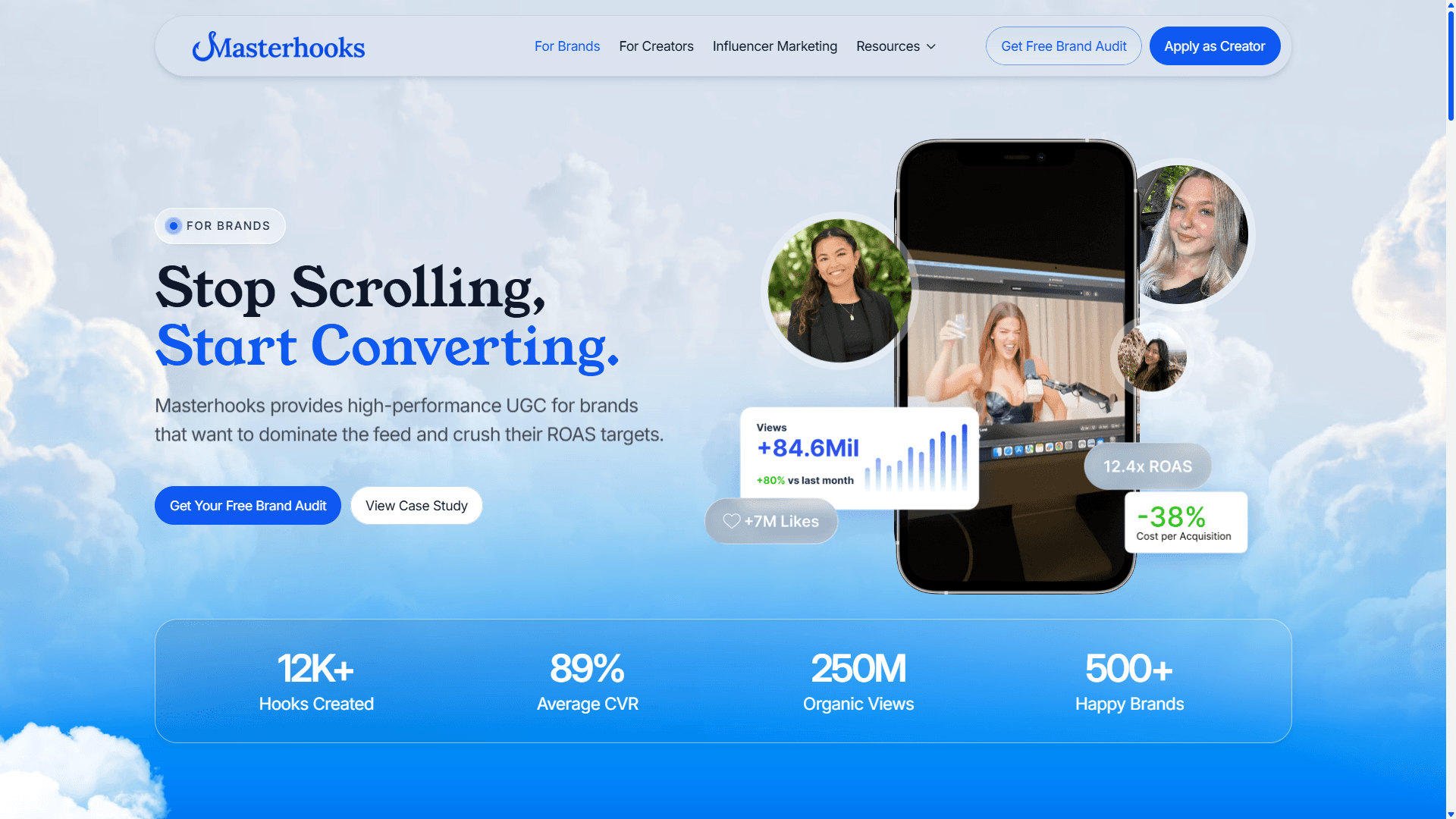
This is one reason Masterhooks regularly studies fan culture, creator behavior, and organic participation. The strongest UGC rarely begins with production. It begins with understanding why people choose to create content in the first place.
Ready to create your own wave of natural UGC?

Ready to create your own wave of natural UGC?
A few hours before the final, social media was flooded with millions of posts supporting Spain in their match against Argentina. These posts came not only from people in Spain, but also from Mexico, Colombia, Chile, Peru, and even Uruguay. Across Latin America, content creators, meme pages, soccer fans, and ordinary viewers united in support of Spain driven not by a love for Spain, but by a long-standing soccer rivalry and the narrative surrounding Argentina. The media described the moment as a region uniting against Argentina, rather than simply supporting Spain.
What’s unique is that there was no coordinated campaign behind this, nor were there any influencer contracts or creator guidelines distributed. This support for Spain emerged organically as one of the largest waves of unpaid content any brand or team could hope for. Therefore, this article will explore this story as a valuable lesson to reveal why the best User-Generated Content (UGC) often stems from emotional investment, not financial investment.
Anatomy of an Organic UGC Army
A viral image captured the atmosphere before the match began, showing Lamine Yamal wearing a Brazil jersey alongside a caption describing him as “the hope of the Brazilian people.”
The image spread rapidly throughout the soccer community, starting as a meme, becoming a template, and eventually serving as a conversation starter. At the same time, content creators from Mexico, Colombia, Chile, and other countries posted videos explaining why they wanted Spain to win. Some referenced historic soccer rivalries, while others revisited the long-standing debate over refereeing decisions and the perception that FIFA favors Argentina.
When Ferran Torres scored in the 106th minute to secure Spain’s 1-0 victory, the conversation heated up again. A second wave of memes, reaction videos, celebration clips, and comments flooded social media platforms across Latin America.
The key point is that none of this content required coordination to emerge, as each creator had their own distinct reasons for participating. The mechanism was entirely organic, yet the result looked like a campaign.
Why Emotional Stakes Generate UGC That Money Can't Buy
People create UGC (User-Generated Content) for various reasons, such as hoping to receive rewards, seeking recognition, or simply as a form of self-expression. However, a single motivation can consistently generate extraordinary participation. This happens because of the emotions embedded in the content they create.
When people feel strongly about an event, they stop acting like spectators and start striving to become contributors. During the World Cup final, supporting Spain became a way for many fans to express their identity and sense of rivalry. Spain just happened to be the symbol that allowed those emotions to surface.
This is an important distinction to note. In the case of support for Spain, the public’s emotional energy already existed, and the soccer match simply gave people a reason to express it. This helps explain why emotionally charged events often generate a large amount of content without requiring an advertising budget. This is because such content isn’t created because someone asked for it, but rather because people are driven to participate.
Three Common Motivations Behind UGC
Here are three things that generally motivate people to create UGC:
RewardPeople create content because they receive money, discounts, or recognition. |
IdentityPeople create content because it reflects who they are. |
EmotionPeople create content because they want to celebrate, argue, support, or react. |
The third category often creates the largest waves of organic participation because it is driven by internal motivation rather than external incentives.
What Brands Can Learn
Brands cannot recreate a century-old soccer rivalry, but they can learn from the structure behind the phenomenon.
Campaigns that generate the most UGC (User-Generated Content) typically give people a reason to express something about themselves, whether it’s support, disagreement, a sense of belonging, or even identity. Participation increases when the audience feels that sharing content also communicates a personal stance, so brands need to shift their approach to evaluating campaigns from creating content that is simply enjoyable to creating content that motivates the audience to add their own perspectives.
Participation drives distribution, and distribution drives earned media. For brands interested in seeing how these lessons about supporting Spain can be applied to their own strategies, you can read a similar case study in a Masterhooks article that discusses How Levi’s, Beats, and Heinz Won the World Cup Without Paying FIFA a Single Dollar.
The Key is to Build Around Emotion
One of the biggest misconceptions in marketing is that the largest UGC campaigns are created by the largest budgets. The World Cup final demonstrated a different pattern. The most powerful distribution often comes from audiences who already have emotional reasons to participate before a campaign even begins.
For brands, that means looking beyond reach and focusing on motivation. When people feel personally connected to a story, they willingly become creators, distributors, and advocates without being asked.
This is one reason Masterhooks regularly studies fan culture, creator behavior, and organic participation. The strongest UGC rarely begins with production. It begins with understanding why people choose to create content in the first place.
Ready to create your own wave of natural UGC?
Related Reading


Need help scaling?
Book a strategy call with our expert team to audit your current UGC setup.
Related Reading

How Marvel Built a 2.86 Billion Reach UGC Machine for Spider-Man: Brand New Day
Discover how Marvel generated 2.86 billion social reach for Spider-Man: Brand New Day using fan contests, brand partnerships, and emotional storytelling.
4 min
|
How Marvel Built a 2.86 Billion Reach UGC Machine for Spider-Man: Brand New Day
Discover how Marvel generated 2.86 billion social reach for Spider-Man: Brand New Day using fan contests, brand partnerships, and emotional storytelling.
4 min
|

Top 10 Best UGC Agencies in America (2026)
We ranked the top 10 UGC agencies in the US by model type creator quality and paid social performance. See who made the cut and why.
7 min
|
Top 10 Best UGC Agencies in America (2026)
We ranked the top 10 UGC agencies in the US by model type creator quality and paid social performance. See who made the cut and why.
7 min
|
House of Marketers Alternative for DTC Brands
House of Marketers is strong for organic reach. But if your primary metric is CAC on paid social here's what the difference looks like in practice.
2 min
|
House of Marketers Alternative for DTC Brands
House of Marketers is strong for organic reach. But if your primary metric is CAC on paid social here's what the difference looks like in practice.
2 min
|