



Case Study
How Widow's Bay Went From Obscure to 1 Million Searches in One Night
How Widow's Bay Went From Obscure to 1 Million Searches in One Night
How Widow’s Bay turned 14 Emmy wins into a massive discovery wave, and what brands can learn about validation, word of mouth, and growth.
Published:

Read Time:

5 min

Written by:
Fawwaz
Trend Research and Copywriter
THEY EXPLODED IN POPULARITY NOT BECAUSE OF MONEY, BUT BECAUSE OF RECOGNITION
Widow’s Bay didn’t suddenly become wildly popular just because Apple suddenly poured more money into promoting it. The series built its audience slowly, then received a surge of recognition from authoritative sources, which gave millions of people a new reason to start watching it. After setting a record at the Emmys, search interest in the series surged past the one-million mark, according to the search data used in this analysis.
THEY EXPLODED IN POPULARITY NOT BECAUSE OF MONEY, BUT BECAUSE OF RECOGNITION
Widow’s Bay didn’t suddenly become wildly popular just because Apple suddenly poured more money into promoting it. The series built its audience slowly, then received a surge of recognition from authoritative sources, which gave millions of people a new reason to start watching it. After setting a record at the Emmys, search interest in the series surged past the one-million mark, according to the search data used in this analysis.
THEY EXPLODED IN POPULARITY NOT BECAUSE OF MONEY, BUT BECAUSE OF RECOGNITION
Widow’s Bay didn’t suddenly become wildly popular just because Apple suddenly poured more money into promoting it. The series built its audience slowly, then received a surge of recognition from authoritative sources, which gave millions of people a new reason to start watching it. After setting a record at the Emmys, search interest in the series surged past the one-million mark, according to the search data used in this analysis.
The Emmys provided a reason for people to act on their existing interests. This is what can be called a wave of award validation, when proven quality receives endorsement from a credible third party. For brands, a similar effect can arise through awards, analyst reports, major media coverage, customer reviews, or other signals that convey how others already consider this worth paying attention to.
Before the Emmys, Widow's Bay Was Already Growing
Widow's Bay premiered on April 29, 2026, with two episodes released first before moving to a weekly schedule.
The show's audience grew gradually through reviews, recommendations, social conversation, and word of mouth. By June, that momentum was becoming more visible, with The Hollywood Reporter and The Guardian highlighting its growing audience and unexpected success.
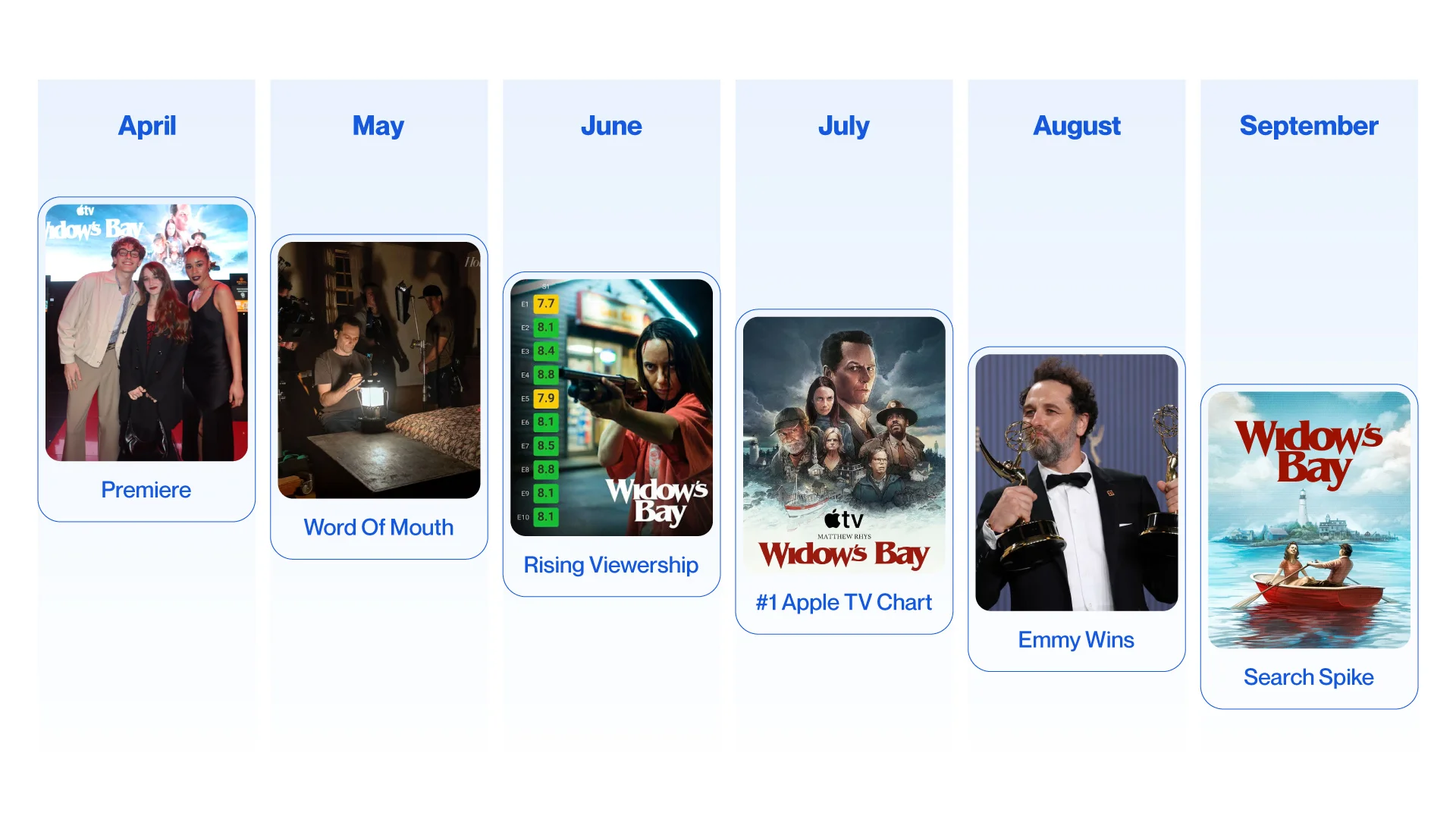
The show had already reached No. 1 on Apple's U.S. Top 10 television chart by June 11, according to FlixPatrol data cited by multiple outlets, while Reelgood also recorded it reaching No. 1 during its finale week. This is important because the Emmys did not rescue a failing show.
The audience was already growing, and the show had been building small signals through views, recommendations, reviews, memes, and word of mouth. The awards then turned that existing momentum into a much bigger discovery event.
Then Emmy Night Changed the Equation
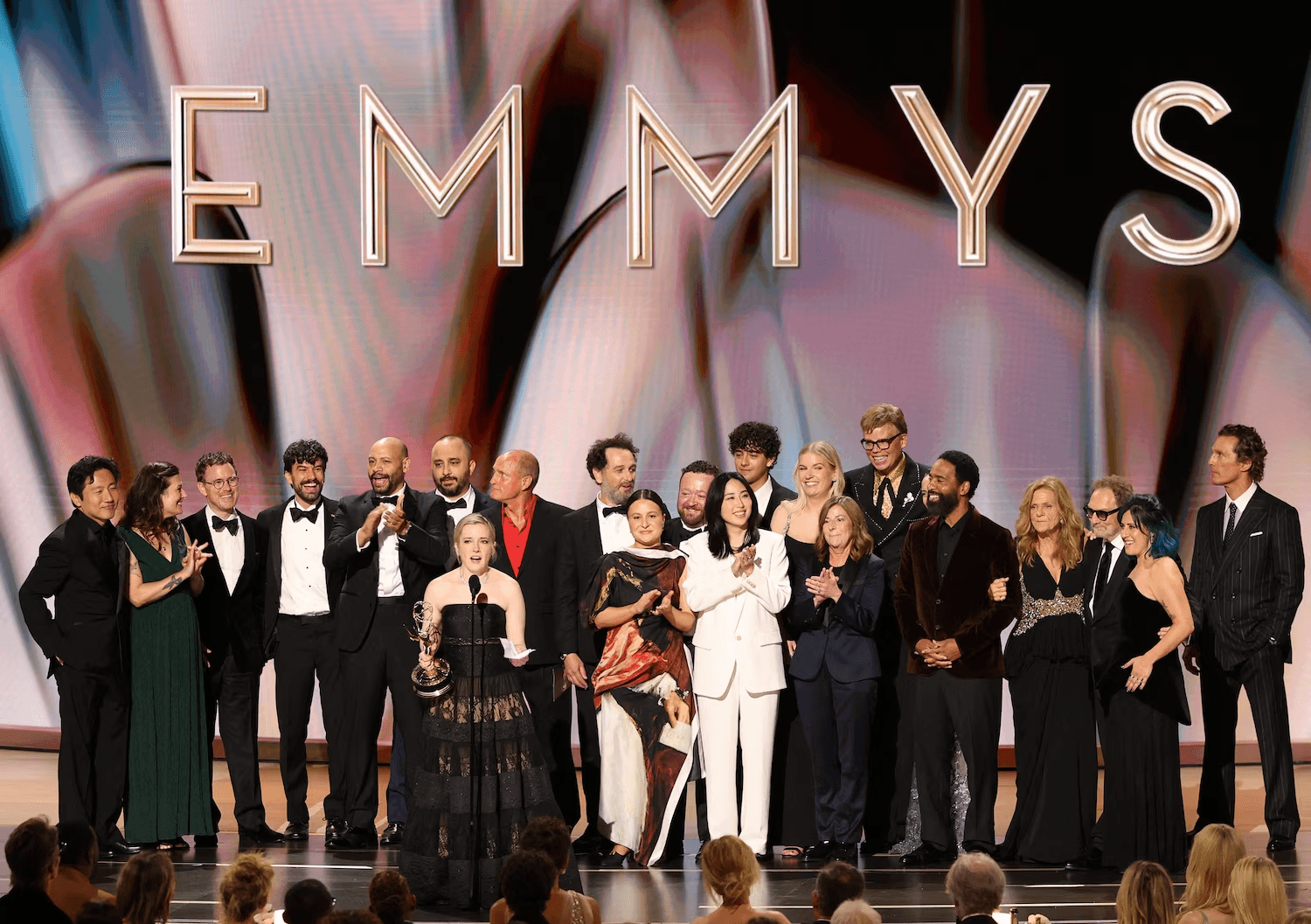
The Widow's Bay Emmy sweep on September 14 changed everything. The show won six awards during the Primetime telecast, including Outstanding Comedy Series.
Combined with its eight Creative Arts Emmy wins from the previous week, the show reached 14 Emmys, setting a record for the most awards won by a comedy series in a single season.
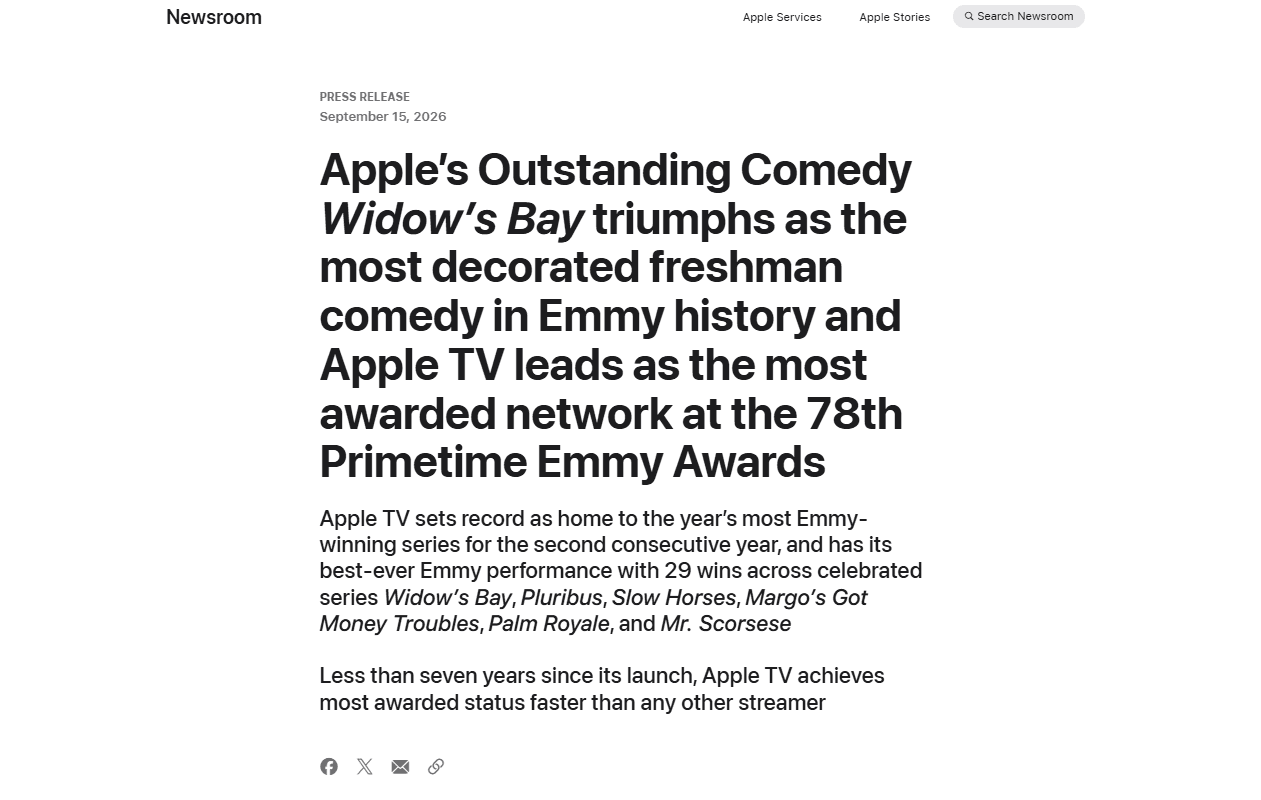
Apple TV also finished the Emmy Awards 2026 ceremony with 29 wins overall, its strongest performance to date. Before the ceremony, someone might say, “A friend told me this show is really good.” After the ceremony, they could say, “This show just won 14 Emmys.” That second statement carries a different kind of credibility and gives people a new reason to pay attention.
One Win Created Multiple Content Waves
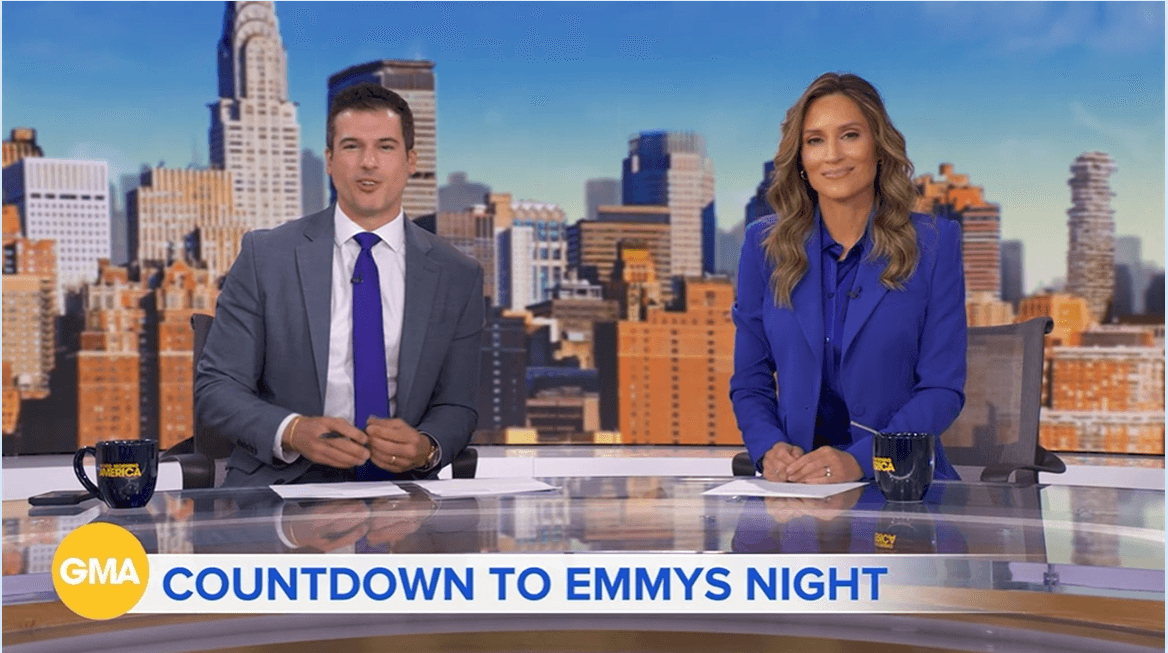
The power of the Emmy result came partly from the number of stories it created. Each award gave media outlets another headline, each acceptance speech created another clip, and each winning actor gave fans another reason to post and react. Every headline also gave people who had never watched the show a reason to search for it.
Source: https://abcnews.com/video/136401656/
The Television Academy described Widow's Bay as the night's biggest winner, with six wins during the main telecast. The coverage then spread across entertainment media, mainstream news, social platforms, and search, turning the show into a much bigger conversation.
This Is What the Award Validation Wave Looks Like
The mechanism is surprisingly simple.
Stage 1: Accumulated qualityThe product is genuinely good enough for people to recommend. |
Stage 2: Organic discoveryPeople gradually discover it through friends, reviews, creators, communities, or search. |
Stage 3: External validationA respected third party confirms that the product deserves attention. |
Stage 4: CuriosityPeople who previously ignored the product reconsider it. |
Stage 5: SearchCuriosity turns into an action. |
Stage 6: New audienceSome of those searchers become customers, viewers, subscribers, or advocates. |
The important transition happens between stages three and four where validation changes the perceived risk of discovery.
Why Awards Can Create a Second Launch
Advertising tells people that a product is good, while third-party recognition shows that someone else has already judged it. That difference matters because an award carries the reputation of the organization giving it, giving audiences a new reason to pay attention.
Source: https://abcnews.com/GMA/Culture/widows-bay-wins-big-2026-emmys-show/story?id=136450297
Roku's 2026 Emmy research found that search interest increased after Emmy nominations, while some winning shows saw much larger jumps. Searches for The Studio increased 5.7x after its 2025 Emmy win, while Adolescence saw a 14x increase. Roku described the Emmy as a “second premiere event” for The Studio.
The reason search matters is that it shows active curiosity. Seeing a post may create awareness, but searching for a show or product means someone is taking another step to learn more. In this sense, third-party validation can function like a second launch, turning recognition into new discovery and giving the audience a reason to actively seek out the product.
The Emmy Did Not Create the DemandThe Emmy's role here is to accelerate its discovery and expand its reach. This is better understood as a validation wave, where public recognition amplifies quality and momentum that already exist. |
What This Means for TV Show Marketing
Streaming has made discovery harder. There are more shows, more platforms, and more content competing for people's limited attention. Being good is only part of the challenge. Audiences also need a reason to believe a show is worth their time.
Awards help by turning that complicated decision into a simple signal. 14 Emmys instantly communicates that a show has been recognized at the highest level. People do not need to read every review or compare every rating to understand what the number means.
This is why Emmy marketing can be so powerful. The award becomes a piece of social proof that audiences can easily share, talk about, and distribute themselves.
The Same Pattern Exists Outside Entertainment Industry
Widow's Bay becomes especially interesting for brands because most companies will never win an Emmy. They do not need to. Every industry has its own form of institutional validation that can help audiences trust a product. Even when the category changes, the mechanism stays similar:
Principle 1: Build Before You Need the MomentAs covered earlier, Widow's Bay's audience was already growing before the Emmys arrived. That's the first principle for any brand to build a strong product, customer experience, content, and word of mouth first. Awards can amplify something that already works, but they cannot fix a weak product. |
Principle 2: Design for Word of Mouth FirstWord of mouth works differently than an ad because the person sharing it puts their own credibility on the line. A personal recommendation just feels more trustworthy. That's why products that are easy to explain, recommend, and demonstrate spread faster through word of mouth. |
Principle 3: Find Your Industry's EmmyYou have to know what is the equivalent of an Emmy in your market. It could be a respected analyst ranking, major publication feature, industry certification, prestigious award, major customer win, benchmark result, case study, or high-profile partnership. The specific form does not matter as much as the third-party credibility behind it. The validation needs to come from a source your target audience already trusts and considers meaningful. |
The Moment Has to Be Designed for Distribution
Brands need to be ready when validation arrives. A major award can create a short burst of attention, with people searching, journalists publishing, creators talking, and fans sharing.
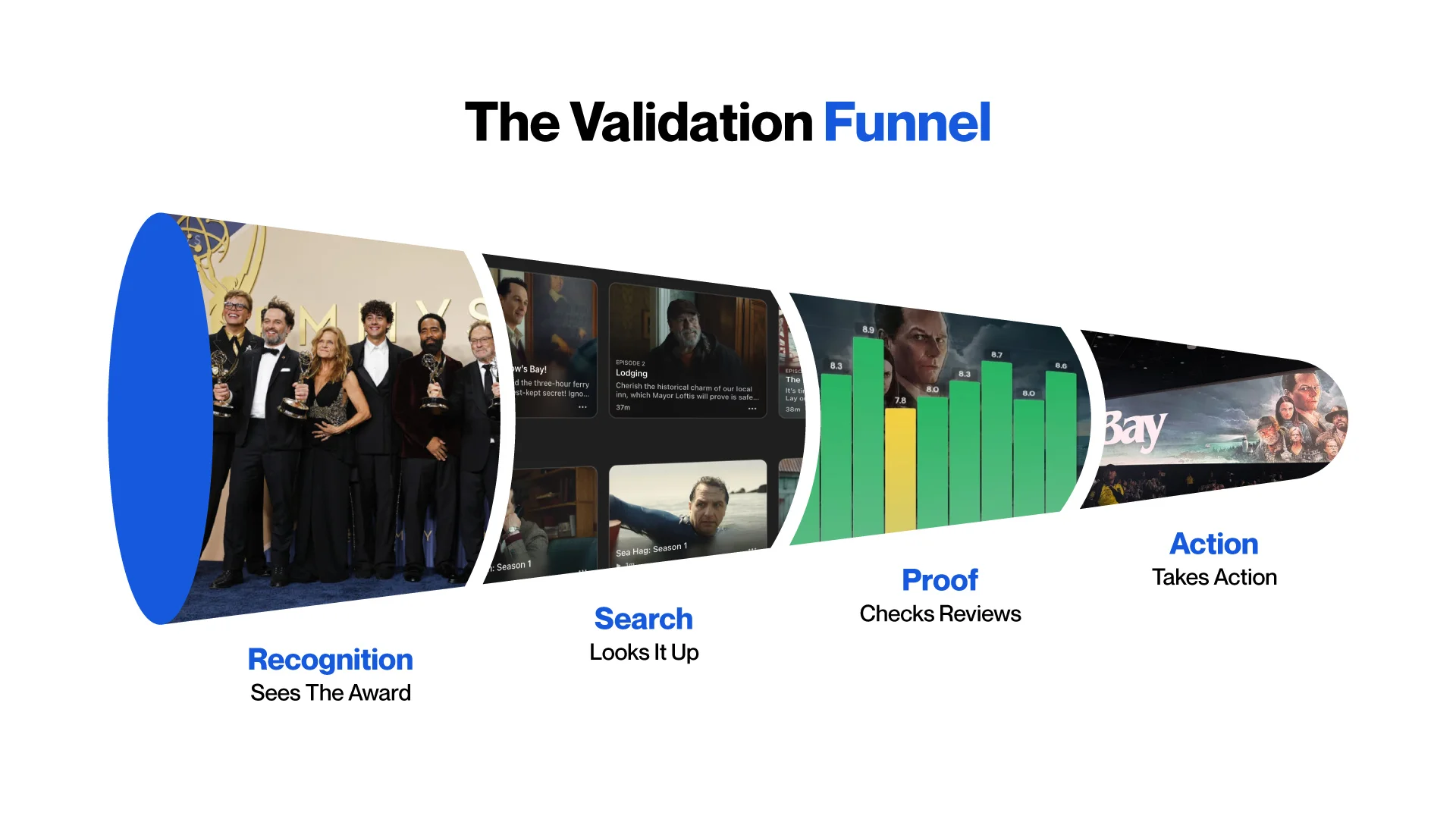
That means brands should have the right assets ready before the moment happens. For a show, that could be where to watch, trailers, best episodes, cast interviews, and social clips. For a product, it could be what it does, why it matters, customer proof, a clear product page, and an easy path to purchase.
Validation creates the traffic, and the brand still has to turn that curiosity into action.
Important: What Brands Should Not CopyThe lesson is not to chase awards or press coverage for recognition alone. What matters is whether the third-party validation reinforces something customers already value and comes from a source they trust. A respected signal that influences customer decisions is far more valuable than a logo on a website. |
Building Your Own Validation Wave
The most useful lesson from Widow's Bay is to identify what could make your existing quality easier for new audiences to believe. For one brand, that could be an award. For another, it could be a strong customer result or recognition from a respected analyst.
The goal is to build the product and distribution system before that moment arrives. Masterhooks UGC works in this space by helping brands turn strong ideas into creative systems that generate attention and sustain distribution. When credible third-party validation arrives, brands need something genuinely worth discovering behind it.
Not sure if your brand has the proof and content ready for the moment real validation arrives?
Not sure if your brand has the proof and content ready for the moment real validation arrives?
The Emmys provided a reason for people to act on their existing interests. This is what can be called a wave of award validation, when proven quality receives endorsement from a credible third party. For brands, a similar effect can arise through awards, analyst reports, major media coverage, customer reviews, or other signals that convey how others already consider this worth paying attention to.
Before the Emmys, Widow's Bay Was Already Growing
Widow's Bay premiered on April 29, 2026, with two episodes released first before moving to a weekly schedule.
The show's audience grew gradually through reviews, recommendations, social conversation, and word of mouth. By June, that momentum was becoming more visible, with The Hollywood Reporter and The Guardian highlighting its growing audience and unexpected success.
The show had already reached No. 1 on Apple's U.S. Top 10 television chart by June 11, according to FlixPatrol data cited by multiple outlets, while Reelgood also recorded it reaching No. 1 during its finale week. This is important because the Emmys did not rescue a failing show.
The audience was already growing, and the show had been building small signals through views, recommendations, reviews, memes, and word of mouth. The awards then turned that existing momentum into a much bigger discovery event.
Then Emmy Night Changed the Equation
The Widow's Bay Emmy sweep on September 14 changed everything. The show won six awards during the Primetime telecast, including Outstanding Comedy Series.
Combined with its eight Creative Arts Emmy wins from the previous week, the show reached 14 Emmys, setting a record for the most awards won by a comedy series in a single season.
Apple TV also finished the Emmy Awards 2026 ceremony with 29 wins overall, its strongest performance to date. Before the ceremony, someone might say, “A friend told me this show is really good.” After the ceremony, they could say, “This show just won 14 Emmys.” That second statement carries a different kind of credibility and gives people a new reason to pay attention.
One Win Created Multiple Content Waves
The power of the Emmy result came partly from the number of stories it created. Each award gave media outlets another headline, each acceptance speech created another clip, and each winning actor gave fans another reason to post and react. Every headline also gave people who had never watched the show a reason to search for it.
Source: https://abcnews.com/video/136401656/
The Television Academy described Widow's Bay as the night's biggest winner, with six wins during the main telecast. The coverage then spread across entertainment media, mainstream news, social platforms, and search, turning the show into a much bigger conversation.
This Is What the Award Validation Wave Looks Like
The mechanism is surprisingly simple.
Stage 1: Accumulated qualityThe product is genuinely good enough for people to recommend. |
Stage 2: Organic discoveryPeople gradually discover it through friends, reviews, creators, communities, or search. |
Stage 3: External validationA respected third party confirms that the product deserves attention. |
Stage 4: CuriosityPeople who previously ignored the product reconsider it. |
Stage 5: SearchCuriosity turns into an action. |
Stage 6: New audienceSome of those searchers become customers, viewers, subscribers, or advocates. |
The important transition happens between stages three and four where validation changes the perceived risk of discovery.
Why Awards Can Create a Second Launch
Advertising tells people that a product is good, while third-party recognition shows that someone else has already judged it. That difference matters because an award carries the reputation of the organization giving it, giving audiences a new reason to pay attention.
Source: https://abcnews.com/GMA/Culture/widows-bay-wins-big-2026-emmys-show/story?id=136450297
Roku's 2026 Emmy research found that search interest increased after Emmy nominations, while some winning shows saw much larger jumps. Searches for The Studio increased 5.7x after its 2025 Emmy win, while Adolescence saw a 14x increase. Roku described the Emmy as a “second premiere event” for The Studio.
The reason search matters is that it shows active curiosity. Seeing a post may create awareness, but searching for a show or product means someone is taking another step to learn more. In this sense, third-party validation can function like a second launch, turning recognition into new discovery and giving the audience a reason to actively seek out the product.
The Emmy Did Not Create the DemandThe Emmy's role here is to accelerate its discovery and expand its reach. This is better understood as a validation wave, where public recognition amplifies quality and momentum that already exist. |
What This Means for TV Show Marketing
Streaming has made discovery harder. There are more shows, more platforms, and more content competing for people's limited attention. Being good is only part of the challenge. Audiences also need a reason to believe a show is worth their time.
Awards help by turning that complicated decision into a simple signal. 14 Emmys instantly communicates that a show has been recognized at the highest level. People do not need to read every review or compare every rating to understand what the number means.
This is why Emmy marketing can be so powerful. The award becomes a piece of social proof that audiences can easily share, talk about, and distribute themselves.
The Same Pattern Exists Outside Entertainment Industry
Widow's Bay becomes especially interesting for brands because most companies will never win an Emmy. They do not need to. Every industry has its own form of institutional validation that can help audiences trust a product. Even when the category changes, the mechanism stays similar:
Principle 1: Build Before You Need the MomentAs covered earlier, Widow's Bay's audience was already growing before the Emmys arrived. That's the first principle for any brand to build a strong product, customer experience, content, and word of mouth first. Awards can amplify something that already works, but they cannot fix a weak product. |
Principle 2: Design for Word of Mouth FirstWord of mouth works differently than an ad because the person sharing it puts their own credibility on the line. A personal recommendation just feels more trustworthy. That's why products that are easy to explain, recommend, and demonstrate spread faster through word of mouth. |
Principle 3: Find Your Industry's EmmyYou have to know what is the equivalent of an Emmy in your market. It could be a respected analyst ranking, major publication feature, industry certification, prestigious award, major customer win, benchmark result, case study, or high-profile partnership. The specific form does not matter as much as the third-party credibility behind it. The validation needs to come from a source your target audience already trusts and considers meaningful. |
The Moment Has to Be Designed for Distribution
Brands need to be ready when validation arrives. A major award can create a short burst of attention, with people searching, journalists publishing, creators talking, and fans sharing.
That means brands should have the right assets ready before the moment happens. For a show, that could be where to watch, trailers, best episodes, cast interviews, and social clips. For a product, it could be what it does, why it matters, customer proof, a clear product page, and an easy path to purchase.
Validation creates the traffic, and the brand still has to turn that curiosity into action.
Important: What Brands Should Not CopyThe lesson is not to chase awards or press coverage for recognition alone. What matters is whether the third-party validation reinforces something customers already value and comes from a source they trust. A respected signal that influences customer decisions is far more valuable than a logo on a website. |
Building Your Own Validation Wave
The most useful lesson from Widow's Bay is to identify what could make your existing quality easier for new audiences to believe. For one brand, that could be an award. For another, it could be a strong customer result or recognition from a respected analyst.
The goal is to build the product and distribution system before that moment arrives. Masterhooks UGC works in this space by helping brands turn strong ideas into creative systems that generate attention and sustain distribution. When credible third-party validation arrives, brands need something genuinely worth discovering behind it.
Not sure if your brand has the proof and content ready for the moment real validation arrives?
Related Reading
Related Reading

How KitKat Turned a Real Chocolate Heist Into One of 2026's Most Shareable Brand Moments
6 min
|
Case Study
How KitKat Turned a Real Chocolate Heist Into One of 2026's Most Shareable Brand Moments
How KitKat turned a real chocolate theft into a viral campaign through transparency, participation, humor, and earned media.
6 min
|
Case Study

How Marvel Built a 2.86 Billion Reach UGC Machine for Spider-Man: Brand New Day
4 min
|
Case Study
How Marvel Built a 2.86 Billion Reach UGC Machine for Spider-Man: Brand New Day
Discover how Marvel generated 2.86 billion social reach for Spider-Man: Brand New Day using fan contests, brand partnerships, and emotional storytelling.
4 min
|
Case Study

How Latin America Became Spain's UGC Army at the World Cup Final
2 min
|
Case Study
How Latin America Became Spain's UGC Army at the World Cup Final
Spain won the World Cup, but its biggest advantage was millions of unpaid creators. Learn why emotional stakes generate stronger UGC than budgets.
2 min
|
Case Study


Need help scaling?
Book a strategy call with our expert team to audit your current UGC setup.