



Case Study
How Marvel Built a 2.86 Billion Reach UGC Machine for Spider-Man: Brand New Day
How Marvel Built a 2.86 Billion Reach UGC Machine for Spider-Man: Brand New Day
Discover how Marvel generated 2.86 billion social reach for Spider-Man: Brand New Day using fan contests, brand partnerships, and emotional storytelling.
Published:

Read Time:

4 min

Written by:
Fawwaz
Trend Research and Copywriter
JUST RELEASED, SUCCESSFULLY SURPASSING AVENGERS: ENDGAME
Avengers: Endgame is one of the biggest films in cinematic history, but Spider-Man: Brand New Day recently surpassed the 2 billion mark set by Endgame. Spider-Man: Brand New Day gathered 2.86 billion social media impressions, making it one of the largest promotional campaigns in Hollywood history.
JUST RELEASED, SUCCESSFULLY SURPASSING AVENGERS: ENDGAME
Avengers: Endgame is one of the biggest films in cinematic history, but Spider-Man: Brand New Day recently surpassed the 2 billion mark set by Endgame. Spider-Man: Brand New Day gathered 2.86 billion social media impressions, making it one of the largest promotional campaigns in Hollywood history.
JUST RELEASED, SUCCESSFULLY SURPASSING AVENGERS: ENDGAME
Avengers: Endgame is one of the biggest films in cinematic history, but Spider-Man: Brand New Day recently surpassed the 2 billion mark set by Endgame. Spider-Man: Brand New Day gathered 2.86 billion social media impressions, making it one of the largest promotional campaigns in Hollywood history.
This can be achieved thanks to a $309 million promotional campaign that generated 509,500 TikTok posts using the film’s hashtag, as well as 165 global brand partners. All of this was made possible by the enthusiasm of the fan community that has formed over nearly a decade of Tom Holland’s Spider-Man journey, making it a truly impressive highlight for the world of marketing.
However, the most valuable lesson for marketers from this achievement lies not in the numbers themselves, but in how those results were achieved. This article will explore how Marvel didn’t rely on a single campaign but instead built a variety of distribution systems that encouraged audiences, creators, and brand partners to spread the story simultaneously. This article aims to provide you with insights into how organic distribution becomes far more predictable when every participant has their own reason to create content.
The Numbers Behind the Campaign
Before examining the strategy, it's worth understanding the scale.
Metric | Result |
|---|---|
Social Media Reach | 2.86 Billion |
TikTok Posts | 509,500 |
Brand Partners | 165 |
Promotional Campaign | $309 Million |
Franchise History | 9 Years |
Looking at these numbers individually misses something important, that each figure essentially represents a different distribution channel. This is the key to Marvel’s success, by creating dozens of channels instead of relying on just one media channel.
System One: Give Fans a Reason to Create
This Fan Edit Contest is a means to encourage participation, more than just a creative competition.
Tap to play
Fans are invited to edit Spider-Man video clips using techniques and styles they already practice regularly in their daily lives. So in this Fan Edit Contest, Marvel isn’t actually introducing an unfamiliar format. Instead, they’re officially recognizing a practice that creators have already been engaging in.
This is a strategic move that drastically lowers the barriers to participation. The result is thousands of submissions, which naturally expand the campaign’s reach.
Why It Worked
There are three ingredients that make participation easy, which is familiar editing style, a recognizable hashtag, and clear reward and recognition. Apply these ingredients and your campaign will transform fans from viewers into contributors.
Actionable Lesson for Brands
Design contests based on behaviors your audience already enjoys, don’t try to create something entirely new. For example, if your customers frequently share recipes, hold a recipe contest. Or if they often share photos of their desk setups, organize a workspace tour contest. This will boost participation because there’s no learning curve to overcome.
System Two: Every Brand Partner Became Another Distribution Channel
Many articles mention that Marvel has partnered with 165 brands worldwide.
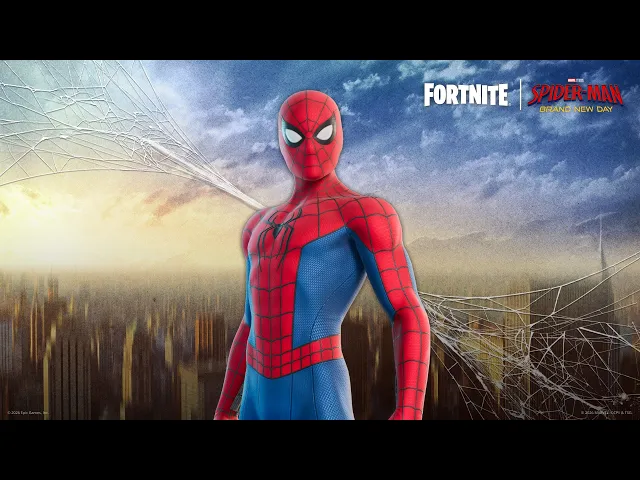
However, few of these articles explain why these partnerships are important. Yet from a marketing perspective, each partner brings a distinct audience, content creators, retail channels, and social media communities to the table. These partnerships enable Marvel’s campaigns to reach diverse audiences simultaneously.
This strategy drastically expands the reach of exposure beyond Marvel’s own channels. For example, when Marvel collaborates with a sports equipment brand, it can reach sports fans. Or when Marvel partners with a food brand, it can reach families. The same applies to brands in other industries. Thus, each collaboration helps boost distribution by adding another entry point into the conversation surrounding Spider-Man.
Actionable Lesson for Brands
For smaller brands, you don’t need 165 partnerships. All you need are a few partners with different audiences. Even just three complementary brands can multiply your reach if each one connects with a unique community. Therefore, don’t focus too much on the number of partnerships; instead, prioritize the diversity of each partner’s audience.
System Three: Nine Years of Emotional Investment
Marketing campaigns can build awareness, but they can’t instantly create an emotional connection.
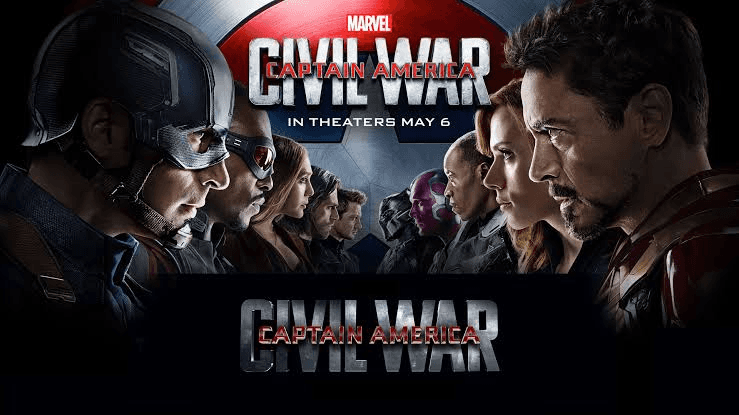
Marvel has an advantage that’s much harder to replicate: a nine-year storytelling journey. Tom Holland’s Spider-Man first appeared in Marvel’s movie “Captain America: Civil War” (2016), and audiences have watched the character evolve through various films ever since.
Each film release strengthens that bond, so that by the time Brand New Day arrives, fans aren’t just buying movie tickets. They’re continuing a story they’ve been following for nearly a decade.
It is this emotional bond that has grown among fans that naturally drives them to share. Because when they do so, these fans don’t feel like they’re promoting a movie but expressing what Spider-Man means to them.
Why Emotional Equity Matters
People share content for various reasons, one of which is identity.
When an audience feels emotionally connected to a brand, sharing content becomes a form of self-expression. This motivation is far stronger than a mere promotional message.
Actionable Lesson for Brands
Not many companies have a film franchise that has lasted nine years. Therefore, it’s not possible to implement the exact same strategy as Marvel.
However, every company can build consistency. Brands that consistently publish content, develop recognizable characters, and engage their audience in an ongoing narrative will gradually build emotional equity. This equity must be cultivated over the long term because it grows over months and years, not just weeks.
Great UGC Systems Give People a Reason to Share
The headline is impressive: 2.86 billion social impressions. But the real lesson is how Marvel built a campaign that gave creators, fans, partner brands, and long-time audiences their own reasons to participate. As a result, distribution no longer relied only on Marvel's marketing team. It became self-sustaining.
Brands don't need a superhero franchise to apply the same approach. Campaigns built around strong storytelling, audience participation, and strategic partnerships are far more likely to inspire organic sharing. At Masterhooks, this principle is central to building UGC campaigns that people want to contribute to, rather than simply consume.
Build your own UGC machine for your brand

Build your own UGC machine for your brand
This can be achieved thanks to a $309 million promotional campaign that generated 509,500 TikTok posts using the film’s hashtag, as well as 165 global brand partners. All of this was made possible by the enthusiasm of the fan community that has formed over nearly a decade of Tom Holland’s Spider-Man journey, making it a truly impressive highlight for the world of marketing.
However, the most valuable lesson for marketers from this achievement lies not in the numbers themselves, but in how those results were achieved. This article will explore how Marvel didn’t rely on a single campaign but instead built a variety of distribution systems that encouraged audiences, creators, and brand partners to spread the story simultaneously. This article aims to provide you with insights into how organic distribution becomes far more predictable when every participant has their own reason to create content.
The Numbers Behind the Campaign
Before examining the strategy, it's worth understanding the scale.
Metric | Result |
|---|---|
Social Media Reach | 2.86 Billion |
TikTok Posts | 509,500 |
Brand Partners | 165 |
Promotional Campaign | $309 Million |
Franchise History | 9 Years |
Looking at these numbers individually misses something important, that each figure essentially represents a different distribution channel. This is the key to Marvel’s success, by creating dozens of channels instead of relying on just one media channel.
System One: Give Fans a Reason to Create
This Fan Edit Contest is a means to encourage participation, more than just a creative competition.
Tap to play
Fans are invited to edit Spider-Man video clips using techniques and styles they already practice regularly in their daily lives. So in this Fan Edit Contest, Marvel isn’t actually introducing an unfamiliar format. Instead, they’re officially recognizing a practice that creators have already been engaging in.
This is a strategic move that drastically lowers the barriers to participation. The result is thousands of submissions, which naturally expand the campaign’s reach.
Why It Worked
There are three ingredients that make participation easy, which is familiar editing style, a recognizable hashtag, and clear reward and recognition. Apply these ingredients and your campaign will transform fans from viewers into contributors.
Actionable Lesson for Brands
Design contests based on behaviors your audience already enjoys, don’t try to create something entirely new. For example, if your customers frequently share recipes, hold a recipe contest. Or if they often share photos of their desk setups, organize a workspace tour contest. This will boost participation because there’s no learning curve to overcome.
System Two: Every Brand Partner Became Another Distribution Channel
Many articles mention that Marvel has partnered with 165 brands worldwide.
However, few of these articles explain why these partnerships are important. Yet from a marketing perspective, each partner brings a distinct audience, content creators, retail channels, and social media communities to the table. These partnerships enable Marvel’s campaigns to reach diverse audiences simultaneously.
This strategy drastically expands the reach of exposure beyond Marvel’s own channels. For example, when Marvel collaborates with a sports equipment brand, it can reach sports fans. Or when Marvel partners with a food brand, it can reach families. The same applies to brands in other industries. Thus, each collaboration helps boost distribution by adding another entry point into the conversation surrounding Spider-Man.
Actionable Lesson for Brands
For smaller brands, you don’t need 165 partnerships. All you need are a few partners with different audiences. Even just three complementary brands can multiply your reach if each one connects with a unique community. Therefore, don’t focus too much on the number of partnerships; instead, prioritize the diversity of each partner’s audience.
System Three: Nine Years of Emotional Investment
Marketing campaigns can build awareness, but they can’t instantly create an emotional connection.
Marvel has an advantage that’s much harder to replicate: a nine-year storytelling journey. Tom Holland’s Spider-Man first appeared in Marvel’s movie “Captain America: Civil War” (2016), and audiences have watched the character evolve through various films ever since.
Each film release strengthens that bond, so that by the time Brand New Day arrives, fans aren’t just buying movie tickets. They’re continuing a story they’ve been following for nearly a decade.
It is this emotional bond that has grown among fans that naturally drives them to share. Because when they do so, these fans don’t feel like they’re promoting a movie but expressing what Spider-Man means to them.
Why Emotional Equity Matters
People share content for various reasons, one of which is identity.
When an audience feels emotionally connected to a brand, sharing content becomes a form of self-expression. This motivation is far stronger than a mere promotional message.
Actionable Lesson for Brands
Not many companies have a film franchise that has lasted nine years. Therefore, it’s not possible to implement the exact same strategy as Marvel.
However, every company can build consistency. Brands that consistently publish content, develop recognizable characters, and engage their audience in an ongoing narrative will gradually build emotional equity. This equity must be cultivated over the long term because it grows over months and years, not just weeks.
Great UGC Systems Give People a Reason to Share
The headline is impressive: 2.86 billion social impressions. But the real lesson is how Marvel built a campaign that gave creators, fans, partner brands, and long-time audiences their own reasons to participate. As a result, distribution no longer relied only on Marvel's marketing team. It became self-sustaining.
Brands don't need a superhero franchise to apply the same approach. Campaigns built around strong storytelling, audience participation, and strategic partnerships are far more likely to inspire organic sharing. At Masterhooks, this principle is central to building UGC campaigns that people want to contribute to, rather than simply consume.
Build your own UGC machine for your brand
Related Reading
Related Reading

How Widow's Bay Went From Obscure to 1 Million Searches in One Night
5 min
|
Case Study
How Widow's Bay Went From Obscure to 1 Million Searches in One Night
How Widow’s Bay turned 14 Emmy wins into a massive discovery wave, and what brands can learn about validation, word of mouth, and growth.
5 min
|
Case Study

How KitKat Turned a Real Chocolate Heist Into One of 2026's Most Shareable Brand Moments
6 min
|
Case Study
How KitKat Turned a Real Chocolate Heist Into One of 2026's Most Shareable Brand Moments
How KitKat turned a real chocolate theft into a viral campaign through transparency, participation, humor, and earned media.
6 min
|
Case Study

How Latin America Became Spain's UGC Army at the World Cup Final
2 min
|
Case Study
How Latin America Became Spain's UGC Army at the World Cup Final
Spain won the World Cup, but its biggest advantage was millions of unpaid creators. Learn why emotional stakes generate stronger UGC than budgets.
2 min
|
Case Study


Need help scaling?
Book a strategy call with our expert team to audit your current UGC setup.

