



What Is a UGC Hook? And How Is It Different From a Regular Hook?
What Is a UGC Hook? And How Is It Different From a Regular Hook?
Learn what a UGC hook is, why it's different from regular content hooks, and discover six proven hook types with examples for higher-performing UGC.
Published:

Read Time:

6 min

Written by:
Fawwaz
Trend Research and Copywriter
CREATE A STRONGER HOOK!
This is a piece of advice you often hear when you take the time to study UGC. But what exactly is a UGC hook? Is it just an attention-grabbing opening line? A dramatic camera angle? Or a bold claim?
CREATE A STRONGER HOOK!
This is a piece of advice you often hear when you take the time to study UGC. But what exactly is a UGC hook? Is it just an attention-grabbing opening line? A dramatic camera angle? Or a bold claim?
CREATE A STRONGER HOOK!
This is a piece of advice you often hear when you take the time to study UGC. But what exactly is a UGC hook? Is it just an attention-grabbing opening line? A dramatic camera angle? Or a bold claim?
In UGC, a hook cover more than just the first sentence. The hook is the first one to three seconds that determine whether someone will keep watching or simply scroll past. More importantly, it’s your first chance to convince viewers that your content is worth their attention.
This guide explains what a UGC hook really is, how it differs from hooks in regular content, and which types of hooks are most effective for various purposes.
What Is a UGC Hook?
A UGC hook is the opening moment of a video that grabs attention and encourages someone to keep watching.
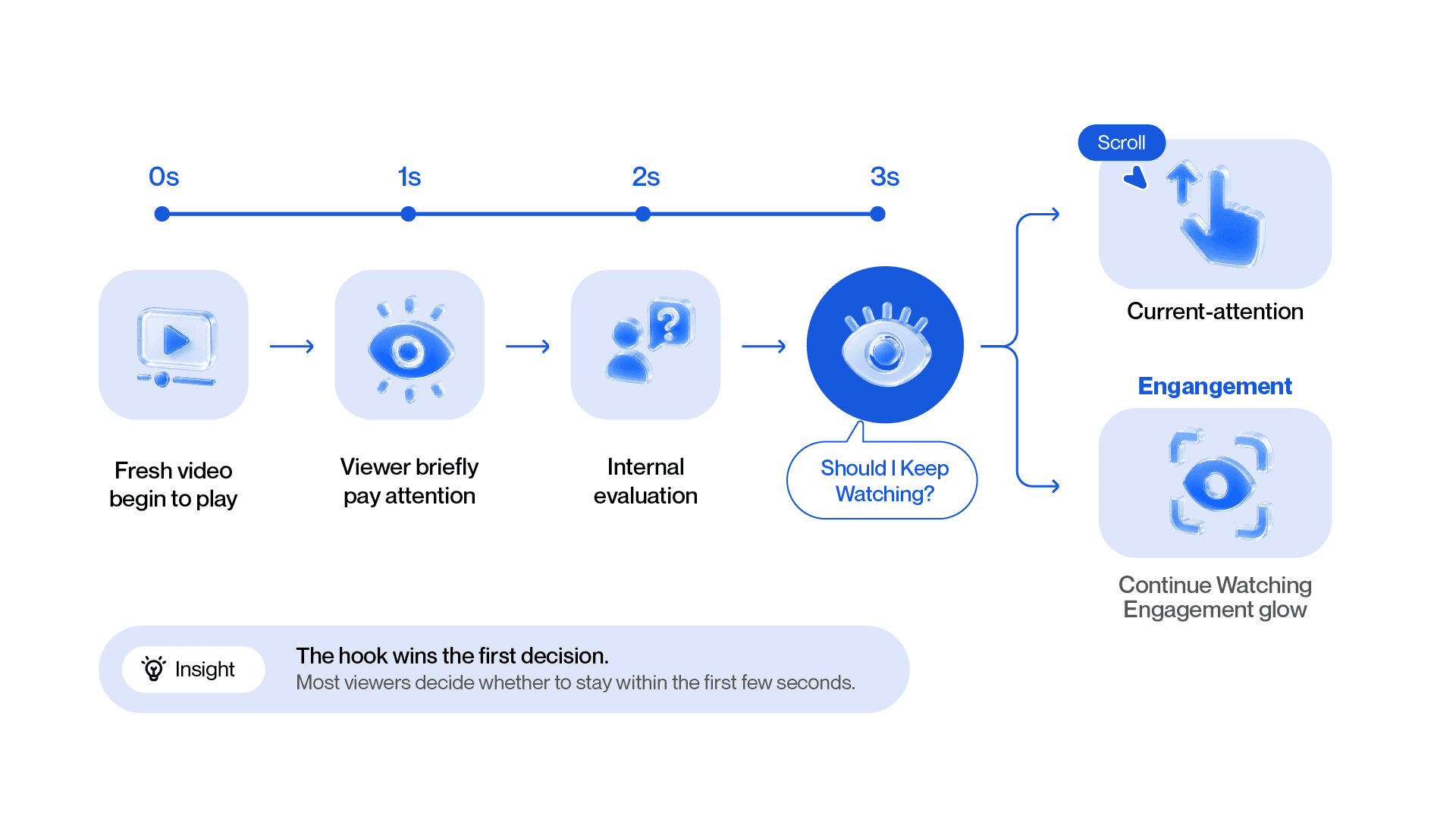
It usually happens during the first one to three seconds, and can be in the form of the first sentence, a surprising visual, an unexpected action, a relatable problem, or a bold question.
The goal isn't simply to entertain, but to create enough interest that viewers stay long enough to understand why the product matters. Research from multiple UGC performance studies shows that videos with strong opening hooks consistently achieve much higher three-second retention than videos with generic introductions.
Why UGC Hooks Are Different From Regular Content Hooks
Every piece of content needs attention, but the objective isn't always the same.
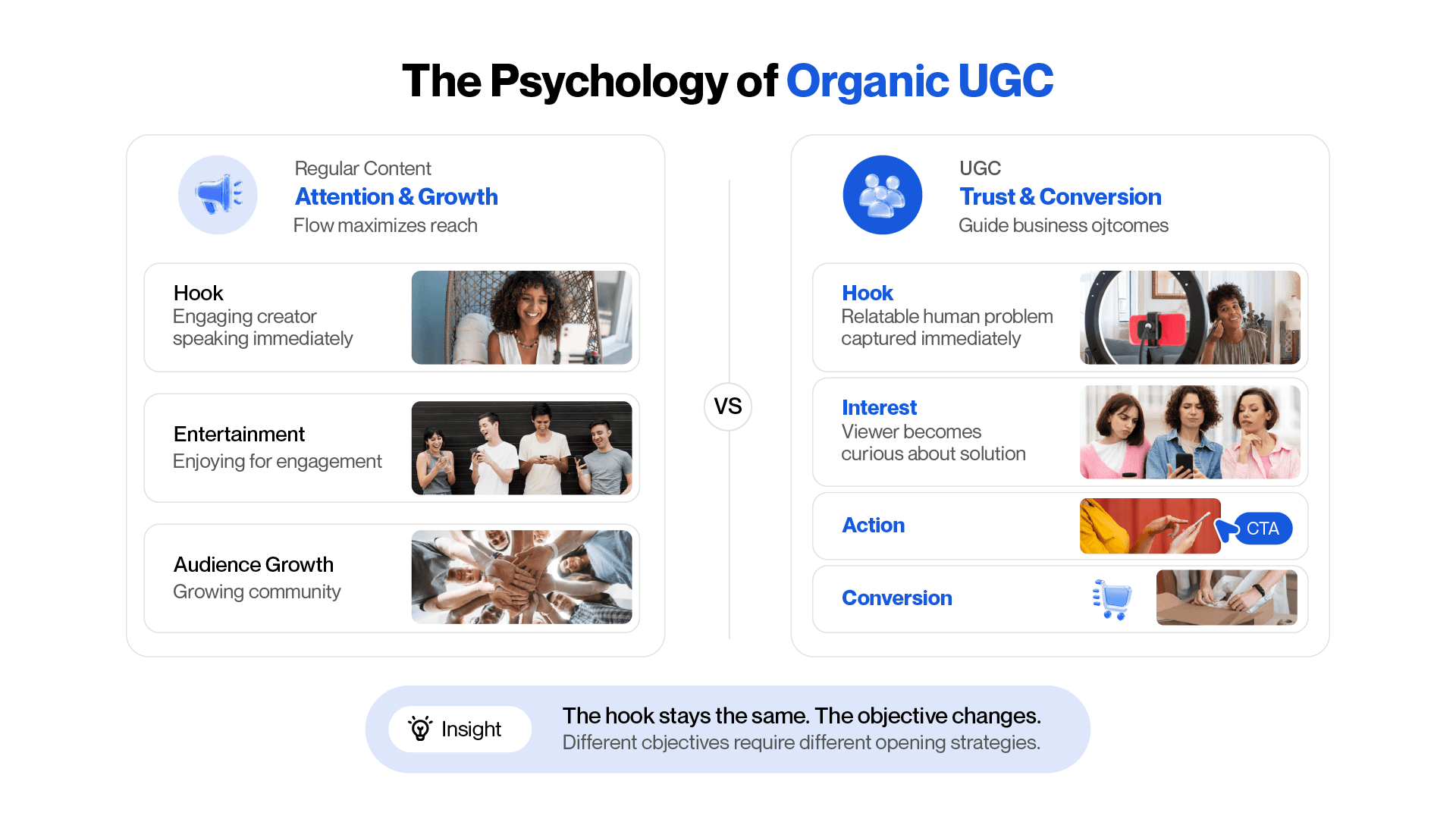
A creator posting on their personal account often wants to build an audience, increase engagement, or encourage followers. In contrast, a UGC creator wants viewers to take action. That action could be:
Clicking a product page
Installing an app
Requesting more information
Adding an item to their cart
Making a purchase
Because the goal changes, the hook changes too.
Instead of asking, "How can I make this entertaining?" → A UGC hook asks, "Why should this viewer care right now?"
That's a subtle difference, but it changes how the entire video begins.
Six Common Types of UGC Hooks
There isn't one perfect hook because every product and campaign call for different approaches. But here are six of the most common hook types:
1. Visual Hook
Something unusual immediately appears on screen before anyone starts talking.
Example
Visual hooks work because people process images faster than speech. They're especially effective when viewers are scrolling quickly.
2. Verbal Hook
The opening sentence immediately creates relevance.
Examples
Simple language often performs better than overly polished scripts.
3. Problem Hook
Start with a frustration your audience already experiences.
Examples
People naturally pay attention when they recognize their own problems.
4. Curiosity Hook
Create a question that viewers want answered.
Examples
Curiosity works best when the answer arrives quickly, so don't make viewers wait too long.
5. Social Proof Hook
Show that other people already trust the product.
Examples
Social proof reduces uncertainty before the product is even introduced.
6. Direct Callout Hook
Speak directly to a specific audience.
Examples
People instinctively pay attention when they feel personally addressed.
The Best UGC Hooks Always Start With the Viewer
One mistake that frequently appears in thousands of low-performing UGC videos is starting the video directly with the product. In reality, most viewers don’t yet know why they should care. It’s better to start with something the audience already considers important.
Compare these two opening lines:
"This is our productivity app." | vs | "I stopped missing deadlines after finding this." |
The second example establishes relevance before introducing the product, putting the audience first and the product second. That’s one of the biggest differences between effective UGC and regular ads.
Quick Reference Guide
Hook Type | Best Used For | Example |
|---|---|---|
Visual | Fast attention | Dramatic before-and-after |
Verbal | Storytelling | "I didn't expect this..." |
Problem | Pain points | "Still struggling with..." |
Curiosity | Education, apps | "Here's what surprised me..." |
Social Proof | Trust | "Over one million users..." |
Direct Callout | Niche audiences | "If you're a freelancer..." |
Choosing the Right Hook Matters More Than Choosing Fancy Words
Many people think a hook is just the first sentence. In reality, it's the first decision you make about your audience. A great hook doesn't try to impress people. It gives them a reason to stop scrolling.
That's why Masterhooks treats hooks as part of a larger creative strategy. By understanding what the audience already cares about, brands can create openings that grab attention and make the rest of the story much more likely to keep viewers watching.
Start to be a UGC Hook Expert with Masterhooks!
Start to be a UGC Hook Expert with Masterhooks!
In UGC, a hook cover more than just the first sentence. The hook is the first one to three seconds that determine whether someone will keep watching or simply scroll past. More importantly, it’s your first chance to convince viewers that your content is worth their attention.
This guide explains what a UGC hook really is, how it differs from hooks in regular content, and which types of hooks are most effective for various purposes.
What Is a UGC Hook?
A UGC hook is the opening moment of a video that grabs attention and encourages someone to keep watching.
It usually happens during the first one to three seconds, and can be in the form of the first sentence, a surprising visual, an unexpected action, a relatable problem, or a bold question.
The goal isn't simply to entertain, but to create enough interest that viewers stay long enough to understand why the product matters. Research from multiple UGC performance studies shows that videos with strong opening hooks consistently achieve much higher three-second retention than videos with generic introductions.
Why UGC Hooks Are Different From Regular Content Hooks
Every piece of content needs attention, but the objective isn't always the same.
A creator posting on their personal account often wants to build an audience, increase engagement, or encourage followers. In contrast, a UGC creator wants viewers to take action. That action could be:
Clicking a product page
Installing an app
Requesting more information
Adding an item to their cart
Making a purchase
Because the goal changes, the hook changes too.
Instead of asking, "How can I make this entertaining?" → A UGC hook asks, "Why should this viewer care right now?"
That's a subtle difference, but it changes how the entire video begins.
Six Common Types of UGC Hooks
There isn't one perfect hook because every product and campaign call for different approaches. But here are six of the most common hook types:
1. Visual Hook
Something unusual immediately appears on screen before anyone starts talking.
Example
Visual hooks work because people process images faster than speech. They're especially effective when viewers are scrolling quickly.
2. Verbal Hook
The opening sentence immediately creates relevance.
Examples
Simple language often performs better than overly polished scripts.
3. Problem Hook
Start with a frustration your audience already experiences.
Examples
People naturally pay attention when they recognize their own problems.
4. Curiosity Hook
Create a question that viewers want answered.
Examples
Curiosity works best when the answer arrives quickly, so don't make viewers wait too long.
5. Social Proof Hook
Show that other people already trust the product.
Examples
Social proof reduces uncertainty before the product is even introduced.
6. Direct Callout Hook
Speak directly to a specific audience.
Examples
People instinctively pay attention when they feel personally addressed.
The Best UGC Hooks Always Start With the Viewer
One mistake that frequently appears in thousands of low-performing UGC videos is starting the video directly with the product. In reality, most viewers don’t yet know why they should care. It’s better to start with something the audience already considers important.
Compare these two opening lines:
"This is our productivity app." | vs | "I stopped missing deadlines after finding this." |
The second example establishes relevance before introducing the product, putting the audience first and the product second. That’s one of the biggest differences between effective UGC and regular ads.
Quick Reference Guide
Hook Type | Best Used For | Example |
|---|---|---|
Visual | Fast attention | Dramatic before-and-after |
Verbal | Storytelling | "I didn't expect this..." |
Problem | Pain points | "Still struggling with..." |
Curiosity | Education, apps | "Here's what surprised me..." |
Social Proof | Trust | "Over one million users..." |
Direct Callout | Niche audiences | "If you're a freelancer..." |
Choosing the Right Hook Matters More Than Choosing Fancy Words
Many people think a hook is just the first sentence. In reality, it's the first decision you make about your audience. A great hook doesn't try to impress people. It gives them a reason to stop scrolling.
That's why Masterhooks treats hooks as part of a larger creative strategy. By understanding what the audience already cares about, brands can create openings that grab attention and make the rest of the story much more likely to keep viewers watching.
Start to be a UGC Hook Expert with Masterhooks!
Related Reading
Related Reading

What The Odyssey and Spider-Man: Brand New Day Have in Common (Besides Tom Holland and Zendaya)
4 min
|
What The Odyssey and Spider-Man: Brand New Day Have in Common (Besides Tom Holland and Zendaya)
Learn how The Odyssey and Spider-Man: Brand New Day used opposite marketing strategies to generate massive organic UGC and audience engagement.
4 min
|

The Odyssey's Marketing Playbook: What Brands Can Learn From a $264M Opening
4 min
|
The Odyssey's Marketing Playbook: What Brands Can Learn From a $264M Opening
Learn how The Odyssey used scarcity, exclusive IMAX experiences, and FOMO to drive a $264M opening and millions of dollars in earned media.
4 min
|
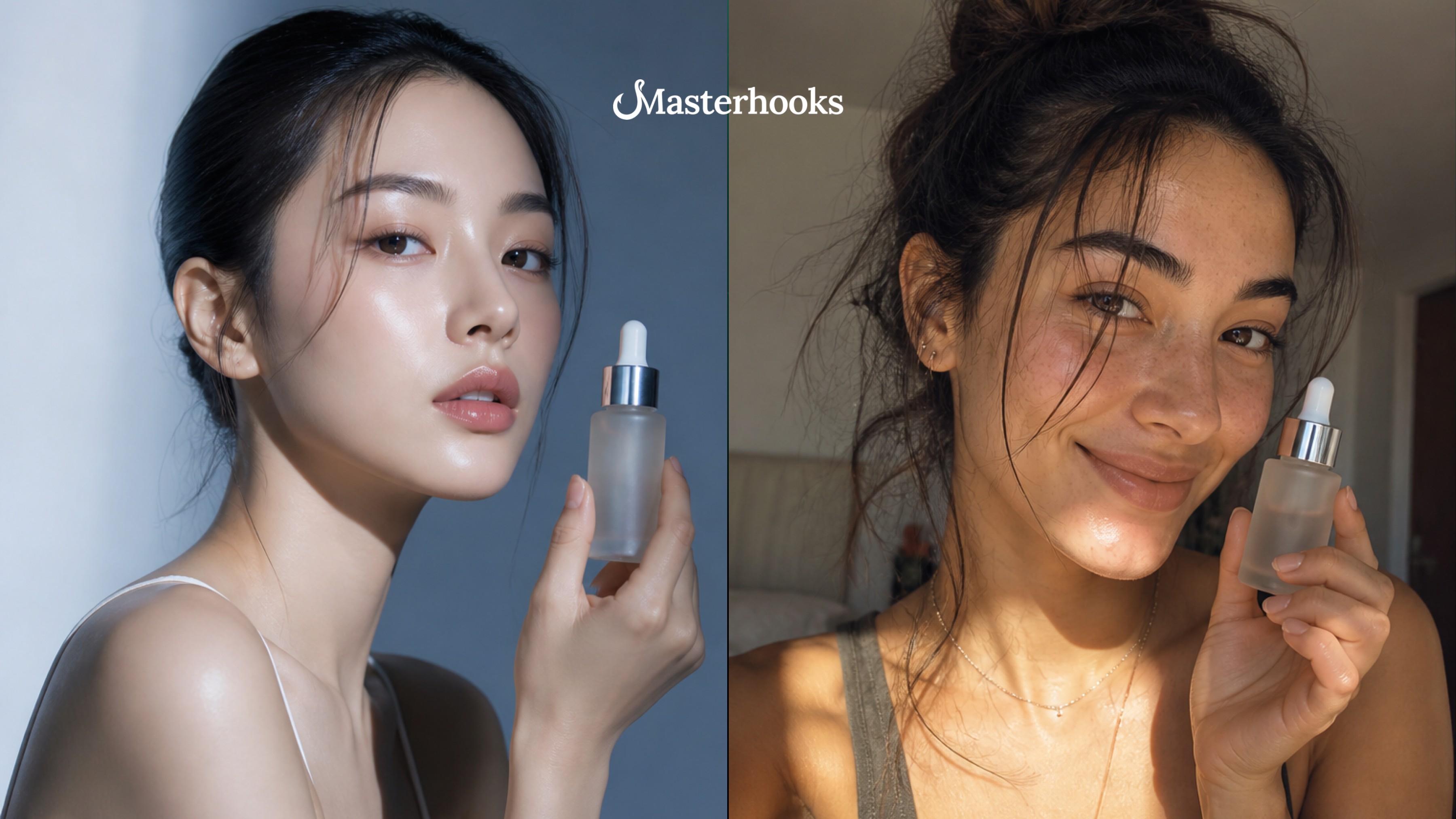
AI-Generated UGC vs. Human UGC: What Brands Need to Know Before Choosing
5 min
|
AI-Generated UGC vs. Human UGC: What Brands Need to Know Before Choosing
AI UGC is cheaper and faster. Human UGC converts better. Here's the honest breakdown of when to use each — and why the best brands are combining both.
5 min
|


Need help scaling?
Book a strategy call with our expert team to audit your current UGC setup.

