



What The Odyssey and Spider-Man: Brand New Day Have in Common (Besides Tom Holland and Zendaya)
What The Odyssey and Spider-Man: Brand New Day Have in Common (Besides Tom Holland and Zendaya)
Learn how The Odyssey and Spider-Man: Brand New Day used opposite marketing strategies to generate massive organic UGC and audience engagement.
Published:

Read Time:

4 min

Written by:
Fawwaz
Trend Research and Copywriter
TWO DIFFERENT APPROACHES, EXCEPTIONAL RESULTS
The two biggest movies of 2026 chose marketing strategies that were polar opposites, and surprisingly, both approaches worked.
TWO DIFFERENT APPROACHES, EXCEPTIONAL RESULTS
The two biggest movies of 2026 chose marketing strategies that were polar opposites, and surprisingly, both approaches worked.
TWO DIFFERENT APPROACHES, EXCEPTIONAL RESULTS
The two biggest movies of 2026 chose marketing strategies that were polar opposites, and surprisingly, both approaches worked.
The Odyssey recorded one of the biggest openings of the year without holding special screenings for influencers, but rather by building excitement through exclusivity and a premium movie-theater experience.
Spider-Man: Brand New Day took the opposite approach. Sony partnered with 165 promotional partners, launched a marketing campaign reportedly costing 309 million U.S. dollars, and generated 2.88 billion social media impressions, even surpassing the reach of Avengers: Endgame’s promotional campaign.
This article will discuss what these two films have in common, beyond the presence of Tom Holland and Zendaya in their casts. It will also reveal the strategic moves made by both films, which can serve as important lessons for the marketing world. Specifically, it will explore how both campaigns generated a massive amount of user-generated content and how they achieved this goal through opposite approaches.
The Numbers Tell Two Completely Different Stories
Here's what made these campaigns stand apart:
The Odyssey
| Spider-Man: Brand New Day
|
One campaign carefully restricts access, while the other surrounds the audience wherever they look. Neither relies entirely on advertising, as both strive to create conditions that encourage people to generate their own content.
Strategy One: Scarcity Creates Curiosity
The Odyssey rarely asked audiences to participate. Instead, it created experiences that people naturally wanted to document.
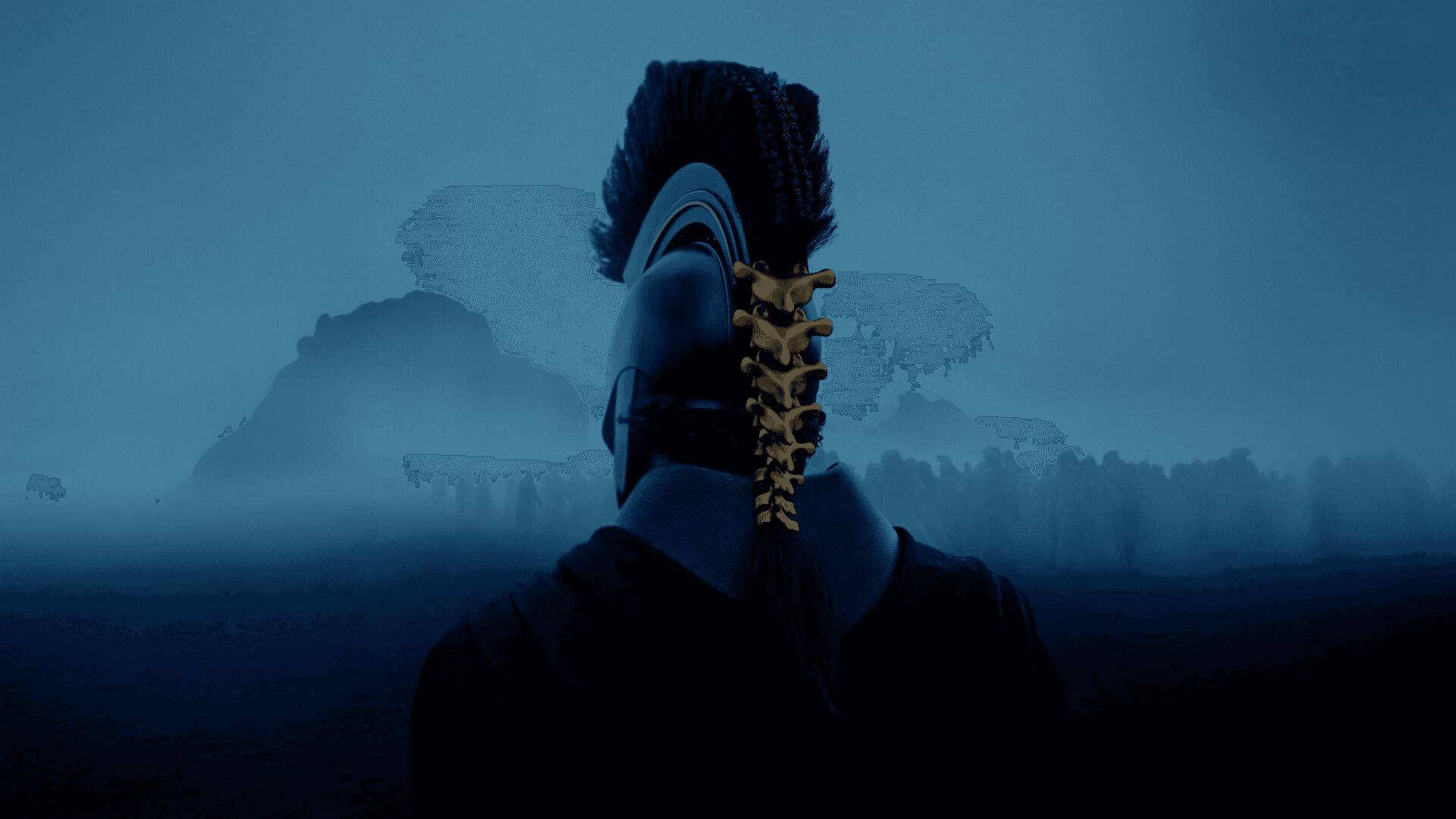
Examples included:
IMAX-exclusive presentation
Premium large format positioning
Limited access to the intended viewing format
No influencer screenings before release
Every decision quietly conveys a message, making it something that cannot be overlooked.
Scarcity increases perceived value because people consider limited experiences to be worth having. Once viewers experience this premium format, many document the experience without being asked by anyone. In this way, the audience itself becomes the distribution channel.
Strategy Example Outside Film
A coffee brand could launch a limited-time product tasting event that lasts only one weekend. This limited-time event would then become its own content, as customers will naturally record something that others cannot easily experience.
Strategy Two: Saturation Creates Cultural Presence
Spider-Man used the opposite philosophy, by maximizing visibility instead of limiting it.

The campaign reached audiences through:
Brand collaborations
Retail promotions
Merchandise
Social campaigns
Fan edit contests
Platform partnerships
Ultimately, people come across Spider-Man, whether they’re actively looking for him or not.
Strategies like this can be successful because repeated exposure can create a sense of familiarity. This sense of familiarity then sparks conversations that can generate content. One highly effective tactic is to encourage fans to create and submit fan-made content related to the movie, thereby transforming their existing enthusiasm into active participation as creators, rather than merely passive viewers.
Instead of simply being consumers of the campaign, the audience becomes an integral part of it.
Different Paths. Same Destination.
Although the two campaigns seem very different, they share one important characteristic.
Neither relies entirely on paid promotion, as both strive to create a reason for the audience to participate voluntarily.
The Odyssey
People shared because the experience felt exclusive.
Spider-Man
People share it because conversations about it are already happening everywhere. The mechanisms may differ, but the end result is very similar. This is the reason why organic content can spread so widely, because the audience feels they have something worthwhile to contribute.
Which Strategy Fits Your Brand?
Most companies don’t have Hollywood-style budgets, and fortunately, they don’t need them. Companies simply need to implement strategies that are appropriate for their products. To help you decide, take a look at this table:
Choose Scarcity When:
Scarcity increases perceived value. | Choose Saturation When:
Saturation increases familiarity. |
Neither approach is universally better, but each serves different business goals.
Organic UGC Starts Long Before People Press Record
Both campaigns share the same lesson: organic UGC starts long before anyone posts on TikTok. It begins when brands intentionally create experiences or conversations people genuinely want to talk about. One campaign relied on exclusivity, while the other succeeded through widespread participation, but both built momentum before launch.
This is why organic distribution rarely ha¡ppens by chance. At Masterhooks, we emphasize building campaigns that give people a reason to share, whether through scarcity, participation, or other strategies that naturally spark conversation.
Apply one of those strategies to boost your brand in the market now!
Apply one of those strategies to boost your brand in the market now!
The Odyssey recorded one of the biggest openings of the year without holding special screenings for influencers, but rather by building excitement through exclusivity and a premium movie-theater experience.
Spider-Man: Brand New Day took the opposite approach. Sony partnered with 165 promotional partners, launched a marketing campaign reportedly costing 309 million U.S. dollars, and generated 2.88 billion social media impressions, even surpassing the reach of Avengers: Endgame’s promotional campaign.
This article will discuss what these two films have in common, beyond the presence of Tom Holland and Zendaya in their casts. It will also reveal the strategic moves made by both films, which can serve as important lessons for the marketing world. Specifically, it will explore how both campaigns generated a massive amount of user-generated content and how they achieved this goal through opposite approaches.
The Numbers Tell Two Completely Different Stories
Here's what made these campaigns stand apart:
The Odyssey
| Spider-Man: Brand New Day
|
One campaign carefully restricts access, while the other surrounds the audience wherever they look. Neither relies entirely on advertising, as both strive to create conditions that encourage people to generate their own content.
Strategy One: Scarcity Creates Curiosity
The Odyssey rarely asked audiences to participate. Instead, it created experiences that people naturally wanted to document.
Examples included:
IMAX-exclusive presentation
Premium large format positioning
Limited access to the intended viewing format
No influencer screenings before release
Every decision quietly conveys a message, making it something that cannot be overlooked.
Scarcity increases perceived value because people consider limited experiences to be worth having. Once viewers experience this premium format, many document the experience without being asked by anyone. In this way, the audience itself becomes the distribution channel.
Strategy Example Outside Film
A coffee brand could launch a limited-time product tasting event that lasts only one weekend. This limited-time event would then become its own content, as customers will naturally record something that others cannot easily experience.
Strategy Two: Saturation Creates Cultural Presence
Spider-Man used the opposite philosophy, by maximizing visibility instead of limiting it.
The campaign reached audiences through:
Brand collaborations
Retail promotions
Merchandise
Social campaigns
Fan edit contests
Platform partnerships
Ultimately, people come across Spider-Man, whether they’re actively looking for him or not.
Strategies like this can be successful because repeated exposure can create a sense of familiarity. This sense of familiarity then sparks conversations that can generate content. One highly effective tactic is to encourage fans to create and submit fan-made content related to the movie, thereby transforming their existing enthusiasm into active participation as creators, rather than merely passive viewers.
Instead of simply being consumers of the campaign, the audience becomes an integral part of it.
Different Paths. Same Destination.
Although the two campaigns seem very different, they share one important characteristic.
Neither relies entirely on paid promotion, as both strive to create a reason for the audience to participate voluntarily.
The Odyssey
People shared because the experience felt exclusive.
Spider-Man
People share it because conversations about it are already happening everywhere. The mechanisms may differ, but the end result is very similar. This is the reason why organic content can spread so widely, because the audience feels they have something worthwhile to contribute.
Which Strategy Fits Your Brand?
Most companies don’t have Hollywood-style budgets, and fortunately, they don’t need them. Companies simply need to implement strategies that are appropriate for their products. To help you decide, take a look at this table:
Choose Scarcity When:
Scarcity increases perceived value. | Choose Saturation When:
Saturation increases familiarity. |
Neither approach is universally better, but each serves different business goals.
Organic UGC Starts Long Before People Press Record
Both campaigns share the same lesson: organic UGC starts long before anyone posts on TikTok. It begins when brands intentionally create experiences or conversations people genuinely want to talk about. One campaign relied on exclusivity, while the other succeeded through widespread participation, but both built momentum before launch.
This is why organic distribution rarely ha¡ppens by chance. At Masterhooks, we emphasize building campaigns that give people a reason to share, whether through scarcity, participation, or other strategies that naturally spark conversation.
Apply one of those strategies to boost your brand in the market now!
Related Reading
Related Reading

What Is a UGC Hook? And How Is It Different From a Regular Hook?
6 min
|
What Is a UGC Hook? And How Is It Different From a Regular Hook?
Learn what a UGC hook is, why it's different from regular content hooks, and discover six proven hook types with examples for higher-performing UGC.
6 min
|

The Odyssey's Marketing Playbook: What Brands Can Learn From a $264M Opening
4 min
|
The Odyssey's Marketing Playbook: What Brands Can Learn From a $264M Opening
Learn how The Odyssey used scarcity, exclusive IMAX experiences, and FOMO to drive a $264M opening and millions of dollars in earned media.
4 min
|
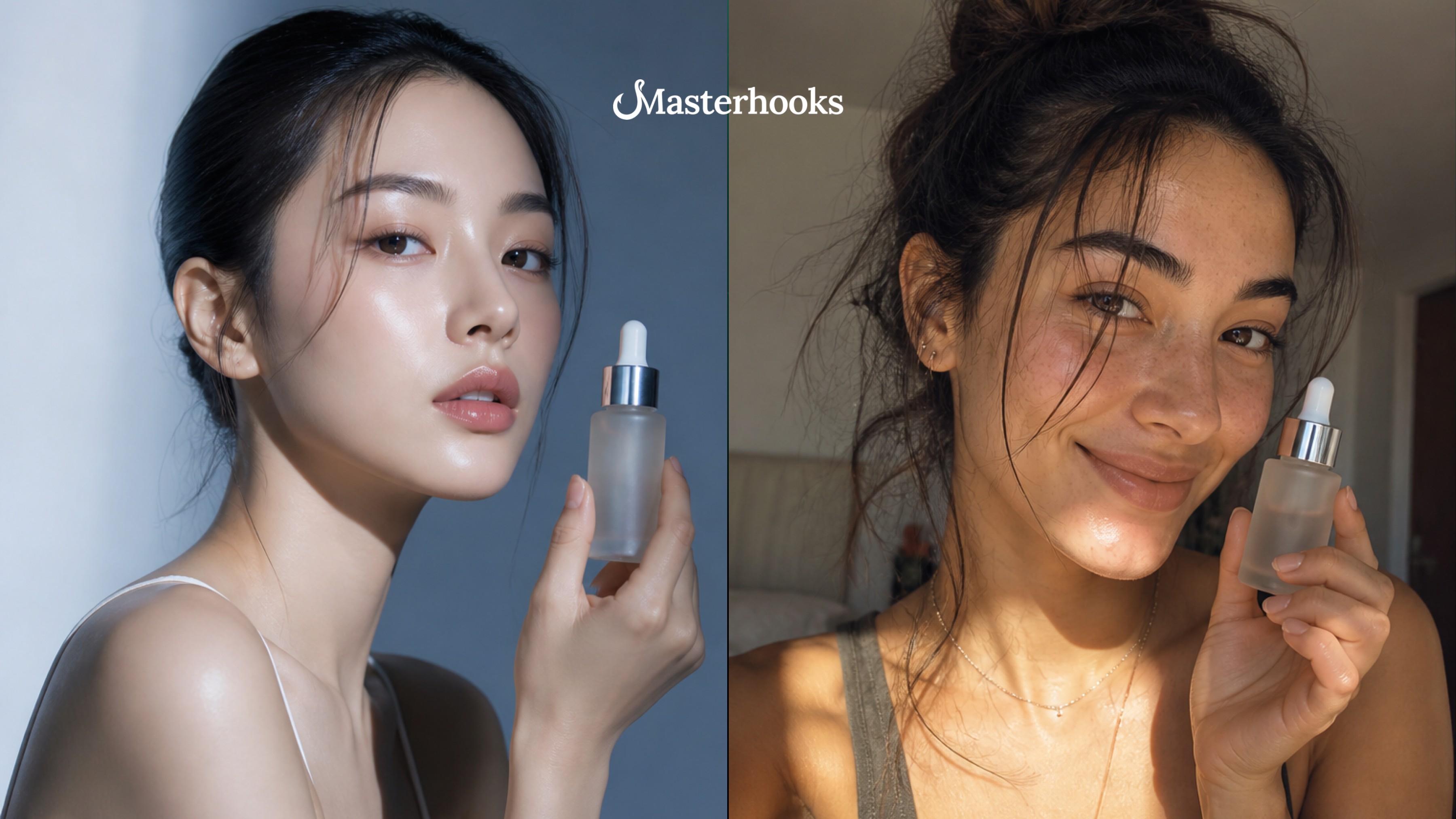
AI-Generated UGC vs. Human UGC: What Brands Need to Know Before Choosing
5 min
|
AI-Generated UGC vs. Human UGC: What Brands Need to Know Before Choosing
AI UGC is cheaper and faster. Human UGC converts better. Here's the honest breakdown of when to use each — and why the best brands are combining both.
5 min
|


Need help scaling?
Book a strategy call with our expert team to audit your current UGC setup.

