
Case Study
What Brands Can Learn From Big-Brand Halloween Campaigns
See how Dunkin’, McDonald’s, and Burger King use familiar products, characters, collectibles, and participation in Halloween marketing.
Published:

Read Time:

5 min

Written by:
Fawwaz
Trend Research and Copywriter
BUILD THE SEASONAL IDEA AROUND THE PRODUCT
NRF forecasts $13.5 billion in U.S. Halloween spending for 2026, with 49% of surveyed consumers planning to start shopping in September or earlier. That creates an extended planning window for seasonal products and content.
BUILD THE SEASONAL IDEA AROUND THE PRODUCT
NRF forecasts $13.5 billion in U.S. Halloween spending for 2026, with 49% of surveyed consumers planning to start shopping in September or earlier. That creates an extended planning window for seasonal products and content.
BUILD THE SEASONAL IDEA AROUND THE PRODUCT
NRF forecasts $13.5 billion in U.S. Halloween spending for 2026, with 49% of surveyed consumers planning to start shopping in September or earlier. That creates an extended planning window for seasonal products and content.
Overview
Dunkin’ extends a seasonal product into characters, merchandise, and collectibles.
McDonald’s refreshes a familiar Halloween format through Boo Buckets.
Burger King’s 2022 campaign connects an interactive activity with a seasonal product.
Four questions smaller brands can use to plan their own Halloween campaigns.
What these examples reveal about execution without establishing campaign ROI.
Dunkin’ and McDonald’s 2026 launches, alongside Burger King’s 2022 Home of the Ghosts campaign, illustrate three approaches: developing a character, refreshing a collectible, and connecting participation to a product. Smaller brands can adapt those mechanisms to their own products and budgets.
1. Dunkin: Turn a Product Into a Seasonal Character
Dunkin’s 2026 Halloween campaign builds on one of its recognizable seasonal products: the Spider Donut. Returning on October 14, the purple-frosted donut features a Chocolate Glazed MUNCHKINS Donut Hole Treat as its spider body, complete with icing legs and eyes.

Rather than treating it as a limited-time menu item, Dunkin’ has developed the Spider Donut into a character called Spidey D, positioning it as a recognizable Halloween icon. This character identity gives the brand opportunities to expand the campaign beyond the product itself.
The Product Appears Across Multiple Touchpoints
In 2026, Dunkin’ extended Spidey D into keychains, Mystery Boo Boxes, apparel, accessories, and décor. It also introduced Berry Battie through a new Refresher and an October 16 Bat Cup Sleeve giveaway, alongside a glow-in-the-dark MUNCHKINS Bucket.
Tap to play
Tap to play
Tap to play
The useful mechanism is the connection between the menu and the take-home object. A seasonal character can appear in the product, packaging, merchandise, and content, giving the campaign several recognizable expressions.
This Was Built Over Several Halloweens
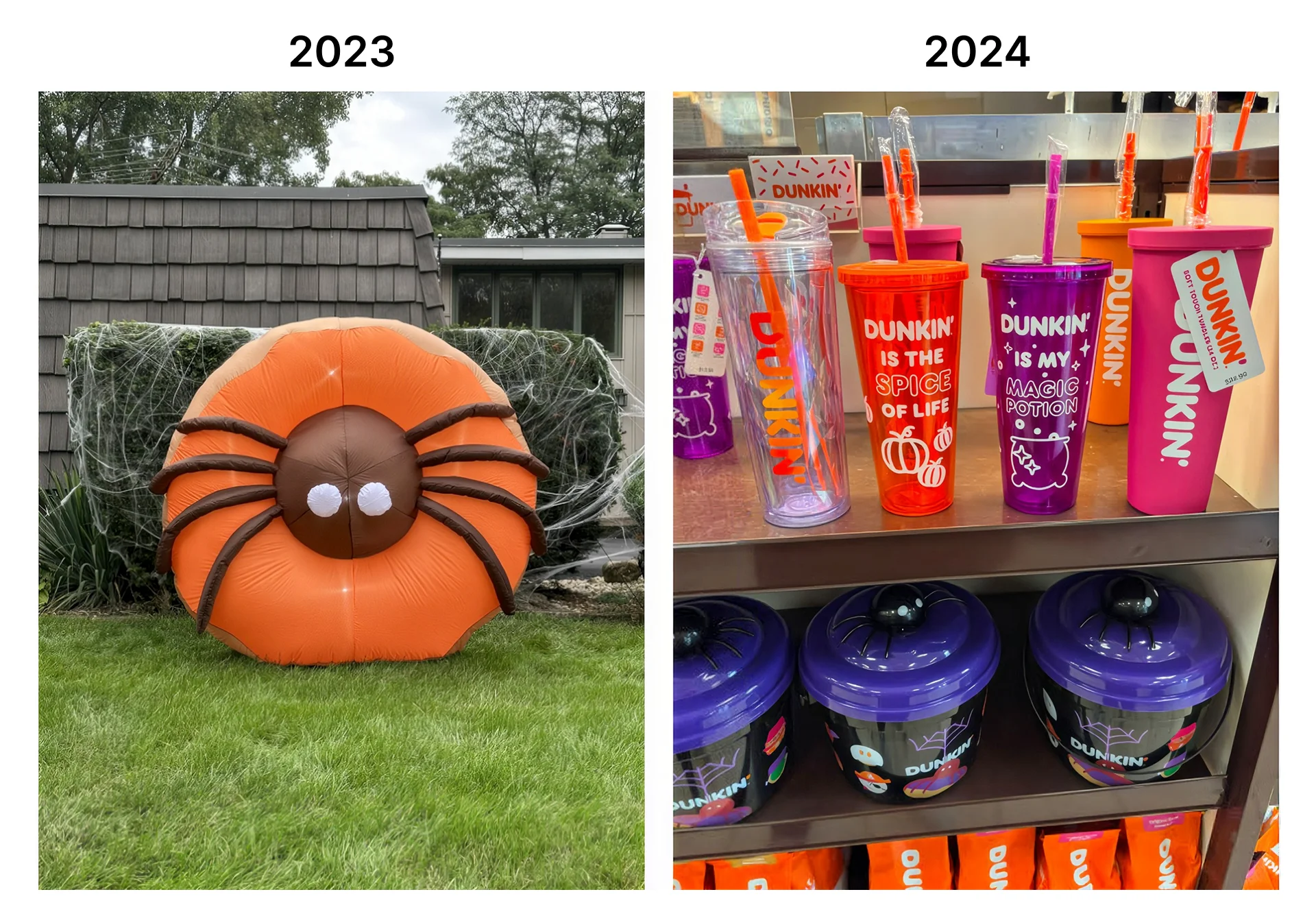
Dunkin’ has been building the Spider Donut’s character identity for years. In 2023, the brand introduced a six-foot inflatable inspired by the donut, bringing it back in 2024 alongside seasonal merchandise. By consistently reintroducing the character each Halloween, Dunkin’ strengthens customer recognition and builds on the familiarity established in previous campaigns.
2. McDonald’s: Bring Back Something Customers Already Remember
McDonald’s 2026 Disney Villains Boo Buckets launch on October 20 at participating U.S. restaurants, while supplies last. The five designs feature Ursula, Maleficent, Scar, Jafar, and Cruella de Vil. The collection refreshes a Halloween format first introduced in 1986 and revived in 2022.

This campaign leverages brand recognition built over several decades to reach multiple generations. For some customers, these buckets are the familiar Happy Meal containers; for others, they evoke childhood memories or serve as Halloween-themed collectibles. Thus, a single, instantly recognizable product is able to capture the interest of diverse audiences through different emotional connections.
Refresh a Familiar Format
A recurring seasonal format gives the next campaign an existing reference point. Smaller brands can retain a recognizable package or product ritual, then update its illustration, color, or use. The adaptation should remain identifiable as part of the brand.
Tap to play
Tap to play
3. Burger King: Give Customers Something to Do
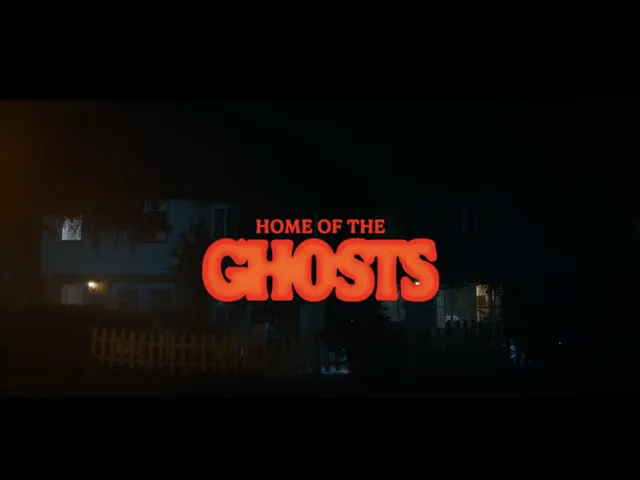
Burger King’s 2022 Home of the Ghosts campaign combined a familiar product with an interactive Halloween experience. The brand introduced the limited-time Ghost Pepper Whopper, featuring spicy queso, jalapeños, bacon, ghost pepper cheese, and an orange bun with black sesame seeds.

To extend the campaign, Burger King introduced a ghost detector experience through its app, allowing Royal Perks members to search for paranormal activity in their homes from October 17 to 31. Participants could receive a surprise involving a Ghost Pepper Whopper meal for two. The key strategy was encouraging customers to take an action before connecting that experience to the seasonal product, making participation central to the campaign.
The Halloween Mechanic Matched the Product
Burger King connected its interactive ghost detector directly to the Ghost Pepper Whopper, creating a cohesive Halloween experience. The product inspired the theme, the app encouraged customer participation, and the reward directed attention back to the menu item. For smaller brands, the key takeaway is to design simple interactive experiences that naturally connect to their products, rather than attempting to replicate the technology behind the campaign.
Tap to play
Tap to play
What Smaller Brands Can Apply This Halloween
A useful Halloween marketing strategy can start with four questions.
1. What Does the Brand Already Own?
Build Halloween campaigns around recognizable brand assets, such as existing products, packaging, characters, colors, or customer behaviors. Seasonal creativity should reinforce brand identity rather than overshadow it. If customers cannot recognize the brand without its logo, the Halloween theme may be overpowering the brand's distinctive elements.
2. Pick One Seasonal Cue
Choose one recognizable Halloween theme and apply it consistently across campaign touchpoints. Dunkin’ uses spiders and bats, McDonald’s builds around Halloween pails and monsters, while Burger King connects ghosts to its Ghost Pepper Whopper. Smaller brands can follow the same approach by focusing on one strong seasonal element rather than combining too many competing themes. For example:
Hero product | Black lipstick |
Halloween cue | Vampire |
Then that cue can influence packaging, creator content, product photography, email graphics, and the landing page.
3. Give Customers a Meaningful Action
Halloween participation can include:
Choosing | Collecting | Customizing | Ranking |
Reusing | Styling | Tasting | Recreating |
Design customer interactions around the product's natural use or appeal. Collectibles can encourage collecting, fashion products can inspire styling, food products can invite tastings or recipes, and seasonal packaging can encourage creative reuse. The most effective participation mechanics build on behaviors customers already associate with the product.
4. Coordinate the Content With Availability
Coordinate seasonal campaign content with product availability and promotional timelines. Creators, social teams, email campaigns, and product pages should communicate consistent launch dates and update messaging when products sell out. For example, Dunkin’s 2026 Halloween campaign staggered its October 14 product and merchandise launch and October 16 Bat Cup Sleeve promotion, making clear timing essential to helping customers understand what is available and when.
What These Examples EstablishThese examples document campaign design: seasonal products, collectibles, recurring characters, and participation mechanics. They do not establish incremental sales, viral UGC, or ROI. Apply the mechanisms as testable ideas and evaluate the results against the smaller brand’s own objective. |
Build Halloween Around Something Customers Can Remember
Start with one product or recurring customer ritual. Choose a seasonal expression that fits it, give customers a clear action, and align the content with availability. Use the campaign to learn which idea customers recognize and choose to participate in.
Masterhooks helps brands develop UGC strategies, creator briefs, and content systems that encourage audience participation. Its free brand audit can help identify existing brand assets with the strongest potential for seasonal campaigns.
Want to turn a recognizable product or seasonal idea into a creator campaign people can participate in?

Want to turn a recognizable product or seasonal idea into a creator campaign people can participate in?
Dunkin’ and McDonald’s 2026 launches, alongside Burger King’s 2022 Home of the Ghosts campaign, illustrate three approaches: developing a character, refreshing a collectible, and connecting participation to a product. Smaller brands can adapt those mechanisms to their own products and budgets.
1. Dunkin: Turn a Product Into a Seasonal Character
Dunkin’s 2026 Halloween campaign builds on one of its recognizable seasonal products: the Spider Donut. Returning on October 14, the purple-frosted donut features a Chocolate Glazed MUNCHKINS Donut Hole Treat as its spider body, complete with icing legs and eyes.
Rather than treating it as a limited-time menu item, Dunkin’ has developed the Spider Donut into a character called Spidey D, positioning it as a recognizable Halloween icon. This character identity gives the brand opportunities to expand the campaign beyond the product itself.
The Product Appears Across Multiple Touchpoints
In 2026, Dunkin’ extended Spidey D into keychains, Mystery Boo Boxes, apparel, accessories, and décor. It also introduced Berry Battie through a new Refresher and an October 16 Bat Cup Sleeve giveaway, alongside a glow-in-the-dark MUNCHKINS Bucket.
Tap to play
Tap to play
Tap to play
The useful mechanism is the connection between the menu and the take-home object. A seasonal character can appear in the product, packaging, merchandise, and content, giving the campaign several recognizable expressions.
This Was Built Over Several Halloweens
Dunkin’ has been building the Spider Donut’s character identity for years. In 2023, the brand introduced a six-foot inflatable inspired by the donut, bringing it back in 2024 alongside seasonal merchandise. By consistently reintroducing the character each Halloween, Dunkin’ strengthens customer recognition and builds on the familiarity established in previous campaigns.
2. McDonald’s: Bring Back Something Customers Already Remember
McDonald’s 2026 Disney Villains Boo Buckets launch on October 20 at participating U.S. restaurants, while supplies last. The five designs feature Ursula, Maleficent, Scar, Jafar, and Cruella de Vil. The collection refreshes a Halloween format first introduced in 1986 and revived in 2022.
This campaign leverages brand recognition built over several decades to reach multiple generations. For some customers, these buckets are the familiar Happy Meal containers; for others, they evoke childhood memories or serve as Halloween-themed collectibles. Thus, a single, instantly recognizable product is able to capture the interest of diverse audiences through different emotional connections.
Refresh a Familiar Format
A recurring seasonal format gives the next campaign an existing reference point. Smaller brands can retain a recognizable package or product ritual, then update its illustration, color, or use. The adaptation should remain identifiable as part of the brand.
Tap to play
Tap to play
3. Burger King: Give Customers Something to Do
Burger King’s 2022 Home of the Ghosts campaign combined a familiar product with an interactive Halloween experience. The brand introduced the limited-time Ghost Pepper Whopper, featuring spicy queso, jalapeños, bacon, ghost pepper cheese, and an orange bun with black sesame seeds.
To extend the campaign, Burger King introduced a ghost detector experience through its app, allowing Royal Perks members to search for paranormal activity in their homes from October 17 to 31. Participants could receive a surprise involving a Ghost Pepper Whopper meal for two. The key strategy was encouraging customers to take an action before connecting that experience to the seasonal product, making participation central to the campaign.
The Halloween Mechanic Matched the Product
Burger King connected its interactive ghost detector directly to the Ghost Pepper Whopper, creating a cohesive Halloween experience. The product inspired the theme, the app encouraged customer participation, and the reward directed attention back to the menu item. For smaller brands, the key takeaway is to design simple interactive experiences that naturally connect to their products, rather than attempting to replicate the technology behind the campaign.
Tap to play
Tap to play
What Smaller Brands Can Apply This Halloween
A useful Halloween marketing strategy can start with four questions.
1. What Does the Brand Already Own?
Build Halloween campaigns around recognizable brand assets, such as existing products, packaging, characters, colors, or customer behaviors. Seasonal creativity should reinforce brand identity rather than overshadow it. If customers cannot recognize the brand without its logo, the Halloween theme may be overpowering the brand's distinctive elements.
2. Pick One Seasonal Cue
Choose one recognizable Halloween theme and apply it consistently across campaign touchpoints. Dunkin’ uses spiders and bats, McDonald’s builds around Halloween pails and monsters, while Burger King connects ghosts to its Ghost Pepper Whopper. Smaller brands can follow the same approach by focusing on one strong seasonal element rather than combining too many competing themes. For example:
Hero product | Black lipstick |
Halloween cue | Vampire |
Then that cue can influence packaging, creator content, product photography, email graphics, and the landing page.
3. Give Customers a Meaningful Action
Halloween participation can include:
Choosing | Collecting | Customizing | Ranking |
Reusing | Styling | Tasting | Recreating |
Design customer interactions around the product's natural use or appeal. Collectibles can encourage collecting, fashion products can inspire styling, food products can invite tastings or recipes, and seasonal packaging can encourage creative reuse. The most effective participation mechanics build on behaviors customers already associate with the product.
4. Coordinate the Content With Availability
Coordinate seasonal campaign content with product availability and promotional timelines. Creators, social teams, email campaigns, and product pages should communicate consistent launch dates and update messaging when products sell out. For example, Dunkin’s 2026 Halloween campaign staggered its October 14 product and merchandise launch and October 16 Bat Cup Sleeve promotion, making clear timing essential to helping customers understand what is available and when.
What These Examples EstablishThese examples document campaign design: seasonal products, collectibles, recurring characters, and participation mechanics. They do not establish incremental sales, viral UGC, or ROI. Apply the mechanisms as testable ideas and evaluate the results against the smaller brand’s own objective. |
Build Halloween Around Something Customers Can Remember
Start with one product or recurring customer ritual. Choose a seasonal expression that fits it, give customers a clear action, and align the content with availability. Use the campaign to learn which idea customers recognize and choose to participate in.
Masterhooks helps brands develop UGC strategies, creator briefs, and content systems that encourage audience participation. Its free brand audit can help identify existing brand assets with the strongest potential for seasonal campaigns.
Want to turn a recognizable product or seasonal idea into a creator campaign people can participate in?
Related Reading
Related Reading

How Widow's Bay Went From Obscure to 1 Million Searches in One Night
5 min
|
Case Study
How Widow's Bay Went From Obscure to 1 Million Searches in One Night
How Widow’s Bay turned 14 Emmy wins into a massive discovery wave, and what brands can learn about validation, word of mouth, and growth.
5 min
|
Case Study
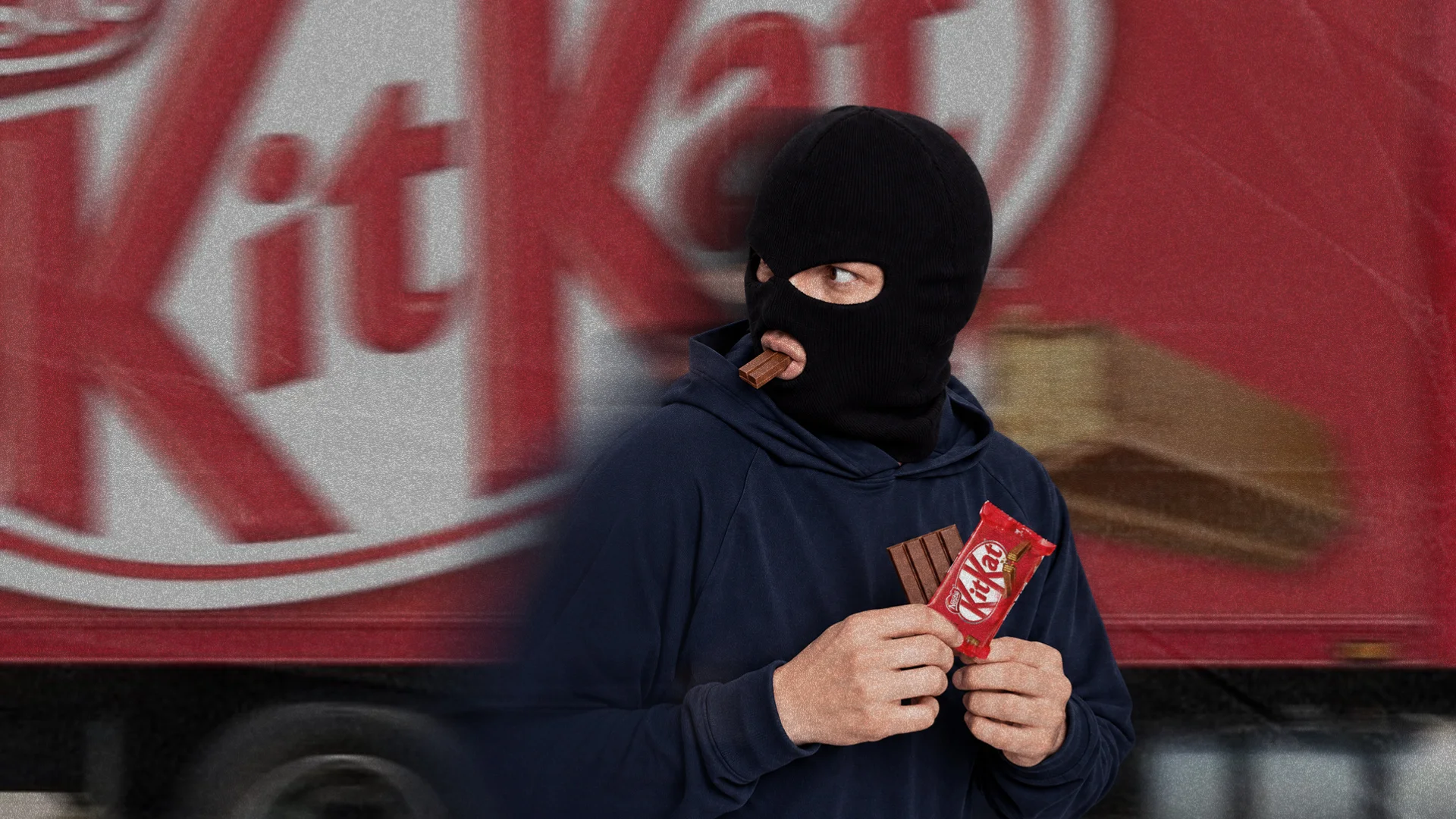
How KitKat Turned a Real Chocolate Heist Into One of 2026's Most Shareable Brand Moments
6 min
|
Case Study
How KitKat Turned a Real Chocolate Heist Into One of 2026's Most Shareable Brand Moments
How KitKat turned a real chocolate theft into a viral campaign through transparency, participation, humor, and earned media.
6 min
|
Case Study

How Marvel Built a 2.86 Billion Reach UGC Machine for Spider-Man: Brand New Day
4 min
|
Case Study
How Marvel Built a 2.86 Billion Reach UGC Machine for Spider-Man: Brand New Day
Discover how Marvel generated 2.86 billion social reach for Spider-Man: Brand New Day using fan contests, brand partnerships, and emotional storytelling.
4 min
|
Case Study


Need help scaling?
Book a strategy call with our expert team to audit your current UGC setup.