Saving Is the New Sharing: How to Make UGC That Gets Saved (Not Just Watched)
Instagram now values saves and DM shares more than likes. Learn how brands can create UGC designed to increase Instagram engagement beyond likes. Read more!
Published:

Read Time:

3 min

Written by:
Fawwaz
Trend Research and Copywriter
NOT ONLY WIDELY VIEWED BUT ALSO SAVED
The best UGC (User Generated Content) on Instagram is increasingly created with the next action in mind. Saves and DM shares can be more valuable than likes because they help content reach more people. This means brands and creators need to think about what they want viewers to do after watching.
NOT ONLY WIDELY VIEWED BUT ALSO SAVED
The best UGC (User Generated Content) on Instagram is increasingly created with the next action in mind. Saves and DM shares can be more valuable than likes because they help content reach more people. This means brands and creators need to think about what they want viewers to do after watching.
NOT ONLY WIDELY VIEWED BUT ALSO SAVED
The best UGC (User Generated Content) on Instagram is increasingly created with the next action in mind. Saves and DM shares can be more valuable than likes because they help content reach more people. This means brands and creators need to think about what they want viewers to do after watching.
Some industry analyses estimate that a single DM share can have the distribution impact of around 15 likes, while a save can be worth around 10 likes. These are only estimates, not official Instagram metrics, but they highlight a shift in how content performance is measured. Likes show engagement, while saves and shares can signal stronger intent, with saves showing that content is useful and shares showing that people find it worth passing on.
What Changed With the Instagram Algorithm in 2026?
Instagram does not have a single algorithm that applies to everything. The Feed, Reels, Explore, and Stories use different ranking systems, but the overall trend appears to be increasingly focused on actions that indicate whether a piece of content is truly valuable or relevant to a specific audience.
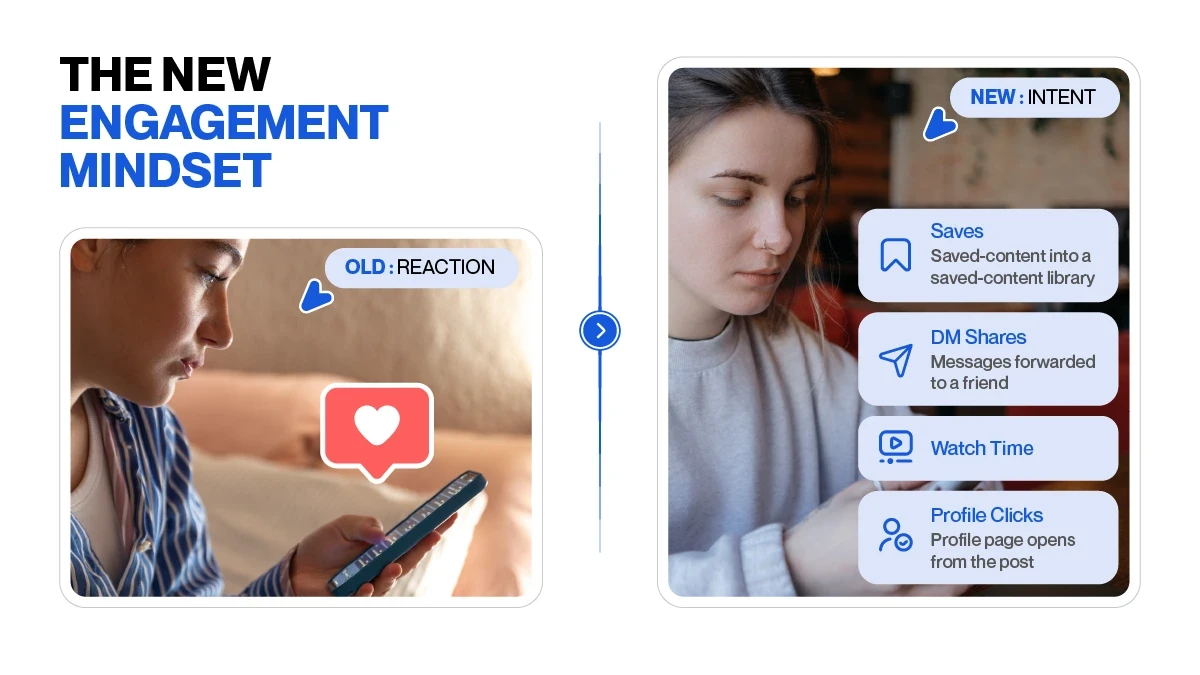
Adam Mosseri has repeatedly highlighted watch time, the number of saves per reach, and the number of likes per reach as key signals for Instagram’s recommendations. Recent industry analysis places saves on par with shares as highly valuable indicators of content that users want to save or share.
This is the clearest sign that in the Instagram algorithm, saves are more important than likes when it comes to how far a post travels. The practical takeaway regarding UGC is essentially very simple: a post can perform well because people enjoy it, but its reach can extend even further when people have a reason to save or share it.
Instagram is also giving users more control
Another key development is Instagram’s “Your Algorithm” feature, which allows users to view topics related to their interests and tell the platform which topics they’d like to see more or less of.
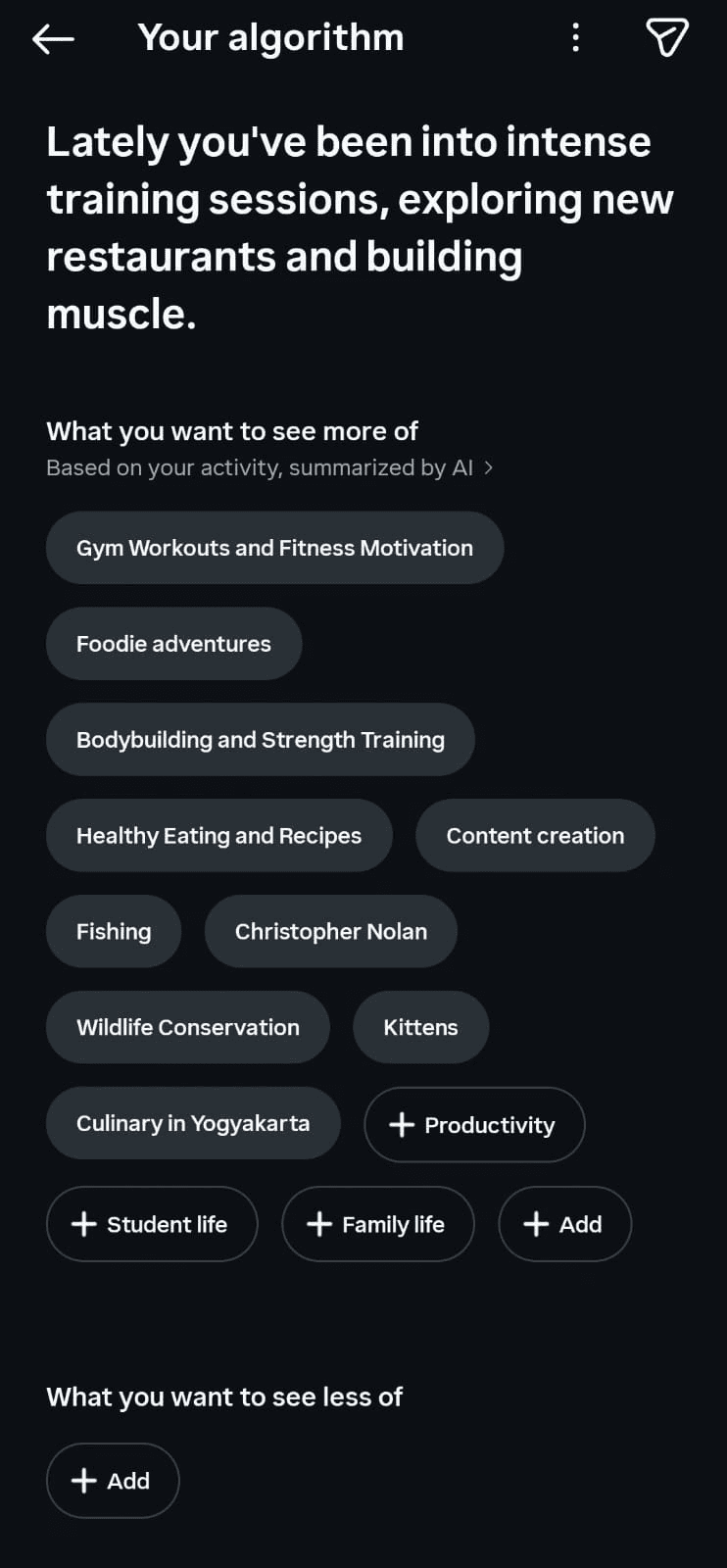
This feature was initially tested on Reels before being expanded to Explore and the main Feed. For brands, this change makes relevance even more important. High engagement alone does not guarantee that content will reach the right audience if it doesn’t clearly align with the topics they’re actually interested in.
Saves and Shares Do Different Jobs, What are those?
When you look at the Instagram algorithm's treatment of saves, shares vs likes, one of the most common mistakes is assuming that every engagement signal reflects the same behavior, when in fact it does not.
Saving a post on Instagram usually indicates that someone might need it later, whereas sharing content via DM usually indicates that the user feels a relative needs to see that content. These motivations lead to different types of content.
Saves create longer shelf life | Shares create immediate reach |
A save is useful when that content has value beyond the moment someone views it. The content doesn’t have to be entertaining enough, but it should be useful enough that closing the app doesn’t mean forgetting about it. Here are formats that naturally encourage saves:
| Sharing content via DM involves a different psychological dynamic because this action typically occurs when content feels socially relevant. When someone sends a Reel to a friend, partner, coworker, or family member, they are indirectly making a recommendation. This might lead someone to think:
That’s why content that feels relevant, validating, practical, or slightly controversial is more likely to be shared and reach new audiences who might not otherwise discover it organically. |
What Content Gets Saved on Instagram?
If a brand wants to earn more Instagram saves, the creative brief must address how someone might want to revisit this content six days from now. This question instantly changes the type of content creators produce
1. Give people something they can reference
List-based content is naturally worth saving because it organizes information into a format that others can refer back to. Here’s a rephrasing you can use to give your audience a reason to save that information:
Here are a few things I like about this moisturizer | → | Save this if you’re putting together a simple skincare routine |
2. Make the information actionable
General advice is easy to forget, but specific instructions are worth keeping in mind. Consider the following examples, where the second statement provides a more practical guideline than the first:
Stay consistent with your skincare routine | → | Follow this routine for seven nights before switching to another product |
3. Turn experiences into frameworks
UGC doesn’t have to be limited to testimonials, because a creator can actually turn their personal experiences into something useful for others. For example:
“Things I Wish I’d Known Before Spending $500 on My First Home Gym.”
This can be turned into a checklist, a buying guide, or a set of simple lessons where the creator’s personal experience adds an element of authenticity, while the structure encourages people to save the content.
What Content Gets Shared in DMs?
For content intended to be shared, a creative brief should be developed to identify the persona with whom viewers are likely to relate after watching the video. That persona does not need to be explicitly mentioned in the video, as the content only needs to trigger recognition of that persona.
RelatabilityA creator describes something viewers have experienced themselves, so the content is highly sendable because viewers can attach it to a friend. For example: "When you finally have a free weekend and suddenly remember every responsibility you've ignored." |
ValidationPeople often share content because it expresses exactly how they feel, so this content can serve as a conversation starter with others. A creator might explain why constantly checking work messages outside of office hours creates the feeling that they’re never truly disconnected from work. Then, viewers might forward it to a coworker that is facing the same struggle. |
Useful controversyStrong opinions can also encourage people to share content if they want others to see it, particularly effective when the statements challenge common assumptions. However, for brands, controversy must provide value to the audience, not just an engagement bait. If the content feels contrived, the value of sharing it diminishes, and the brand will end up being the talk of the town for the wrong reasons. |
From Engagement Metrics to Creative Intelligence
A practical change for brands is to make saves and shares creative goals from the start, rather than treating them as metrics to review after publishing. Designing for saves and DM shares is one of the most reliable ways to increase Instagram engagement that compounds over time, instead of relying on likes that fade after a day. A creator’s brief can specify the behavior to trigger, such as save-first tutorials for a skincare brand or share-first stories for an app.
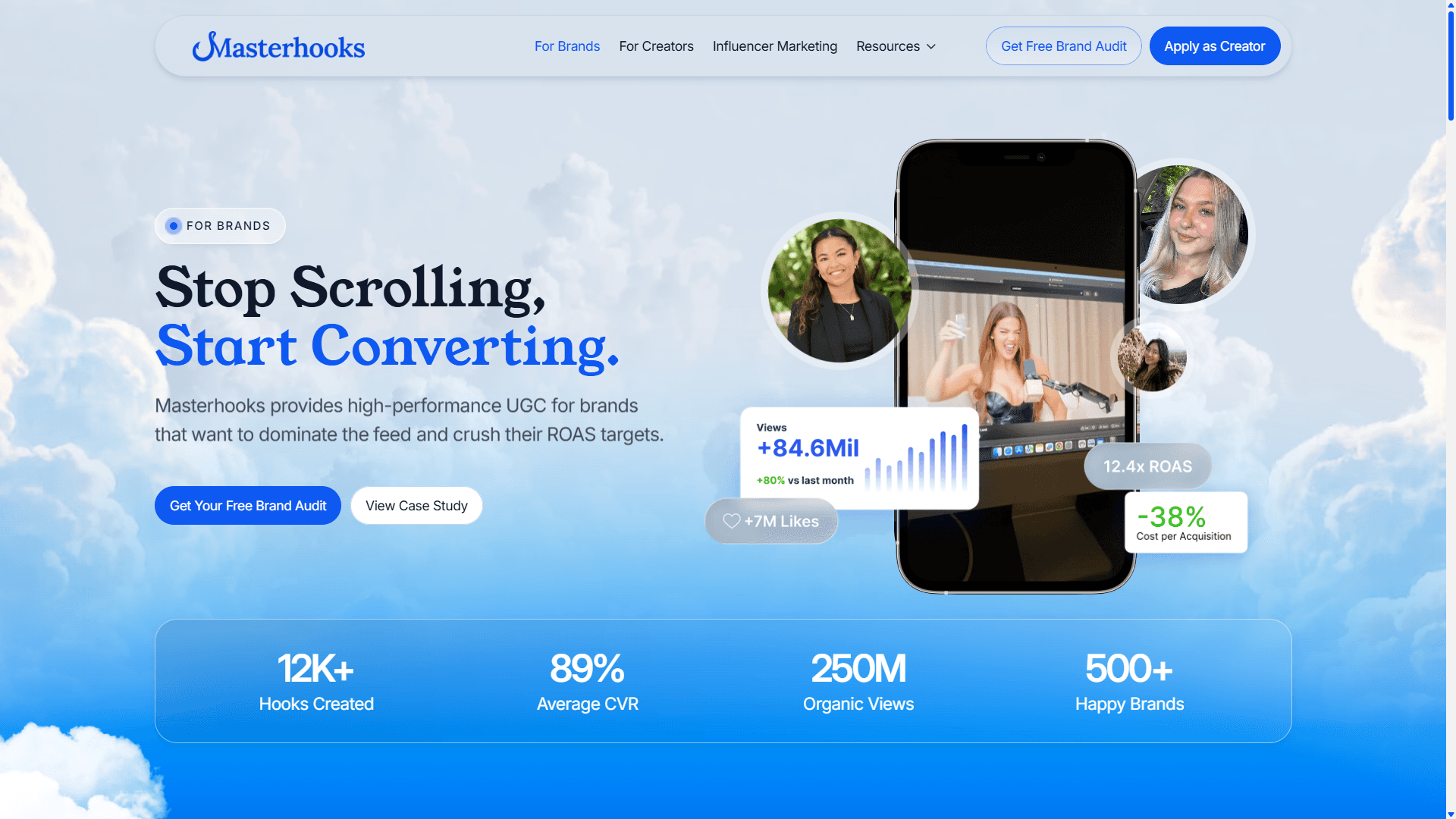
Masterhooks’ approach to UGC and influencer marketing performance as part of the creative process. Data helps identify which hooks, formats, creators, and perspectives work best, allowing brands to continuously create, measure, learn, and optimize. For brands that want to know whether their content is simply grabbing attention or delivering real value, the Masterhooks free Brand Audit is a practical place to start.
Want to know if your content is just grabbing attention or actually getting saved and shared?

Want to know if your content is just grabbing attention or actually getting saved and shared?
Some industry analyses estimate that a single DM share can have the distribution impact of around 15 likes, while a save can be worth around 10 likes. These are only estimates, not official Instagram metrics, but they highlight a shift in how content performance is measured. Likes show engagement, while saves and shares can signal stronger intent, with saves showing that content is useful and shares showing that people find it worth passing on.
What Changed With the Instagram Algorithm in 2026?
Instagram does not have a single algorithm that applies to everything. The Feed, Reels, Explore, and Stories use different ranking systems, but the overall trend appears to be increasingly focused on actions that indicate whether a piece of content is truly valuable or relevant to a specific audience.
Adam Mosseri has repeatedly highlighted watch time, the number of saves per reach, and the number of likes per reach as key signals for Instagram’s recommendations. Recent industry analysis places saves on par with shares as highly valuable indicators of content that users want to save or share.
This is the clearest sign that in the Instagram algorithm, saves are more important than likes when it comes to how far a post travels. The practical takeaway regarding UGC is essentially very simple: a post can perform well because people enjoy it, but its reach can extend even further when people have a reason to save or share it.
Instagram is also giving users more control
Another key development is Instagram’s “Your Algorithm” feature, which allows users to view topics related to their interests and tell the platform which topics they’d like to see more or less of.
This feature was initially tested on Reels before being expanded to Explore and the main Feed. For brands, this change makes relevance even more important. High engagement alone does not guarantee that content will reach the right audience if it doesn’t clearly align with the topics they’re actually interested in.
Saves and Shares Do Different Jobs, What are those?
When you look at the Instagram algorithm's treatment of saves, shares vs likes, one of the most common mistakes is assuming that every engagement signal reflects the same behavior, when in fact it does not.
Saving a post on Instagram usually indicates that someone might need it later, whereas sharing content via DM usually indicates that the user feels a relative needs to see that content. These motivations lead to different types of content.
Saves create longer shelf life | Shares create immediate reach |
A save is useful when that content has value beyond the moment someone views it. The content doesn’t have to be entertaining enough, but it should be useful enough that closing the app doesn’t mean forgetting about it. Here are formats that naturally encourage saves:
| Sharing content via DM involves a different psychological dynamic because this action typically occurs when content feels socially relevant. When someone sends a Reel to a friend, partner, coworker, or family member, they are indirectly making a recommendation. This might lead someone to think:
That’s why content that feels relevant, validating, practical, or slightly controversial is more likely to be shared and reach new audiences who might not otherwise discover it organically. |
What Content Gets Saved on Instagram?
If a brand wants to earn more Instagram saves, the creative brief must address how someone might want to revisit this content six days from now. This question instantly changes the type of content creators produce
1. Give people something they can reference
List-based content is naturally worth saving because it organizes information into a format that others can refer back to. Here’s a rephrasing you can use to give your audience a reason to save that information:
Here are a few things I like about this moisturizer | → | Save this if you’re putting together a simple skincare routine |
2. Make the information actionable
General advice is easy to forget, but specific instructions are worth keeping in mind. Consider the following examples, where the second statement provides a more practical guideline than the first:
Stay consistent with your skincare routine | → | Follow this routine for seven nights before switching to another product |
3. Turn experiences into frameworks
UGC doesn’t have to be limited to testimonials, because a creator can actually turn their personal experiences into something useful for others. For example:
“Things I Wish I’d Known Before Spending $500 on My First Home Gym.”
This can be turned into a checklist, a buying guide, or a set of simple lessons where the creator’s personal experience adds an element of authenticity, while the structure encourages people to save the content.
What Content Gets Shared in DMs?
For content intended to be shared, a creative brief should be developed to identify the persona with whom viewers are likely to relate after watching the video. That persona does not need to be explicitly mentioned in the video, as the content only needs to trigger recognition of that persona.
RelatabilityA creator describes something viewers have experienced themselves, so the content is highly sendable because viewers can attach it to a friend. For example: "When you finally have a free weekend and suddenly remember every responsibility you've ignored." |
ValidationPeople often share content because it expresses exactly how they feel, so this content can serve as a conversation starter with others. A creator might explain why constantly checking work messages outside of office hours creates the feeling that they’re never truly disconnected from work. Then, viewers might forward it to a coworker that is facing the same struggle. |
Useful controversyStrong opinions can also encourage people to share content if they want others to see it, particularly effective when the statements challenge common assumptions. However, for brands, controversy must provide value to the audience, not just an engagement bait. If the content feels contrived, the value of sharing it diminishes, and the brand will end up being the talk of the town for the wrong reasons. |
From Engagement Metrics to Creative Intelligence
A practical change for brands is to make saves and shares creative goals from the start, rather than treating them as metrics to review after publishing. Designing for saves and DM shares is one of the most reliable ways to increase Instagram engagement that compounds over time, instead of relying on likes that fade after a day. A creator’s brief can specify the behavior to trigger, such as save-first tutorials for a skincare brand or share-first stories for an app.
Masterhooks’ approach to UGC and influencer marketing performance as part of the creative process. Data helps identify which hooks, formats, creators, and perspectives work best, allowing brands to continuously create, measure, learn, and optimize. For brands that want to know whether their content is simply grabbing attention or delivering real value, the Masterhooks free Brand Audit is a practical place to start.
Want to know if your content is just grabbing attention or actually getting saved and shared?
Related Reading
Related Reading

UGC and Influencer Marketing Pricing Guide for Brands in 2026
4 min
|
UGC and Influencer Marketing Pricing Guide for Brands in 2026
Compare UGC rates, influencer fees, usage rights, and agency costs, with published pricing references and an example creator campaign budget for 2026.
4 min
|

How to Find the Right Influencer Marketing Agency for Your Brand (Without Wasting Budget)
6 min
|
How to Find the Right Influencer Marketing Agency for Your Brand (Without Wasting Budget)
Learn how to choose an influencer marketing agency using a practical scorecard, performance criteria, red flags, and pre-contract checks.
6 min
|

AI Video Ad Agencies: A Buyer's Guide for DTC Brands (2026)
4 min
|
AI Video Ad Agencies: A Buyer's Guide for DTC Brands (2026)
Compare AI video ad agency types, pricing, performance metrics, ownership rights, and seven questions DTC brands should ask before hiring.
4 min
|


Need help scaling?
Book a strategy call with our expert team to audit your current UGC setup.