


Trends
How Apple Turns a Product Launch Into a Yearly UGC Event That Runs Itself
How Apple Turns a Product Launch Into a Yearly UGC Event That Runs Itself
How Apple's September launch cycle turns anticipation, information scarcity, creators, and product novelty into a recurring UGC engine.
Published:

Read Time:

4 min

Written by:
Fawwaz
Trend Research and Copywriter
APPLE’S NEW PRODUCT LAUNCHES ARE AN ANNUAL HIGHLIGHT
For years, Apple has turned its September product launch events into highly anticipated moments. The audience knows when to tune in, content creators know there will be topics to discuss, while Apple still keeps enough under wraps to fuel speculation right up until the main event.
APPLE’S NEW PRODUCT LAUNCHES ARE AN ANNUAL HIGHLIGHT
For years, Apple has turned its September product launch events into highly anticipated moments. The audience knows when to tune in, content creators know there will be topics to discuss, while Apple still keeps enough under wraps to fuel speculation right up until the main event.
APPLE’S NEW PRODUCT LAUNCHES ARE AN ANNUAL HIGHLIGHT
For years, Apple has turned its September product launch events into highly anticipated moments. The audience knows when to tune in, content creators know there will be topics to discuss, while Apple still keeps enough under wraps to fuel speculation right up until the main event.
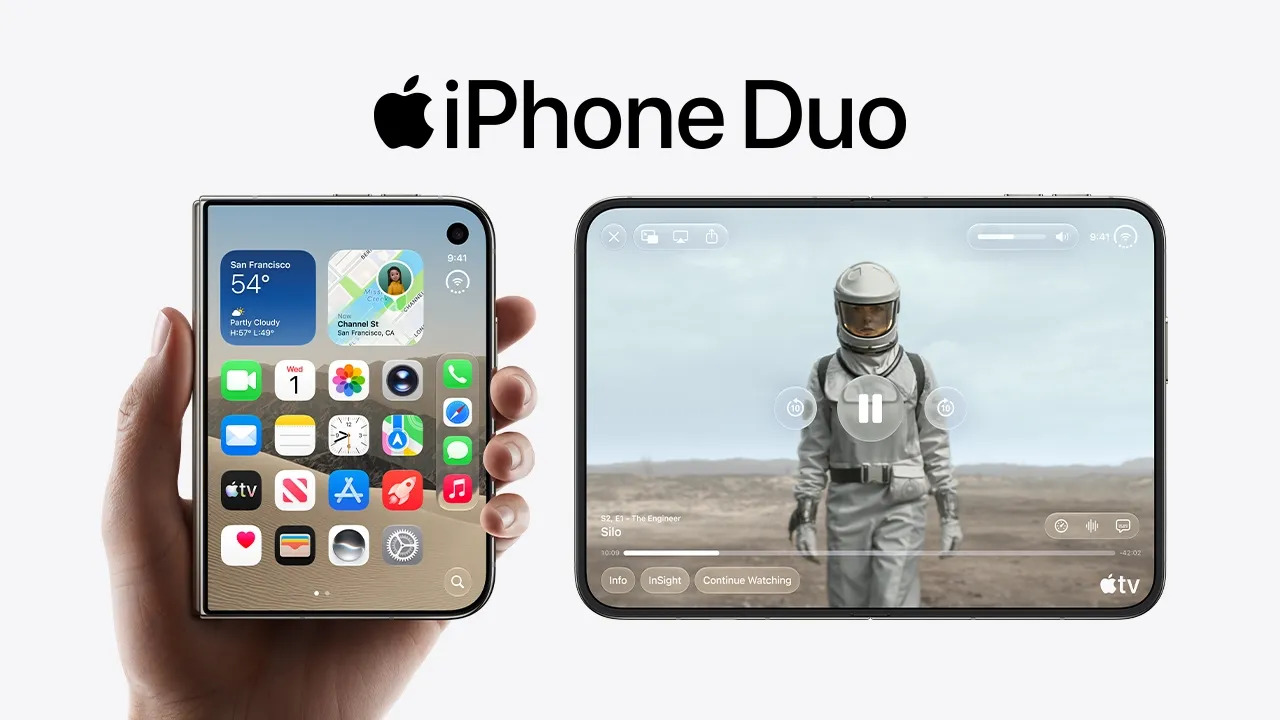
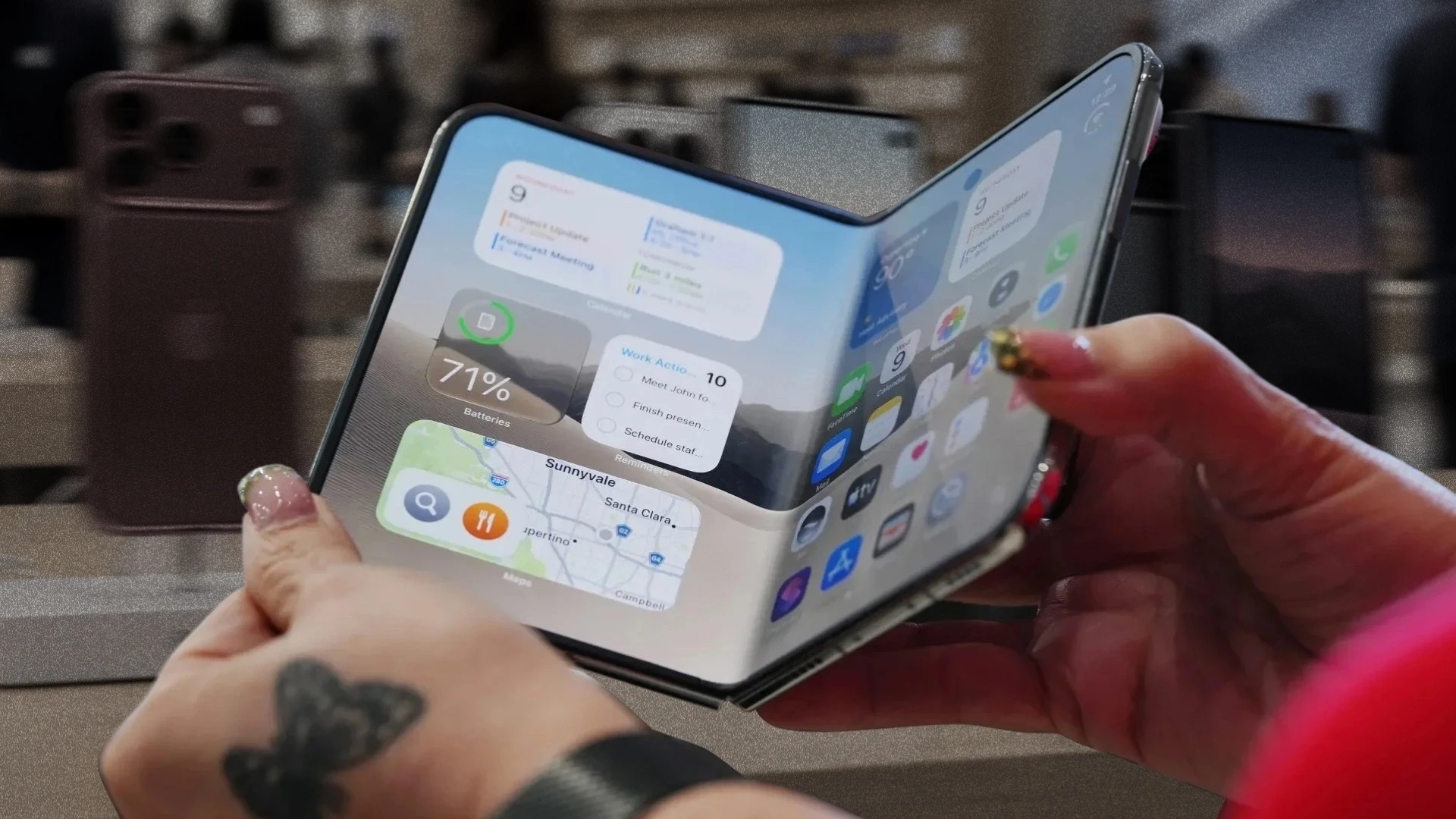
The iPhone Duo shows what happens when Apple's iPhone launch strategy meets a genuinely new product category. Even before the announcement, searches for “iPhone Duo” and “iPhone 18 launch date” reportedly rose by 300%, while “iPhone 18” increased by 150%. After the iPhone Duo was announced on September 9, the conversation grew even bigger as its design became one of the most distinctive changes in iPhone history. Apple didn't build one UGC campaign, but a system tied to its annual calendar. Every September, the audience already has a reason to start talking about Apple products again.
The September Hype Cycle
The easiest way to understand Apple's product launch strategy is to stop thinking about launch day as the campaign. Launch day is the center of a much larger content cycle that generally moves through four stages:
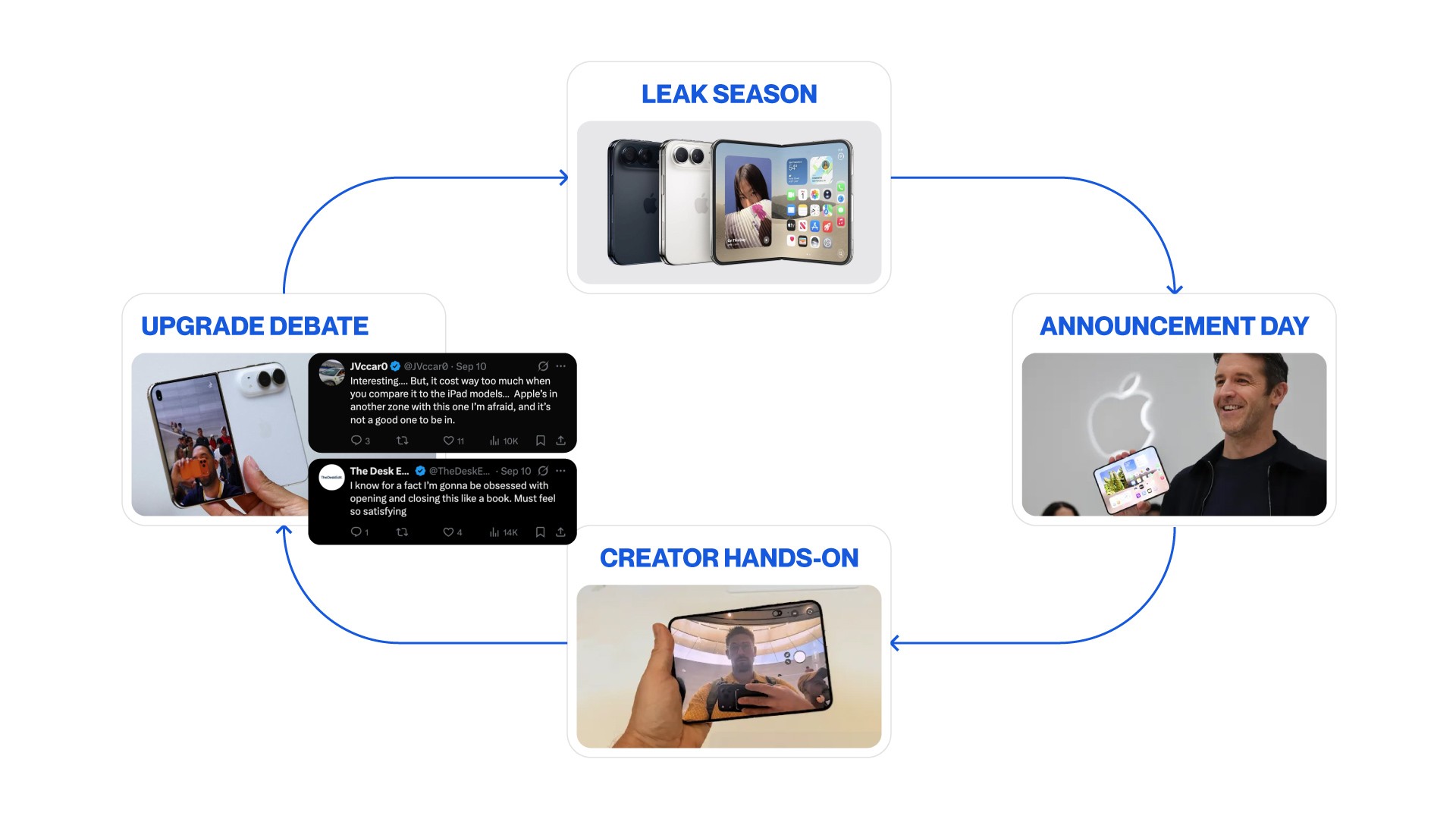
Phase 1: Leak Season
August and early September create an information gap where analysts, reporters, creators, and audiences discuss rumors, specifications, and possible designs.
Apple does not need to create all this content itself because the surrounding ecosystem does it for them. Influencity describes this as a deliberate anticipation phase that builds curiosity before the official announcement. So Apple can get attention before its advertising even begins.
Phase 2: Announcement Day
Then the information gap closes when Apple reveals the products, and the audience, creators, news outlets, competitors, and meme pages all have something new to react to.
The iPhone Duo made this even stronger because it was Apple's first foldable iPhone, giving people far more questions to discuss than a typical yearly upgrade.
Phase 3: The Creator Flood
The keynote ends, but the content does not since the creators with early access begin posting reviews, hands-on videos, comparisons, unboxings, and first impressions.
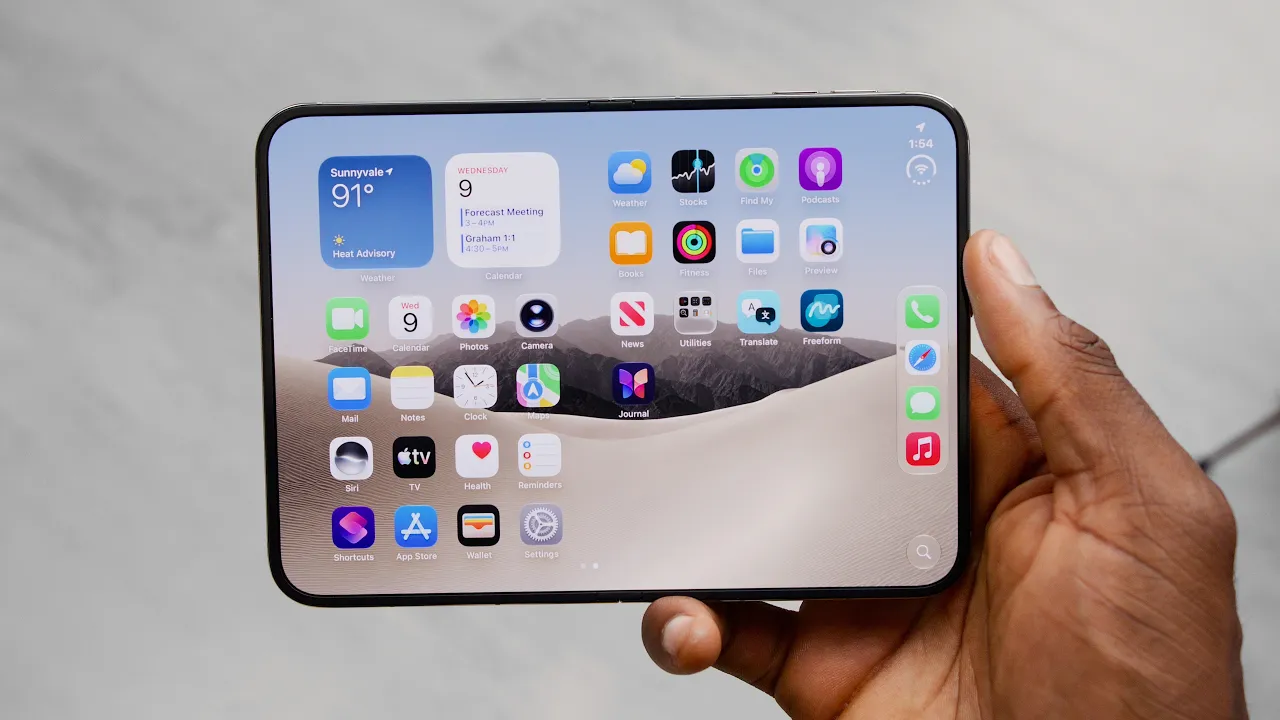
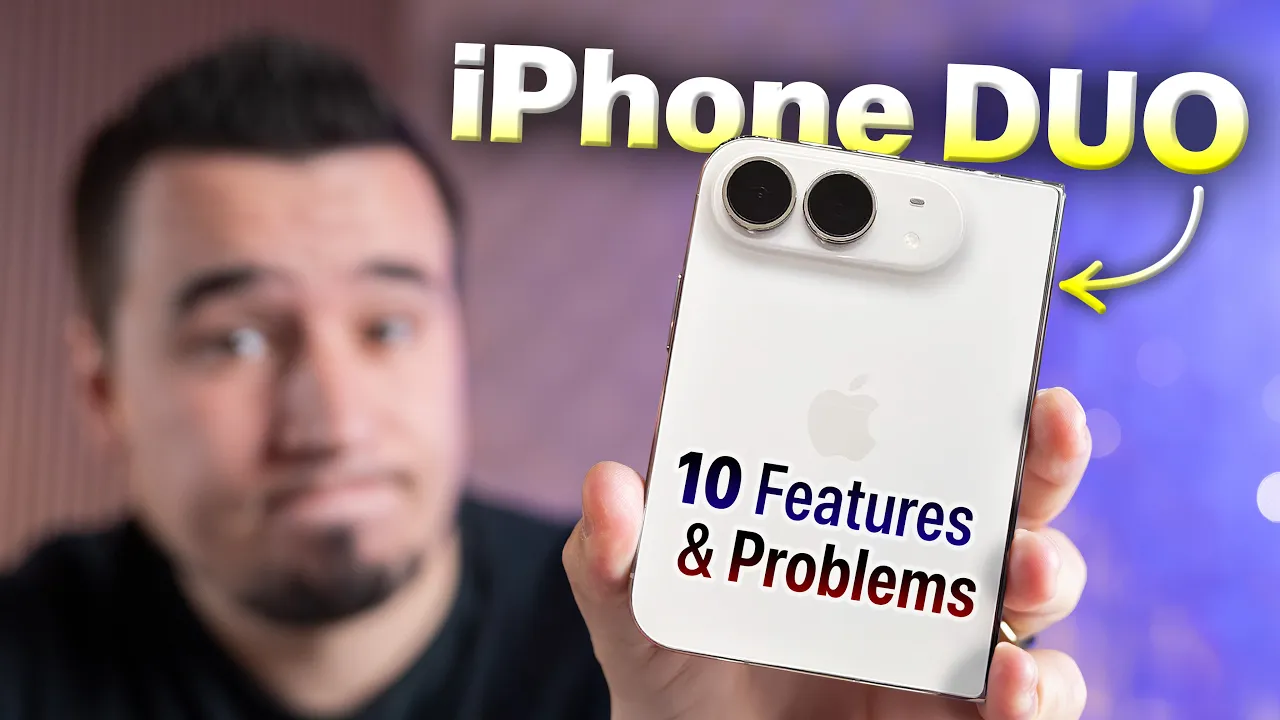
Influencity describes this as a coordinated creator layer that helps extend the launch across YouTube and social platforms. The audience no longer sees just one Apple announcement, but dozens of different takes on the same product.
Phase 4: The Upgrade Debate
Then the conversation changes again, moving the question from “What is this?” to “Should I buy it?” This creates a new wave of content around camera tests, battery tests, long-term reviews, upgrade advice, and comparisons like “Duo vs Pro Max.”
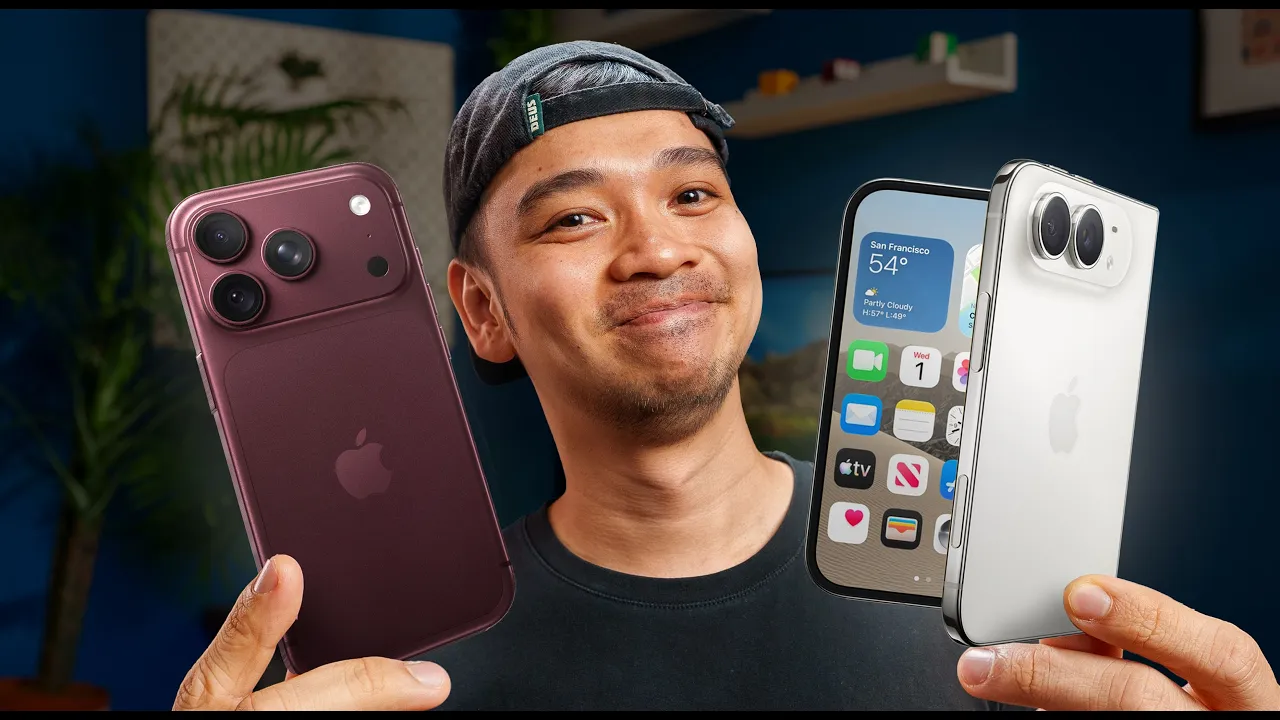
As the initial excitement waned, the content shifted toward being more practical, helping people make purchasing decisions. This breathed new life into the launch. Moreover, the conversation surrounding the "iPhone Duo" expanded further, fueled by a wave of social media memes and the participation of major brands like Duolingo and Samsung.
Why the Predictable Cadence Works
Apple's September event is predictable, but the content is not. People know when to expect new products, but they do not know exactly what Apple will reveal. This creates a simple combination: predictable timing builds anticipation, while uncertainty creates curiosity.
Apple also keeps official details limited before major events, giving analysts, creators, news outlets, and audiences something to discuss. Influencity describes this as Apple's “whisper, then wow” approach, where pre-launch speculation builds attention before the official announcement and creator rollout. Instead of revealing everything at once, Apple lets the audience help build the hype before the launch.
The paradoxMore information does not always create more anticipation. Sometimes withholding information creates more content because the audience fills the empty space themselves. |
The iPhone Duo Added Something Apple Usually Doesn't Have
There is a big difference between an annual update and a genuine first. A new camera or faster processor can create interest, but a foldable iPhone represents a completely new category for Apple. The product had also been rumored for years, with analysts predicting its arrival as early as 2024 and Reuters reporting in July 2024 that Apple was preparing a foldable iPhone for as early as 2026.
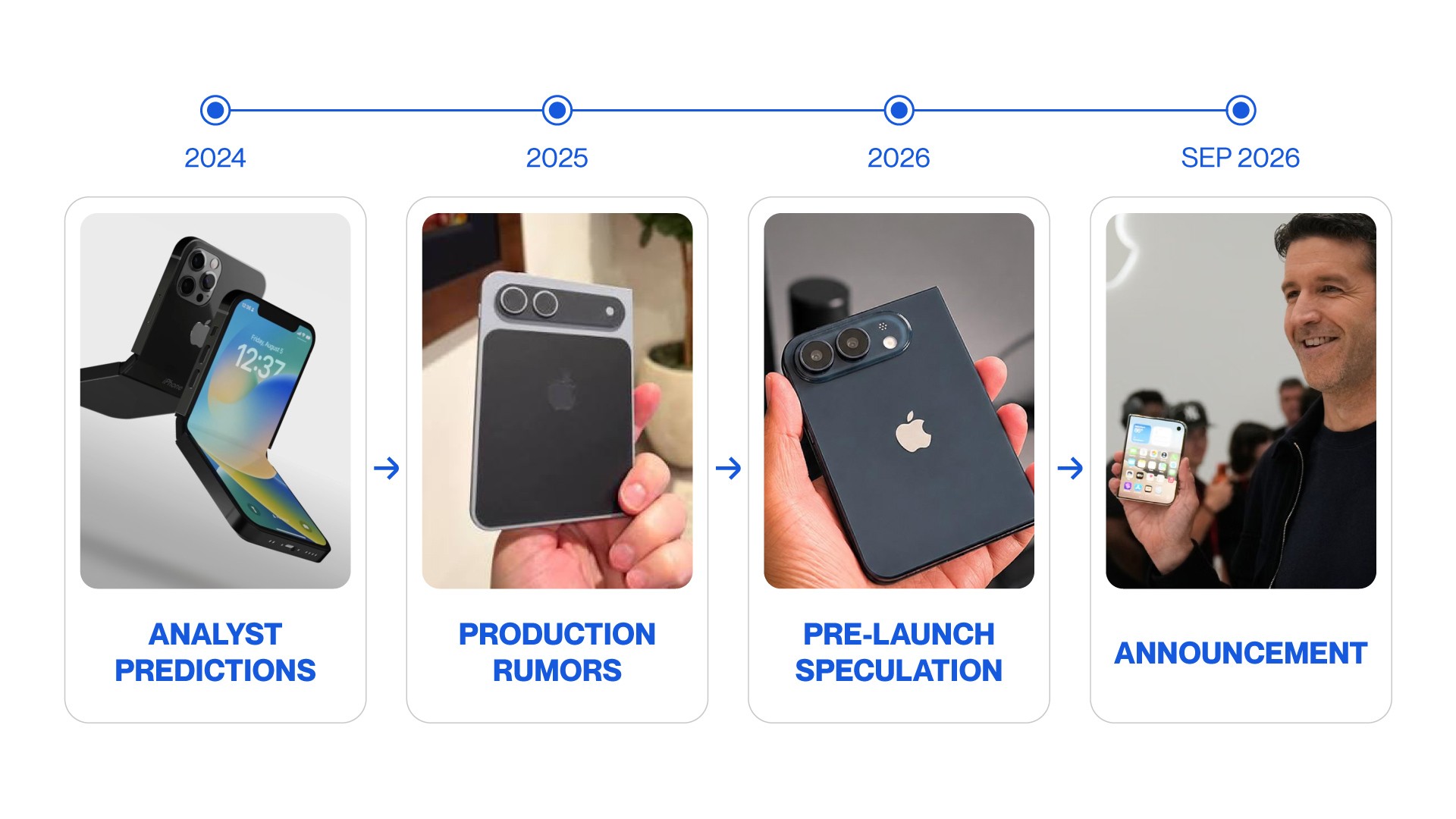
By the time the Duo arrived, people had already spent years imagining what it might look like and how it would work. That gave the launch a much bigger story to tell and more questions for creators to explore, from the hinge and display to the iOS experience and whether the $1,999 price was worth it. Each question can become a video, each video can create another reaction, and that turns a product launch into a content engine.
#ShotOniPhone Shows the Other Side of the System
The September launch cycle creates temporary attention, but Apple UGC runs on a second, evergreen layer too, through #ShotOniPhone. Started in 2015, the campaign turned photos taken by iPhone users into a recurring content property. Third-party research has reported more than 28.9 million Instagram posts using the hashtag, although counts vary by source and date.
What makes the system valuable is that the format stays the same while the product keeps changing. Apple gives users a familiar way to participate, while each new iPhone brings better cameras, new features, and fresh creative possibilities. Users create the content, Apple can curate and amplify it, and the next iPhone gives the system another reason to continue. The audience already understands how to participate, so Apple does not need to rebuild the campaign from scratch every year.
The Launch and UGC Systems Feed Each Other
Now connect the two mechanisms where the September event creates attention, and the product gives people something new to discuss.
The #ShotOniPhone ecosystem provides an ongoing reason to create where creators can interpret it, and the audiences will respond. Then the next September arrives and the cycle begins again as a system that looks like this:
Anticipation → Announcement → Creator interpretation → Audience reaction → UGC → Search and conversation → Purchase consideration → Next year's anticipation
The important part is the final arrow since the launch does not simply end. It helps create the audience that will be waiting for the next one.
Why This Works Beyond Apple
Replicating Apple’s scale is nearly impossible for most brands, but the architecture of it is not. A small brand does not need millions of followers to build an annual attention event, they just need to do this:
Create a predictable momentLaunch something meaningful around the same time every year, whether it's a new collection, annual report, flagship event, seasonal product, or community challenge. Over time, audiences learn to expect it and start anticipating what comes next. |
Keep the outcome uncertainKeep the date predictable, but leave some surprise in the content. When audiences know when to expect something but not exactly what they will see, they have a reason to keep watching. |
Give people something newA new product, feature, collaboration, or format can all create attention. The key is to create something people find interesting enough to explain, discuss, or share with someone else. |
Create Curiosity With Information Scarcity
Brands do not need to reveal everything at once. A teaser that explains the entire product leaves little for the audience to discover, while a controlled amount of information creates room for speculation. A simple approach is to reveal the date, reveal the category, but withhold the details. The goal is to create genuine curiosity without relying on fake leaks.
This works even better when the announcement introduces something people haven't seen before. That could be a new product category, creator collaboration, format, physical experience, community mechanic, or use case. The more unfamiliar the experience, the more questions it creates.
A Simple Framework for Your Own Annual Event
Brands can turn this into a repeatable launch framework:
90 days before | 30 days before | Launch week | Weeks 2 to 4 | Post Campaign |
|
| Create one clear reveal moment to coordinate creator content around the announcement.
|
|
|
Build a Moment People Expect
The iPhone Duo did not create Apple's September hype cycle. It amplified a system built over years through anticipation, creator content, information management, recurring UGC formats, and annual timing. For smaller brands, the lesson can work at a different scale: create something people can anticipate, give them a reason to be curious, and make it easy for them to participate.
Masterhooks takes a similar systems-level approach to influencer marketing and UGC, focusing on how brands can create content environments that give creators and audiences a reason to join the conversation. Apple's launch shows what this looks like at a massive scale. The strongest launch does not just deliver a message. It creates an event that keeps people talking long after it ends.
Want to build your own annual moment people start expecting?
Want to build your own annual moment people start expecting?
The iPhone Duo shows what happens when Apple's iPhone launch strategy meets a genuinely new product category. Even before the announcement, searches for “iPhone Duo” and “iPhone 18 launch date” reportedly rose by 300%, while “iPhone 18” increased by 150%. After the iPhone Duo was announced on September 9, the conversation grew even bigger as its design became one of the most distinctive changes in iPhone history. Apple didn't build one UGC campaign, but a system tied to its annual calendar. Every September, the audience already has a reason to start talking about Apple products again.
The September Hype Cycle
The easiest way to understand Apple's product launch strategy is to stop thinking about launch day as the campaign. Launch day is the center of a much larger content cycle that generally moves through four stages:
Phase 1: Leak Season
August and early September create an information gap where analysts, reporters, creators, and audiences discuss rumors, specifications, and possible designs.
Apple does not need to create all this content itself because the surrounding ecosystem does it for them. Influencity describes this as a deliberate anticipation phase that builds curiosity before the official announcement. So Apple can get attention before its advertising even begins.
Phase 2: Announcement Day
Then the information gap closes when Apple reveals the products, and the audience, creators, news outlets, competitors, and meme pages all have something new to react to.
The iPhone Duo made this even stronger because it was Apple's first foldable iPhone, giving people far more questions to discuss than a typical yearly upgrade.
Phase 3: The Creator Flood
The keynote ends, but the content does not since the creators with early access begin posting reviews, hands-on videos, comparisons, unboxings, and first impressions.
Influencity describes this as a coordinated creator layer that helps extend the launch across YouTube and social platforms. The audience no longer sees just one Apple announcement, but dozens of different takes on the same product.
Phase 4: The Upgrade Debate
Then the conversation changes again, moving the question from “What is this?” to “Should I buy it?” This creates a new wave of content around camera tests, battery tests, long-term reviews, upgrade advice, and comparisons like “Duo vs Pro Max.”
As the initial excitement waned, the content shifted toward being more practical, helping people make purchasing decisions. This breathed new life into the launch. Moreover, the conversation surrounding the "iPhone Duo" expanded further, fueled by a wave of social media memes and the participation of major brands like Duolingo and Samsung.
Why the Predictable Cadence Works
Apple's September event is predictable, but the content is not. People know when to expect new products, but they do not know exactly what Apple will reveal. This creates a simple combination: predictable timing builds anticipation, while uncertainty creates curiosity.
Apple also keeps official details limited before major events, giving analysts, creators, news outlets, and audiences something to discuss. Influencity describes this as Apple's “whisper, then wow” approach, where pre-launch speculation builds attention before the official announcement and creator rollout. Instead of revealing everything at once, Apple lets the audience help build the hype before the launch.
The paradoxMore information does not always create more anticipation. Sometimes withholding information creates more content because the audience fills the empty space themselves. |
The iPhone Duo Added Something Apple Usually Doesn't Have
There is a big difference between an annual update and a genuine first. A new camera or faster processor can create interest, but a foldable iPhone represents a completely new category for Apple. The product had also been rumored for years, with analysts predicting its arrival as early as 2024 and Reuters reporting in July 2024 that Apple was preparing a foldable iPhone for as early as 2026.
By the time the Duo arrived, people had already spent years imagining what it might look like and how it would work. That gave the launch a much bigger story to tell and more questions for creators to explore, from the hinge and display to the iOS experience and whether the $1,999 price was worth it. Each question can become a video, each video can create another reaction, and that turns a product launch into a content engine.
#ShotOniPhone Shows the Other Side of the System
The September launch cycle creates temporary attention, but Apple UGC runs on a second, evergreen layer too, through #ShotOniPhone. Started in 2015, the campaign turned photos taken by iPhone users into a recurring content property. Third-party research has reported more than 28.9 million Instagram posts using the hashtag, although counts vary by source and date.
What makes the system valuable is that the format stays the same while the product keeps changing. Apple gives users a familiar way to participate, while each new iPhone brings better cameras, new features, and fresh creative possibilities. Users create the content, Apple can curate and amplify it, and the next iPhone gives the system another reason to continue. The audience already understands how to participate, so Apple does not need to rebuild the campaign from scratch every year.
The Launch and UGC Systems Feed Each Other
Now connect the two mechanisms where the September event creates attention, and the product gives people something new to discuss.
The #ShotOniPhone ecosystem provides an ongoing reason to create where creators can interpret it, and the audiences will respond. Then the next September arrives and the cycle begins again as a system that looks like this:
Anticipation → Announcement → Creator interpretation → Audience reaction → UGC → Search and conversation → Purchase consideration → Next year's anticipation
The important part is the final arrow since the launch does not simply end. It helps create the audience that will be waiting for the next one.
Why This Works Beyond Apple
Replicating Apple’s scale is nearly impossible for most brands, but the architecture of it is not. A small brand does not need millions of followers to build an annual attention event, they just need to do this:
Create a predictable momentLaunch something meaningful around the same time every year, whether it's a new collection, annual report, flagship event, seasonal product, or community challenge. Over time, audiences learn to expect it and start anticipating what comes next. |
Keep the outcome uncertainKeep the date predictable, but leave some surprise in the content. When audiences know when to expect something but not exactly what they will see, they have a reason to keep watching. |
Give people something newA new product, feature, collaboration, or format can all create attention. The key is to create something people find interesting enough to explain, discuss, or share with someone else. |
Create Curiosity With Information Scarcity
Brands do not need to reveal everything at once. A teaser that explains the entire product leaves little for the audience to discover, while a controlled amount of information creates room for speculation. A simple approach is to reveal the date, reveal the category, but withhold the details. The goal is to create genuine curiosity without relying on fake leaks.
This works even better when the announcement introduces something people haven't seen before. That could be a new product category, creator collaboration, format, physical experience, community mechanic, or use case. The more unfamiliar the experience, the more questions it creates.
A Simple Framework for Your Own Annual Event
Brands can turn this into a repeatable launch framework:
90 days before | 30 days before | Launch week | Weeks 2 to 4 | Post Campaign |
|
| Create one clear reveal moment to coordinate creator content around the announcement.
|
|
|
Build a Moment People Expect
The iPhone Duo did not create Apple's September hype cycle. It amplified a system built over years through anticipation, creator content, information management, recurring UGC formats, and annual timing. For smaller brands, the lesson can work at a different scale: create something people can anticipate, give them a reason to be curious, and make it easy for them to participate.
Masterhooks takes a similar systems-level approach to influencer marketing and UGC, focusing on how brands can create content environments that give creators and audiences a reason to join the conversation. Apple's launch shows what this looks like at a massive scale. The strongest launch does not just deliver a message. It creates an event that keeps people talking long after it ends.
Want to build your own annual moment people start expecting?
Related Reading
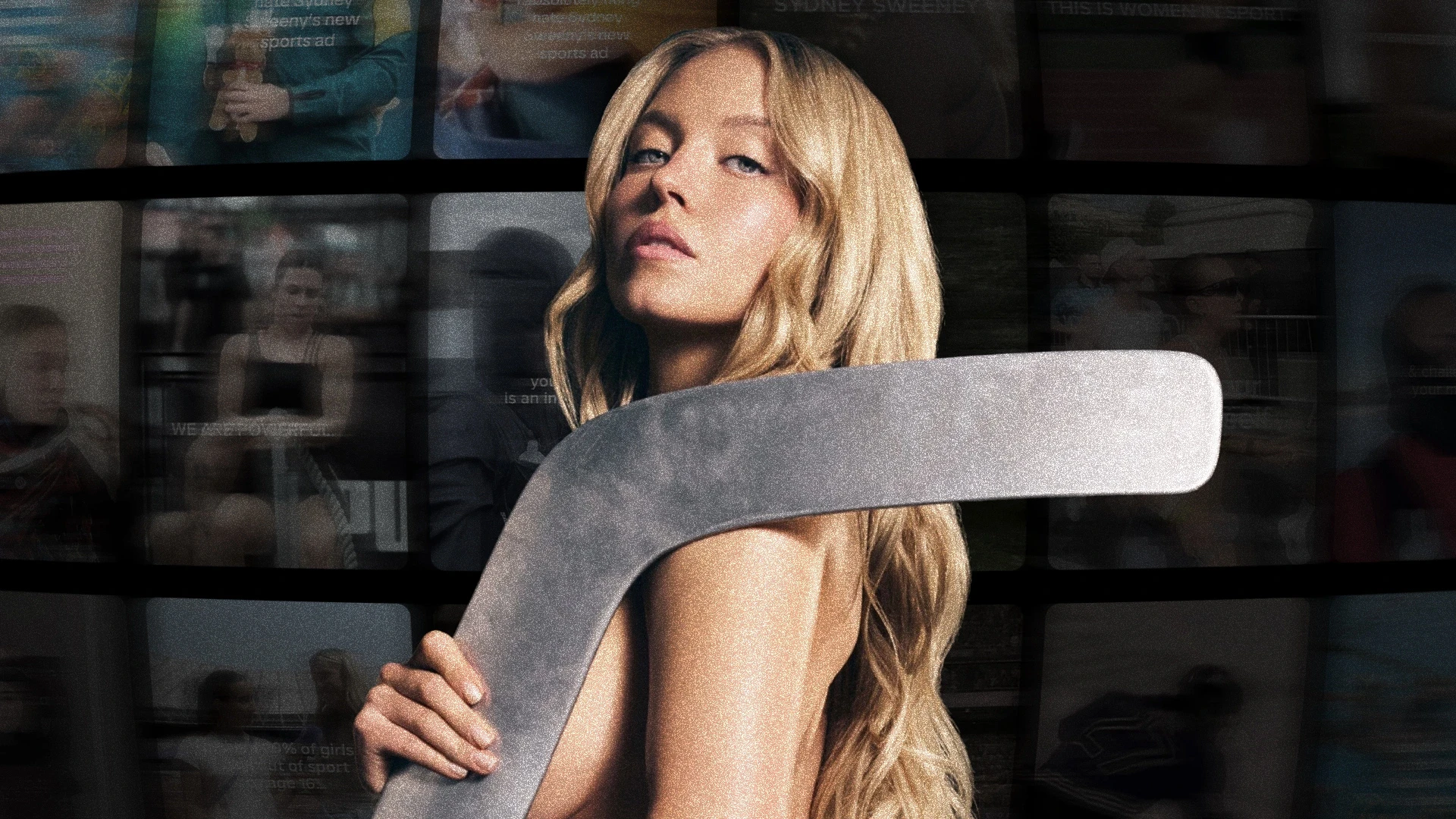
The Sydney Sweeney Novig Playbook: Why the Most Talked-About Ad of NFL Week 1 Was Also the Smartest
4 min
|
Trends
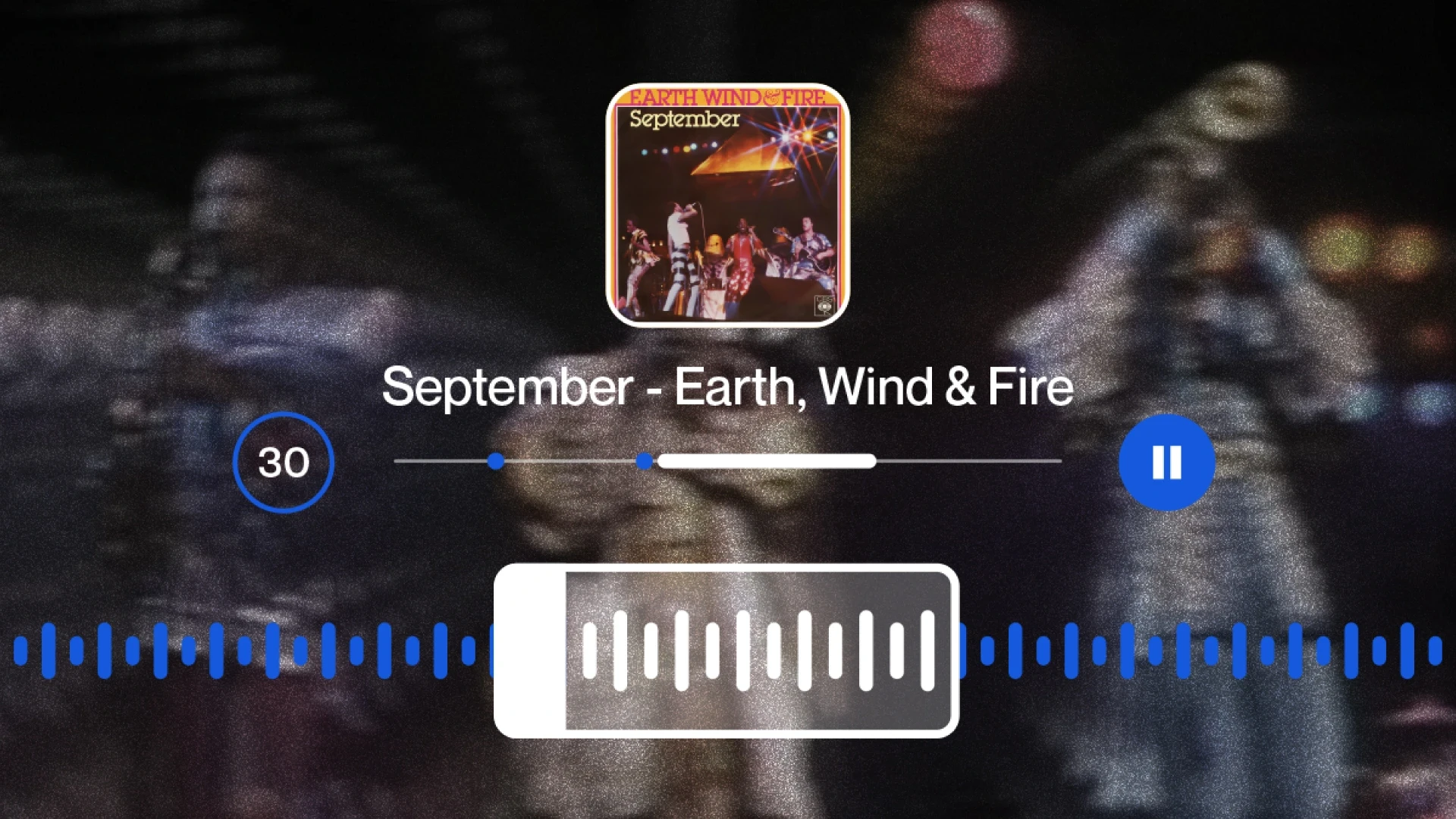
Why “September” by Earth, Wind & Fire Is the Most Viral Song on TikTok Every Year
4 min
|
Trends
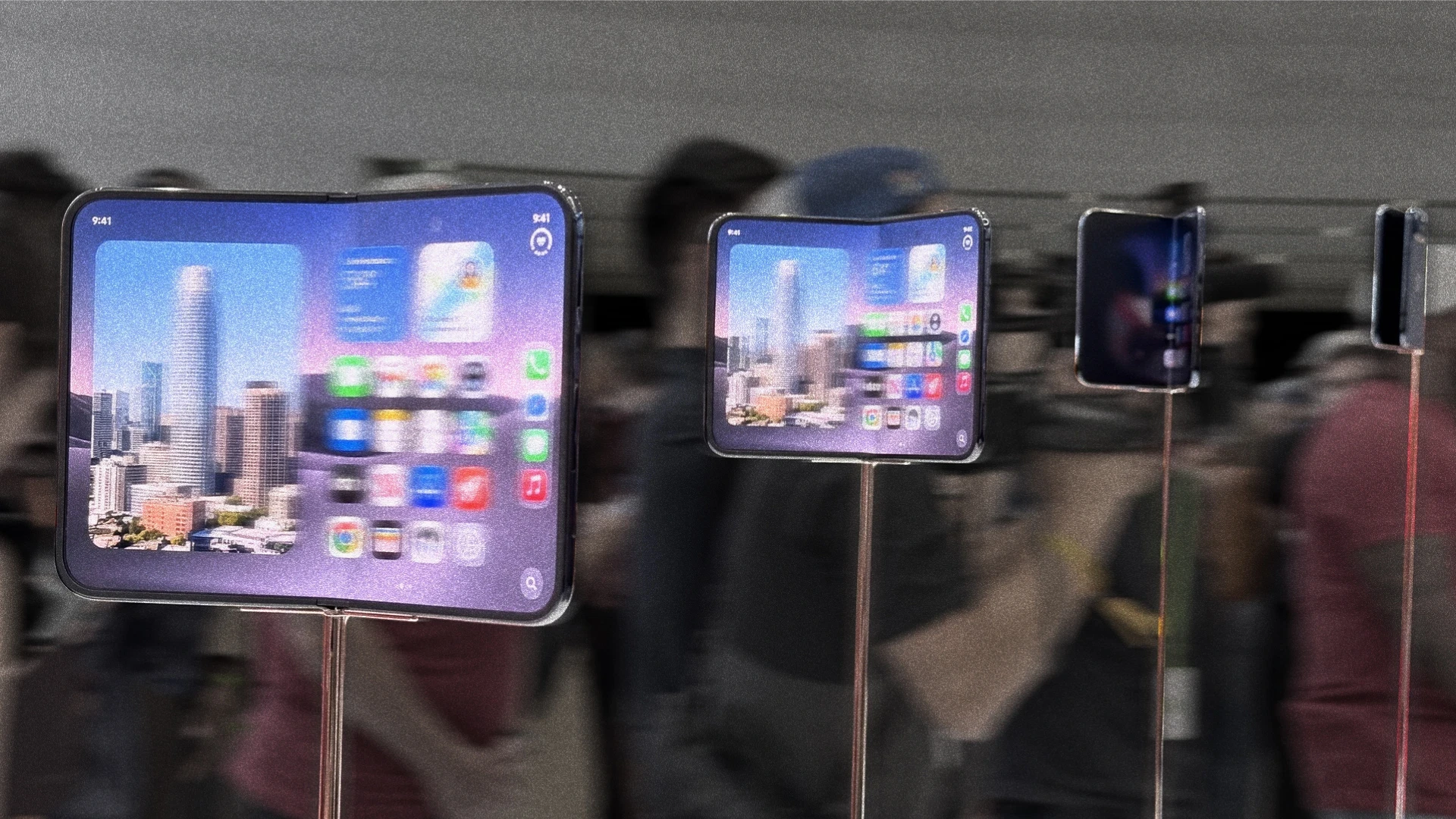
The iPhone Duo Effect: How One Product Announcement Created a UGC Wave No One Paid For
5 min
|
Trends


Need help scaling?
Book a strategy call with our expert team to audit your current UGC setup.
Related Reading
The Sydney Sweeney Novig Playbook: Why the Most Talked-About Ad of NFL Week 1 Was Also the Smartest
How Sydney Sweeney and Novig built a smarter celebrity partnership through equity, creative control, brand fit, and strategic timing.
4 min
|
Trends
The Sydney Sweeney Novig Playbook: Why the Most Talked-About Ad of NFL Week 1 Was Also the Smartest
How Sydney Sweeney and Novig built a smarter celebrity partnership through equity, creative control, brand fit, and strategic timing.
4 min
|
Trends
Why “September” by Earth, Wind & Fire Is the Most Viral Song on TikTok Every Year
Discover why Earth, Wind & Fire’s September goes viral on TikTok each year, and how brands can plan for predictable seasonal virality.
4 min
|
Trends
Why “September” by Earth, Wind & Fire Is the Most Viral Song on TikTok Every Year
Discover why Earth, Wind & Fire’s September goes viral on TikTok each year, and how brands can plan for predictable seasonal virality.
4 min
|
Trends
The iPhone Duo Effect: How One Product Announcement Created a UGC Wave No One Paid For
How Apple's iPhone Duo launch triggered an organic UGC wave and how Samsung and Duolingo turned that attention into free brand distribution.
5 min
|
Trends
The iPhone Duo Effect: How One Product Announcement Created a UGC Wave No One Paid For
How Apple's iPhone Duo launch triggered an organic UGC wave and how Samsung and Duolingo turned that attention into free brand distribution.
5 min
|
Trends