



Why Brands Are Now Paying TV-Level Prices for Creator Content
Why Brands Are Now Paying TV-Level Prices for Creator Content
Creator content is moving onto TV screens. See why brands are investing more in long-form shows, sponsorships, and paid creator amplification.
Published:

Read Time:

4 min

Written by:
Fawwaz
Trend Research and Copywriter
IS YOUTUBE A NEW WAY TO WATCH TV? OR IS IT SOMETHING ENTIRELY DIFFERENT?
YouTube has become a major entertainment platform, attracting not only viewers and creators but also television networks and streaming services. As creators produce longer shows, they increasingly compete for the same screen time and attention once dominated by traditional TV and streaming platforms.
IS YOUTUBE A NEW WAY TO WATCH TV? OR IS IT SOMETHING ENTIRELY DIFFERENT?
YouTube has become a major entertainment platform, attracting not only viewers and creators but also television networks and streaming services. As creators produce longer shows, they increasingly compete for the same screen time and attention once dominated by traditional TV and streaming platforms.
IS YOUTUBE A NEW WAY TO WATCH TV? OR IS IT SOMETHING ENTIRELY DIFFERENT?
YouTube has become a major entertainment platform, attracting not only viewers and creators but also television networks and streaming services. As creators produce longer shows, they increasingly compete for the same screen time and attention once dominated by traditional TV and streaming platforms.
Based on the data reported by TheWrap, which shows that YouTube accounted for 13.5% of total TV viewing activity in the United States in March 2026. YouTube CEO Neal Mohan even referred to creators as the platform’s “new stars and studios.” With a strategy increasingly focused on creators ranging from Shorts to full-length videos, YouTube is no longer just a video platform. It is increasingly resembling an entertainment network, and this shift is prompting brands to rethink the types of content they should fund.
Creator Content Is Getting Longer
For years, conversations about creator marketing have been dominated by short-form videos. From TikTok to Reels to Shorts, these platforms generally feature clips no longer than one minute.
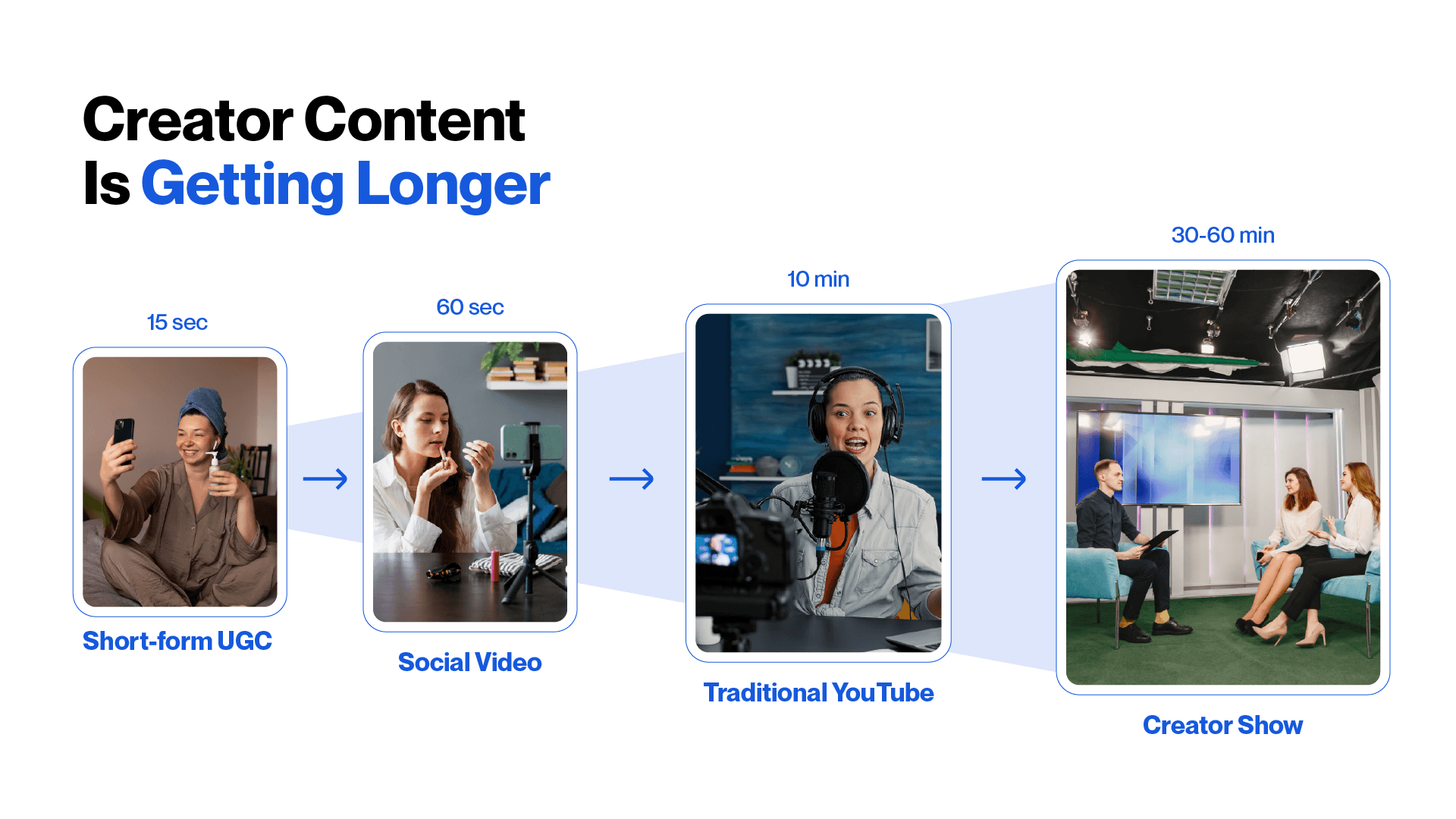
These formats remain highly valuable, especially for performance-based marketing and rapid testing of creative content. However, another segment of the creator economy has been growing alongside them. In the first quarter of 2026, creators in the U.S. uploaded 6.6 million YouTube videos with a minimum duration of 20 minutes, according to data from Tubular Labs cited by eMarketer. This figure represents a 54.5% increase from three years prior, when the number was around 4.3 million.
The duration of these videos has also become significantly longer than usual. Of the videos uploaded with a minimum duration of 20 minutes, 80.3% were at least 30 minutes long. More than two-thirds reached a duration of 40 minutes. At this point, referring to all creator content as “social videos” is starting to feel inaccurate, as a creator’s 45-minute weekly series has more in common with a television show than with a product demonstration on TikTok.
Why TV Screens Change the Value of Creator Content
The type of screen is a key factor because it affects how people enjoy videos. Someone watching a 20-minute creator video on their phone while commuting is still consuming content in the same way they would on social media. Conversely, when a 45-minute video is played on the TV in the living room after dinner, the behavior is more similar to that of a conventional TV viewer.

eMarketer projects that more than 180 million Americans will watch YouTube via connected TV by 2026, or about 70.9% of the total YouTube audience in the U.S. This shift gives creators of long-form content the opportunity to offer something that brands have traditionally had to pay dearly for: more focused and sustained attention on the largest screen in the home.
The scope for integration has also become much broader. While a 20-second UGC video might only be enough for a single product demonstration and call-to-action, a 40-minute show can feature sponsored segments, recurring integrations, product placement throughout the episode, and even partnerships spanning an entire series.
Creator Show Model
Creator | Owns the format and audience |
Brand | Funds or sponsors the series |
Audience | Returns for the creator |
Product | Becomes part of the show |
This is particularly valuable for products that benefit from explanation, repeated exposure, or lifestyle association because a product can appear repeatedly without requiring every appearance to become a standalone advertisement.
The Bigger Change Is Happening After the Creator Posts
Advertisers in the U.S. are projected to spend $43.9 billion on creator-based marketing by 2026, according to IAB data cited by Digiday.
However, 55% of those funds are expected to be allocated to ads that expand the reach of creators’ content, rather than simply paying creators to create and publish that content. This shifts the economic dynamics of deals with creators, who were originally paid so that brands could reach their audiences toward being paid to create assets that can reach a much wider audience through media.
Creators’ organic posts serve as the starting point. If they perform well, brands can amplify them through paid distribution, and that’s what makes licensing rights far more important.
Turn Winning Creator Content Into Paid Media
Imagine a creator producing five videos for a brand, with four of them performing at an average level while one video shows exceptional performance. This single video naturally drives higher retention, generates more comments and clicks, and leads to stronger conversions.
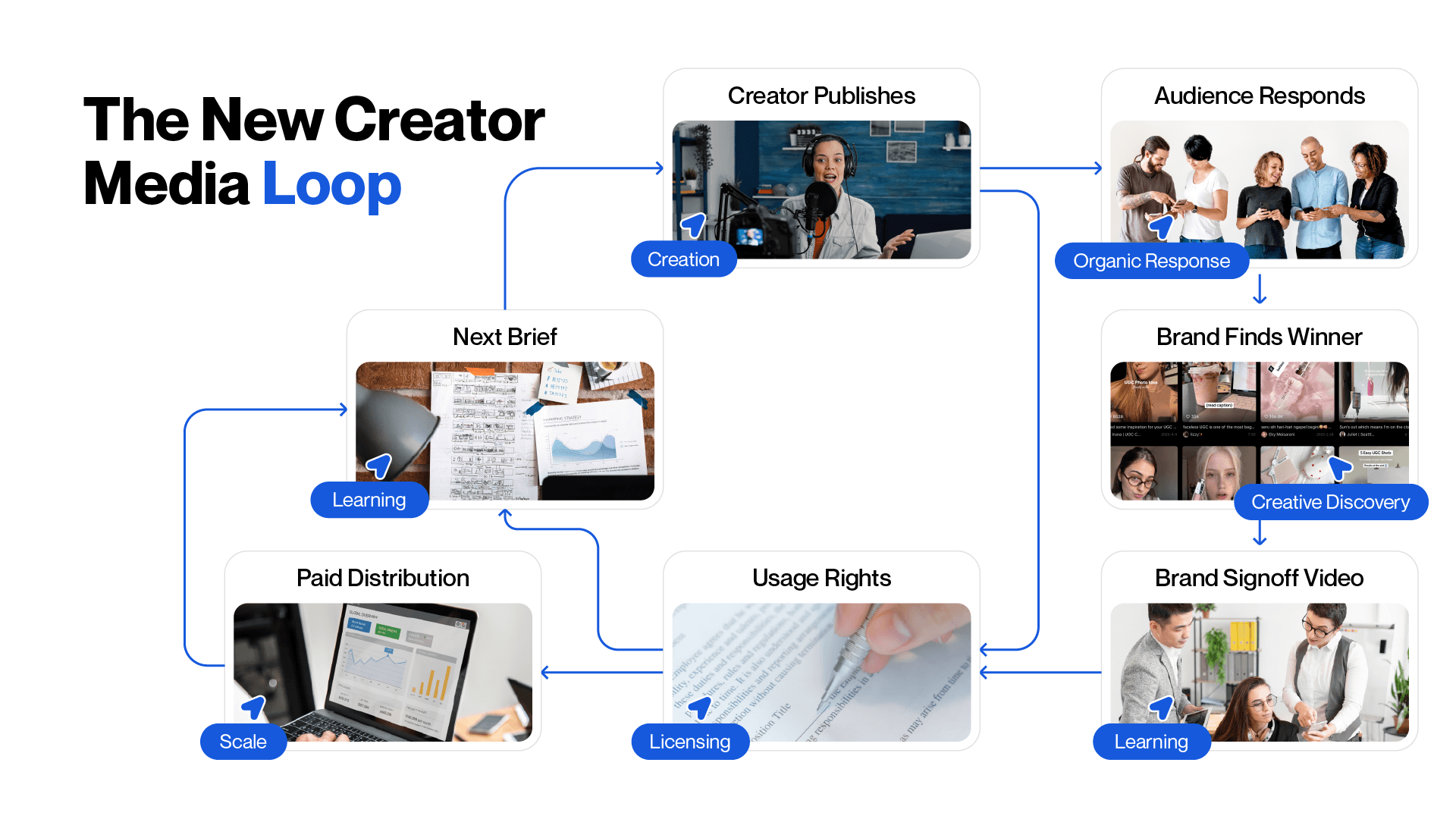
The brand already has proof and understands that the audience responds to this creative content. So instead of immediately commissioning new content, the brand can negotiate the rights to expand the reach of that standout content through paid media. This is known as the rights-of-use amplification model.
Digiday reports that usage rights have become commonplace, creator representatives estimate that these rights appear in more than 90% of the deals they handle. Andrew Perlman, CEO of Recurrent Ventures, told Digiday that 100% of his company’s current deals include some form of usage rights. These rights can cover a much broader scope than simply boosting Instagram posts.
Creators’ content now serves a dual role as both talent and creative assets and is increasingly distributed through social media ads, streaming platforms, traditional TV, brand-owned channels, and even physical retail stores.
These Two Models Solve Different Problems
Creator shows and usage-rights amplification should not be treated as interchangeable.
Model | Best For | Brand Is Buying |
Creator Show Sponsorship | Brand building, trust, education | Sustained audience attention |
Usage Rights Amplification | Performance and scale | Proven creator creative |
Short-Form UGC | Testing, conversion, rapid iteration | High-volume creative assets |
A new productivity app brand might still get the best results from dozens of short UGC videos to test its product’s appeal, while a car brand looking to build deeper relationships with automotive creators might get more value from repeatedly sponsoring YouTube series. On the other hand, a DTC brand that discovers a single creator video with high conversion rates might be better off allocating its budget to strengthen that asset.
So here we can see that the objective determines the format. The shift toward long-form creator content doesn’t mean the end of short UGC. Rather, the two simply serve different functions.
What This Changes About Creator Budgets
Brands entering creator marketing in 2026 should think beyond the creator's posting fee since there are now several potential costs attached to the same partnership:
Production fee | What does it cost the creator to make the content? |
Audience access | What is the value of publishing to the creator's existing audience? |
Usage rights | Where can the brand redistribute the content and for how long? |
Paid amplification | How much media spend will be placed behind the content? |
Series commitment | Is this one video or an ongoing format? |
This is much closer to the concept of media planning than the old model, which simply paid creators a one-time fee to upload a sponsored video. That’s why partnerships with creators can now command contract values on par with television standards, because brands may actually be buying more than just a single post. They could be purchasing production, access to an audience, intellectual property, licensing rights, and distribution that can last for months.
A Simple Framework Before Spending More
A brand considering a larger creator investment should answer three questions.
1. Does this creator have a repeatable format?
Don’t just focus on the number of subscribers, instead, try to find out if the audience keeps coming back to watch a series or a specific type of video with distinctive characteristics.
This is important because creators with a strong, consistent schedule may offer higher sponsorship value than larger creators whose view counts rely heavily on incidental viral content.
2. Does the content deserve amplification?
Don’t assume that every sponsored video from a creator must be turned into an ad. Whenever possible, let organic performance provide initial insights first.
If a piece of creative content proves to generate better watch time, engagement, or conversions, then that content becomes a stronger candidate for additional media budget allocation.
3. What rights does the brand actually need?
A brand planning to run content for six months across social media ads and Connected TV requires a different agreement than a brand that only wants a single organic integration on YouTube.
Usage rights must reflect these differences, as there is currently no universal standard for such agreements. Some usage rights are calculated based on a 30-day period, while other creators negotiate compensation as a percentage of the paid media budget.
Creator Content Is Becoming Media Inventory
The biggest shift in creator marketing may be how brands value creator content. A single video can now become an organic post, paid ad, CTV placement, streaming ad, or part of a recurring series. At the same time, long-form creators are producing 20 to 40-minute shows, making the line between creator marketing and traditional media increasingly blurred.

Short-form UGC remains valuable for creative volume, testing, and social ads, while long-form works better for deeper attention and repeated exposure. Paid amplification connects both by giving proven creator content more reach. For Masterhooks, this makes creative strategy even more important: brands need to know which ideas to scale, which creators can sustain them, and which assets are worth amplifying. Ultimately, the goal is simple: make something people want to watch before paying to make more people see it.
Scale your brand presence with YouTube content creators now!
Scale your brand presence with YouTube content creators now!
Based on the data reported by TheWrap, which shows that YouTube accounted for 13.5% of total TV viewing activity in the United States in March 2026. YouTube CEO Neal Mohan even referred to creators as the platform’s “new stars and studios.” With a strategy increasingly focused on creators ranging from Shorts to full-length videos, YouTube is no longer just a video platform. It is increasingly resembling an entertainment network, and this shift is prompting brands to rethink the types of content they should fund.
Creator Content Is Getting Longer
For years, conversations about creator marketing have been dominated by short-form videos. From TikTok to Reels to Shorts, these platforms generally feature clips no longer than one minute.
These formats remain highly valuable, especially for performance-based marketing and rapid testing of creative content. However, another segment of the creator economy has been growing alongside them. In the first quarter of 2026, creators in the U.S. uploaded 6.6 million YouTube videos with a minimum duration of 20 minutes, according to data from Tubular Labs cited by eMarketer. This figure represents a 54.5% increase from three years prior, when the number was around 4.3 million.
The duration of these videos has also become significantly longer than usual. Of the videos uploaded with a minimum duration of 20 minutes, 80.3% were at least 30 minutes long. More than two-thirds reached a duration of 40 minutes. At this point, referring to all creator content as “social videos” is starting to feel inaccurate, as a creator’s 45-minute weekly series has more in common with a television show than with a product demonstration on TikTok.
Why TV Screens Change the Value of Creator Content
The type of screen is a key factor because it affects how people enjoy videos. Someone watching a 20-minute creator video on their phone while commuting is still consuming content in the same way they would on social media. Conversely, when a 45-minute video is played on the TV in the living room after dinner, the behavior is more similar to that of a conventional TV viewer.
eMarketer projects that more than 180 million Americans will watch YouTube via connected TV by 2026, or about 70.9% of the total YouTube audience in the U.S. This shift gives creators of long-form content the opportunity to offer something that brands have traditionally had to pay dearly for: more focused and sustained attention on the largest screen in the home.
The scope for integration has also become much broader. While a 20-second UGC video might only be enough for a single product demonstration and call-to-action, a 40-minute show can feature sponsored segments, recurring integrations, product placement throughout the episode, and even partnerships spanning an entire series.
Creator Show Model
Creator | Owns the format and audience |
Brand | Funds or sponsors the series |
Audience | Returns for the creator |
Product | Becomes part of the show |
This is particularly valuable for products that benefit from explanation, repeated exposure, or lifestyle association because a product can appear repeatedly without requiring every appearance to become a standalone advertisement.
The Bigger Change Is Happening After the Creator Posts
Advertisers in the U.S. are projected to spend $43.9 billion on creator-based marketing by 2026, according to IAB data cited by Digiday.
However, 55% of those funds are expected to be allocated to ads that expand the reach of creators’ content, rather than simply paying creators to create and publish that content. This shifts the economic dynamics of deals with creators, who were originally paid so that brands could reach their audiences toward being paid to create assets that can reach a much wider audience through media.
Creators’ organic posts serve as the starting point. If they perform well, brands can amplify them through paid distribution, and that’s what makes licensing rights far more important.
Turn Winning Creator Content Into Paid Media
Imagine a creator producing five videos for a brand, with four of them performing at an average level while one video shows exceptional performance. This single video naturally drives higher retention, generates more comments and clicks, and leads to stronger conversions.
The brand already has proof and understands that the audience responds to this creative content. So instead of immediately commissioning new content, the brand can negotiate the rights to expand the reach of that standout content through paid media. This is known as the rights-of-use amplification model.
Digiday reports that usage rights have become commonplace, creator representatives estimate that these rights appear in more than 90% of the deals they handle. Andrew Perlman, CEO of Recurrent Ventures, told Digiday that 100% of his company’s current deals include some form of usage rights. These rights can cover a much broader scope than simply boosting Instagram posts.
Creators’ content now serves a dual role as both talent and creative assets and is increasingly distributed through social media ads, streaming platforms, traditional TV, brand-owned channels, and even physical retail stores.
These Two Models Solve Different Problems
Creator shows and usage-rights amplification should not be treated as interchangeable.
Model | Best For | Brand Is Buying |
Creator Show Sponsorship | Brand building, trust, education | Sustained audience attention |
Usage Rights Amplification | Performance and scale | Proven creator creative |
Short-Form UGC | Testing, conversion, rapid iteration | High-volume creative assets |
A new productivity app brand might still get the best results from dozens of short UGC videos to test its product’s appeal, while a car brand looking to build deeper relationships with automotive creators might get more value from repeatedly sponsoring YouTube series. On the other hand, a DTC brand that discovers a single creator video with high conversion rates might be better off allocating its budget to strengthen that asset.
So here we can see that the objective determines the format. The shift toward long-form creator content doesn’t mean the end of short UGC. Rather, the two simply serve different functions.
What This Changes About Creator Budgets
Brands entering creator marketing in 2026 should think beyond the creator's posting fee since there are now several potential costs attached to the same partnership:
Production fee | What does it cost the creator to make the content? |
Audience access | What is the value of publishing to the creator's existing audience? |
Usage rights | Where can the brand redistribute the content and for how long? |
Paid amplification | How much media spend will be placed behind the content? |
Series commitment | Is this one video or an ongoing format? |
This is much closer to the concept of media planning than the old model, which simply paid creators a one-time fee to upload a sponsored video. That’s why partnerships with creators can now command contract values on par with television standards, because brands may actually be buying more than just a single post. They could be purchasing production, access to an audience, intellectual property, licensing rights, and distribution that can last for months.
A Simple Framework Before Spending More
A brand considering a larger creator investment should answer three questions.
1. Does this creator have a repeatable format?
Don’t just focus on the number of subscribers, instead, try to find out if the audience keeps coming back to watch a series or a specific type of video with distinctive characteristics.
This is important because creators with a strong, consistent schedule may offer higher sponsorship value than larger creators whose view counts rely heavily on incidental viral content.
2. Does the content deserve amplification?
Don’t assume that every sponsored video from a creator must be turned into an ad. Whenever possible, let organic performance provide initial insights first.
If a piece of creative content proves to generate better watch time, engagement, or conversions, then that content becomes a stronger candidate for additional media budget allocation.
3. What rights does the brand actually need?
A brand planning to run content for six months across social media ads and Connected TV requires a different agreement than a brand that only wants a single organic integration on YouTube.
Usage rights must reflect these differences, as there is currently no universal standard for such agreements. Some usage rights are calculated based on a 30-day period, while other creators negotiate compensation as a percentage of the paid media budget.
Creator Content Is Becoming Media Inventory
The biggest shift in creator marketing may be how brands value creator content. A single video can now become an organic post, paid ad, CTV placement, streaming ad, or part of a recurring series. At the same time, long-form creators are producing 20 to 40-minute shows, making the line between creator marketing and traditional media increasingly blurred.
Short-form UGC remains valuable for creative volume, testing, and social ads, while long-form works better for deeper attention and repeated exposure. Paid amplification connects both by giving proven creator content more reach. For Masterhooks, this makes creative strategy even more important: brands need to know which ideas to scale, which creators can sustain them, and which assets are worth amplifying. Ultimately, the goal is simple: make something people want to watch before paying to make more people see it.
Scale your brand presence with YouTube content creators now!
Related Reading
Related Reading
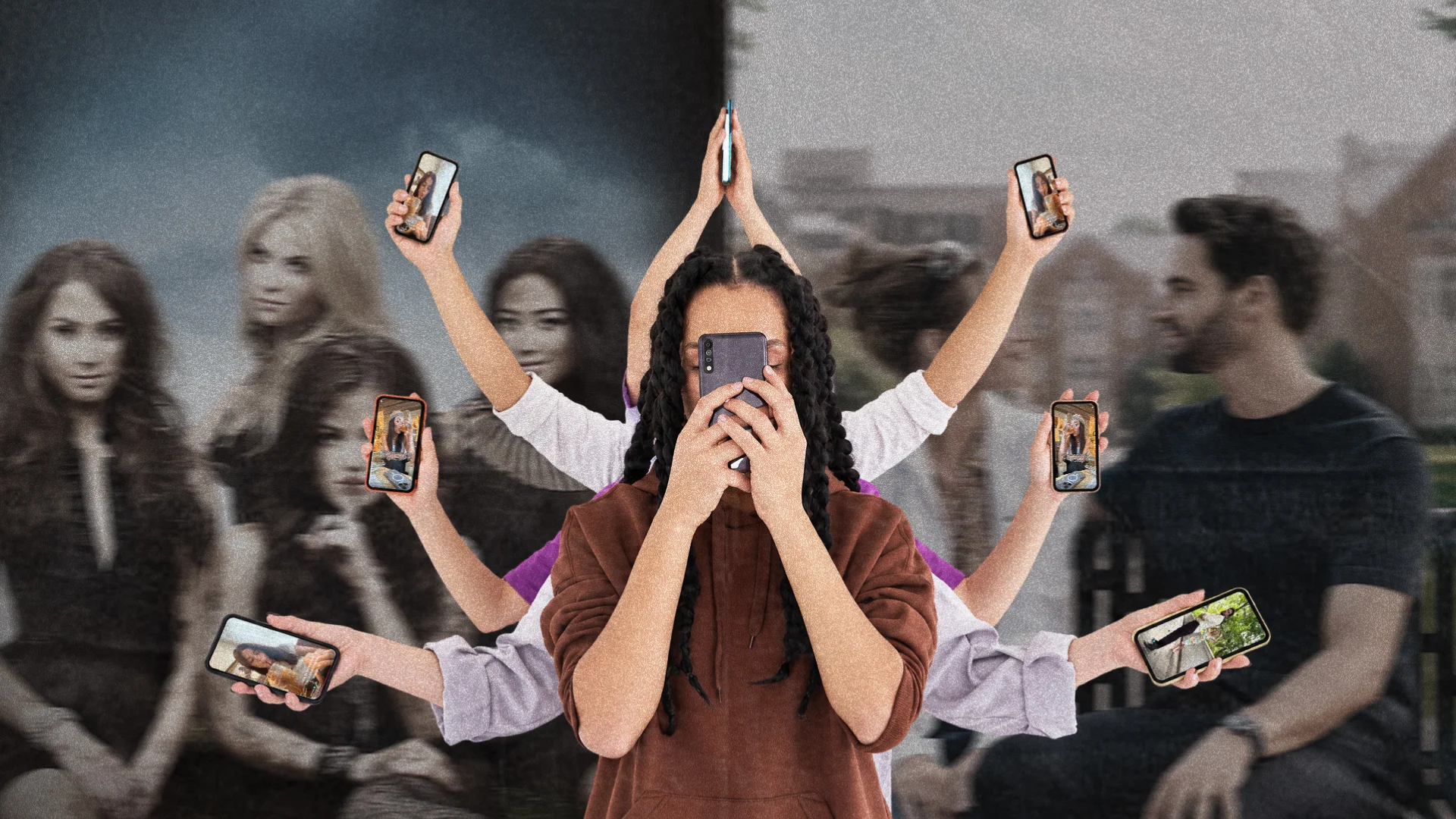
Why Pretty Little Liars and The Love Hypothesis Are Going Viral in the Same Week
5 min
|
Why Pretty Little Liars and The Love Hypothesis Are Going Viral in the Same Week
Learn how Pretty Little Liars and The Love Hypothesis turn fans into engines for fan-generated content, and what brands can learn about community-led growth.
5 min
|

What Is a Content Pillar? (And How to Build One That Actually Works for UGC)
4 min
|
What Is a Content Pillar? (And How to Build One That Actually Works for UGC)
Learn what a content pillar is, why it matters for UGC, and how to build a practical content pillar strategy with creator briefs and real examples.
4 min
|

First Day of Fall, First Day of Content: The UGC Formats That Win in October
4 min
|
First Day of Fall, First Day of Content: The UGC Formats That Win in October
Discover five October UGC formats brands can use this fall, from seasonal transitions and cozy routines to Halloween teasers and reset content.
4 min
|


Need help scaling?
Book a strategy call with our expert team to audit your current UGC setup.

